

Hard cider and beer are easy to put in the same mental category. Both arrive cold, can sparkle in the glass, work beautifully with food, and make a taproom table feel more relaxed. But they start from different raw ingredients, and that one difference shapes nearly everything you notice: aroma, sweetness, bitterness, body, and the sort of meal each drink flatters.
The short answer is simple. Beer is brewed from grain, while hard cider is fermented from apple juice. The useful answer is a little more fun. Once you know what each drink is trying to do, choosing between them gets much easier. You can pick a crisp cider when you want bright fruit and a clean finish, or a beer when you want malt, hops, toast, citrus, roast, or any of the many directions grain can take.
The biggest difference is where the fermentable sugar comes from
Beer begins with grain, usually barley. The grain is malted, then brewed to make a sweet liquid that yeast can ferment. Hops may bring bitterness, citrus, pine, herbs, flowers, or spice, while malt can bring bread, biscuit, caramel, toast, cocoa, or coffee. The U.S. Alcohol and Tobacco Tax and Trade Bureau’s beer definitions describe malt beverages as fermented drinks made from malted barley and hops, which helps explain why those two ingredients are so central to the familiar beer profile.
Hard cider starts with apples. The fruit’s natural sugar is already in the juice, so fermentation turns that apple character into alcohol without the grain-brewing step. In general, the TTB describes cider and hard cider as wine fermented from apples, including apple juice or concentrate, in its cider guidance. That does not mean every cider tastes like a glass of apple juice. Fermentation can make a cider dry, tart, earthy, floral, tannic, sparkling, or quietly savory.
Both drinks depend on fermentation, and both can be made with real care. The distinction is not about one being more serious than the other. It is about the source material. Apples lead a cider toward fruit, acidity, and tannin. Grain, malt, hops, and brewing choices give beer a far wider range of malt and hop character.
Flavor: fruit and acidity versus malt and hops
When people say cider tastes sweet, they are usually remembering a particular style, not describing every cider. Apple aroma is common, but the feel of a cider can run from juicy and off-dry to bone-dry and wine-like. A dry cider may finish with a bright snap, a light tannic grip, or a little orchard-skin bitterness. A sweeter cider may show baked apple, pear, honey, or a rounded fruit note. Carbonation can make either one feel especially refreshing.
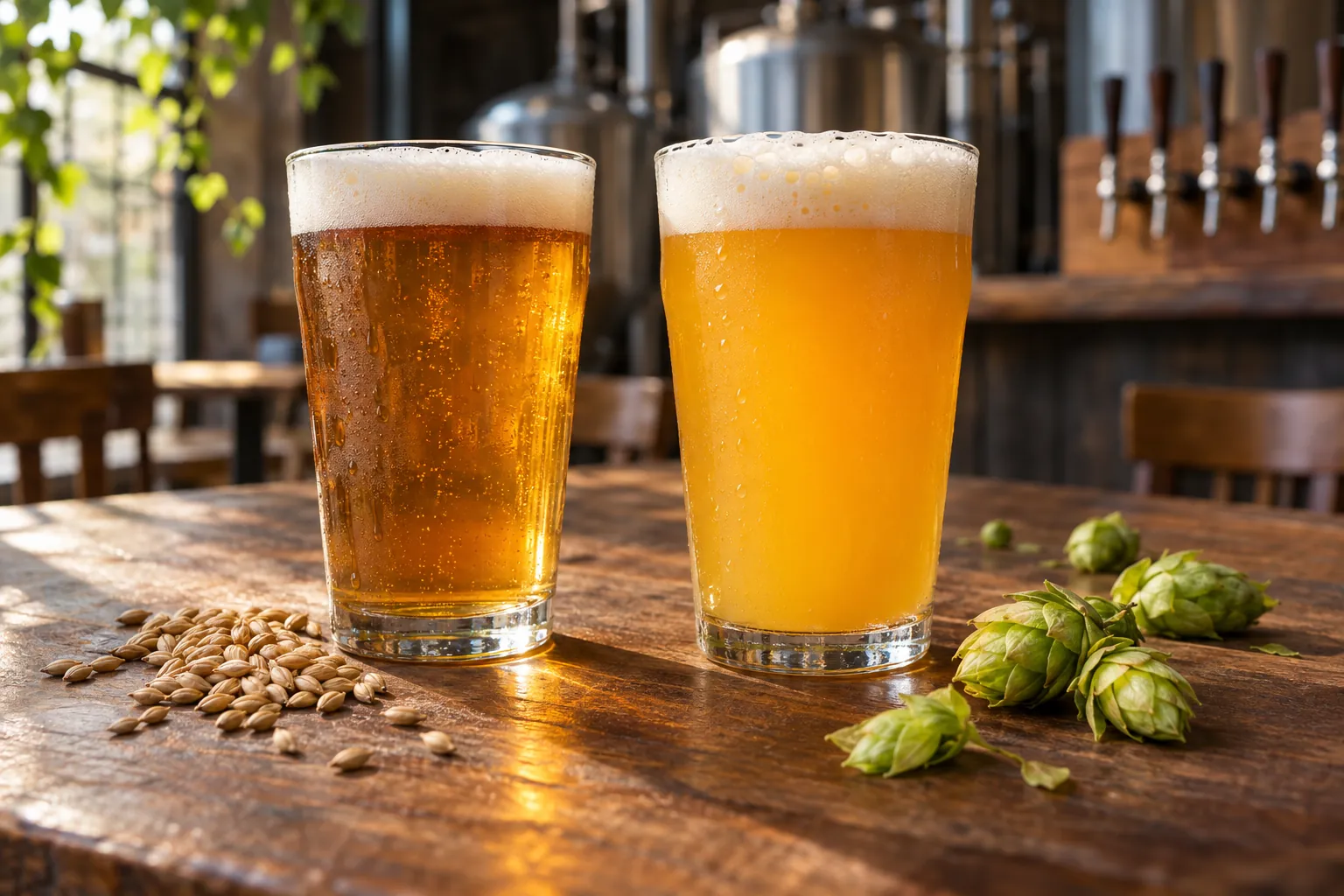
Beer also covers a lot of ground. A pale lager can be crisp and bready. A pale ale can be citrusy and lightly bitter. An IPA may make hops the main event, while a stout can lean into cocoa, coffee, roast, and creaminess. If you are still figuring out that vocabulary, start with what beer tastes like rather than worrying about getting every word right. You only need enough language to notice what you would happily order again.
A useful shortcut is to decide what you want the first sip to do. Choose cider when an apple-led, tart, fruit-forward, or sparkling profile sounds inviting. Choose beer when you are in the mood for malt, bread, roast, or hop character. Neither choice locks you into a single flavor. It just gives the menu a better starting point.
Sweetness and bitterness are not the same thing
Sweetness is a flavor sensation from sugar. Bitterness is a different sensation, often associated with hops in beer. They can balance one another, but they should not be treated as opposites. A cider may have obvious apple sweetness and no hop bitterness at all. A dry cider may have very little sweetness yet still feel full of fruit. A beer may have noticeable bitterness without being harsh, especially when malt or a fuller body balances it.
This is why a label or menu description matters more than the color in the glass. A pale cider can be dry, and an amber beer can be sweet-leaning. If you prefer a clean finish, ask for a dry or crisp cider, or for a lower-bitterness beer such as a lager or a malt-forward amber. If you want an aromatic beer without a punishing finish, our pale ale versus IPA guide can help you find the gentler middle ground.
For a first comparison, take one small sip of each and pause. Notice whether the cider’s fruit character reads as fresh, baked, tart, or dry. Then notice whether the beer leans bready, toasty, citrusy, herbal, roasty, or bitter. You are not picking a winner. You are discovering which kind of balance fits the moment.
Alcohol strength, calories, and gluten: check the actual pour
It is tempting to assume cider is lighter than beer, or that beer is always stronger. Neither assumption holds up. A light lager, a session IPA, a dry cider, a barrel-aged stout, and a stronger specialty cider can all land at very different alcohol levels. The number that matters is the alcohol by volume listed for the specific pour. If you are planning a longer afternoon, choose a strength you can enjoy slowly, have water alongside it, and do not treat a fruit-forward drink as automatically low-alcohol.
Calories, carbohydrates, and sweetness also vary by recipe and serving size. A sweeter cider may retain more sugar than a dry one, while a richer or stronger beer may bring more calories through alcohol and malt. There is no responsible one-line rule that sorts every cider and beer into a “lighter” or “heavier” box. If nutrition or dietary needs matter to you, look for the current producer information rather than relying on style alone.
Cider made from apples does not contain gluten, so it can be a natural alternative for many people avoiding gluten. But ingredient lists, flavor additions, and production practices vary. Anyone with celiac disease or an allergy should confirm the current product details directly with the producer. Beer can also be brewed without gluten-containing grains, but that is a separate category, not something to assume from the word beer.
Match the pour to the food, weather, and pace of the day
Cider often feels especially at home next to salty, rich, or gently spicy food. Its fruit, acidity, and bubbles can refresh the palate between bites of fried chicken, a burger, pork, sharp cheese, or a charcuterie board. A dry cider can also be a lovely partner for a salad, seafood, or anything with a little heat. The goal is contrast: let the cider cut through richness, or let its fruit echo something bright on the plate.
Beer gives you a broader set of pairing tools. Crisp lagers work well with simple, lightly seasoned food. Malt-forward beers can meet grilled meat, bread, and caramelized flavors. Hop-forward beers can play nicely with rich or spicy dishes when you enjoy bitterness. Dark beer can sit comfortably with chocolate, coffee notes, barbecue, or a hearty meal. Stable Craft’s brewery food guide offers a useful way to think about choosing a meal that makes the whole stop feel worthwhile.
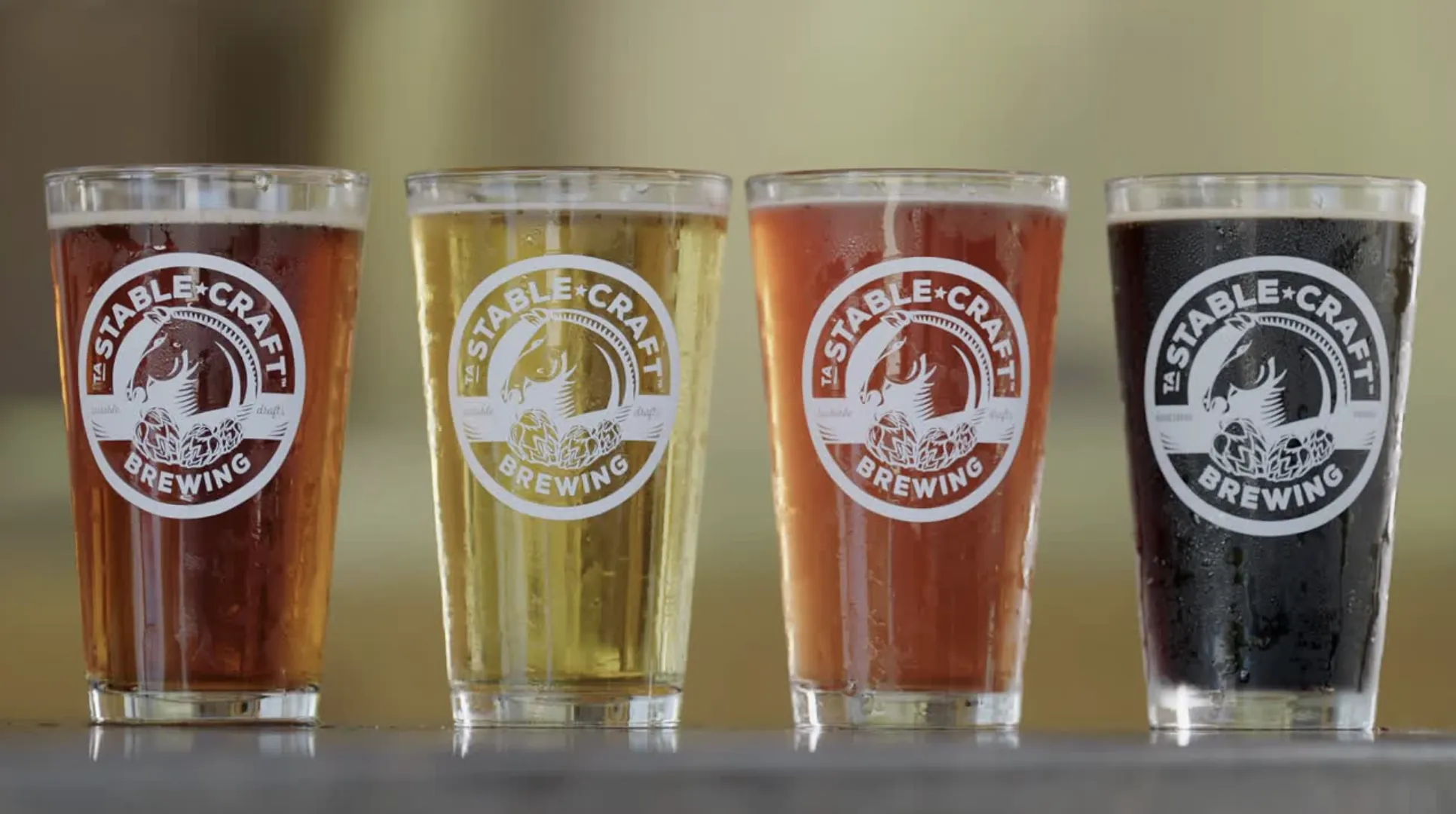
Weather and pace matter, too. A sparkling cider can feel perfect when you are sitting outside, sharing a few snacks, or looking for a change from beer. A tasting flight can be the better choice when you are curious and want to compare more than one style. Our cider tasting guide and beer flight guide both start from the same good habit: taste slowly, drink water, and choose the next pour based on what you actually enjoyed.
How to choose when the menu is new
Start with an honest preference, not a style rule. If you normally reach for sparkling wine, tart fruit, lemonade, or a crisp cocktail, a dry or off-dry cider may be a comfortable first move. If you like fresh bread, toast, citrus peel, coffee, chocolate, or grapefruit, beer gives you plenty to explore. If you do not enjoy bitterness, say that plainly. If you want something dry, say that too. A good recommendation begins with what you want to avoid as much as what you hope to find.
Then choose a small commitment. A sample or a flight is helpful when your curiosity is bigger than your certainty. Begin with a crisp cider or lighter beer before moving toward bigger, sweeter, hoppier, darker, or stronger pours. Keep a little water nearby. If food is part of the plan, consider ordering before your second choice. A drink that feels one way on its own may open up beside a meal.
At Stable Craft, you can check the current tap list before heading over, then make a day of it with the food and drink options. The best first pour is not the most technical one. It is the one that makes you want another relaxed sip, a good bite of food, and a little more time at the table.
A quick cider-or-beer checklist
- Want apple, sparkle, and bright acidity? Start with cider.
- Want malt, hops, toast, roast, or bitterness? Start with beer.
- Prefer dry? Ask for a dry cider or a crisp, lower-bitterness beer.
- Unsure? Order a sample or flight and compare at an easy pace.
- Check the alcohol percentage, drink water, and pick a ride home before the first round.
Frequently asked questions
Is hard cider beer?
No. Both are fermented alcoholic drinks, but beer is made from malted grain and cider is made by fermenting apple juice. They can share a taproom, but their ingredients and flavor paths are different.
Is hard cider always sweet?
No. Cider ranges from sweet to very dry. A dry cider can feel crisp and tart with little obvious sweetness, while a sweeter cider may lean toward ripe apple, honey, or fruit-candy notes. Ask about the finish, not just the fruit on the label.
Does hard cider have gluten?
Cider made only from apples is generally gluten-free because apples contain no gluten. Recipes and production practices can vary, though, so anyone with celiac disease or a serious allergy should check the producer’s current ingredient and allergen information before ordering.
Which is stronger, cider or beer?
Neither is automatically stronger. Both cider and beer can range from lower-strength, easy-drinking pours to much stronger styles. Check the alcohol percentage on the menu and choose the size and pace that work for you.
Keep planning
Related posts

Brewery guide
Breweries With Party Rooms: How to Choose One
What to look for in a brewery party room, from the guest count and food to privacy, timing, and an easy plan for every guest.→
Brewery guide
Brewery Games: Easy Ways to Make a Group Visit Fun
Plan a better brewery game day with low-pressure activities, a comfortable pace, and room for everyone to enjoy the visit.→Brewery guide
Brewery First Date: Plan a Relaxed First Date
Plan an easy brewery first date with the right timing, a comfortable table, real options for both people, and a clear ride-home plan.→
Brewery guide
