A beer tasting flight is one of the easiest ways to make a first brewery visit feel comfortable. Instead of committing to a full pint before you know what is on tap, you can try a few small pours side by side and notice what actually suits your taste.
You do not need a trained palate or a notebook full of beer terms. A little curiosity, water, food, and a sensible order are enough. Use this guide to build a flight that is fun to drink, easy to remember, and useful when it is time to choose your favorite.
Start with the kind of experience you want
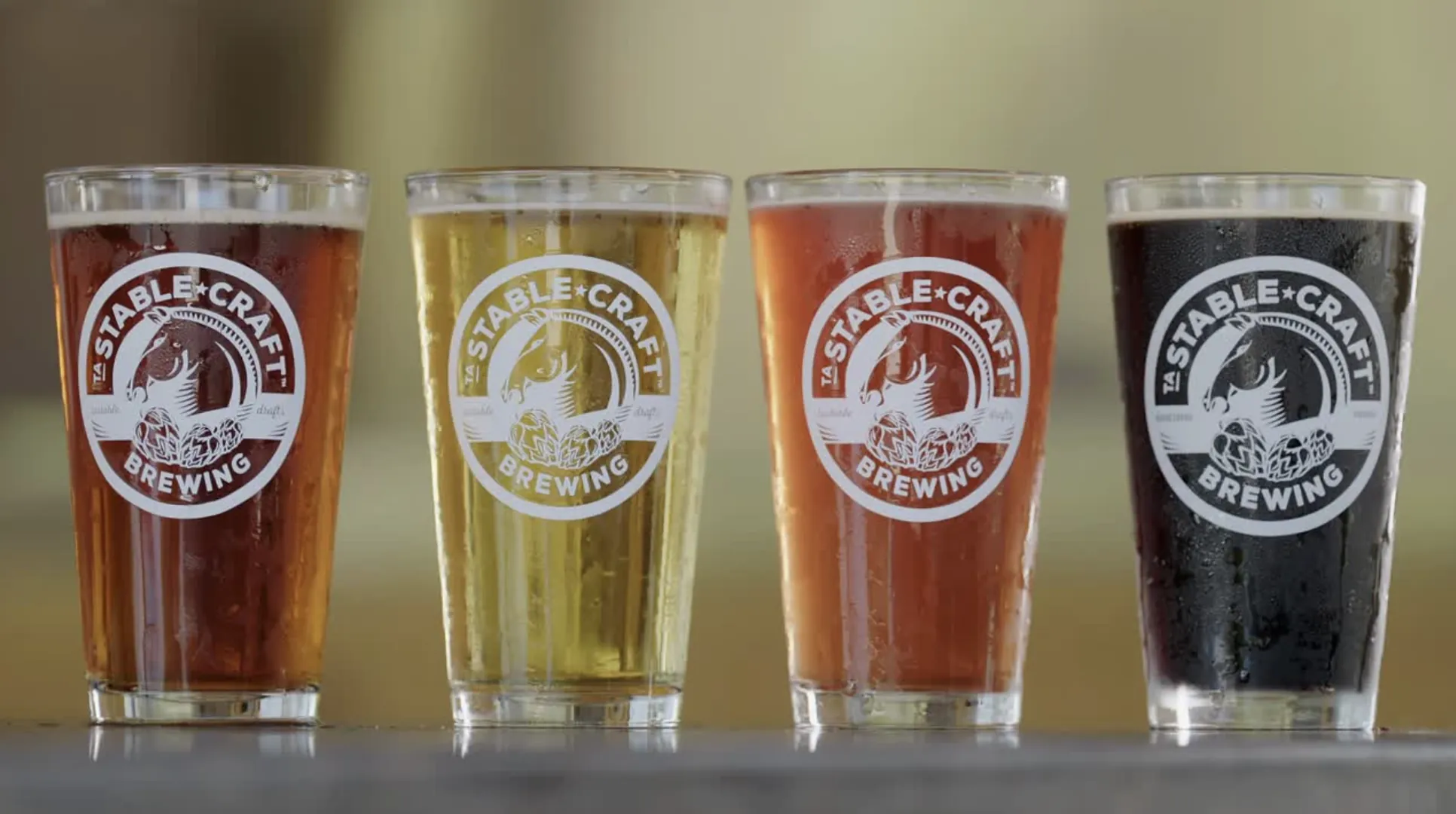
Before choosing samples, decide what you want the flight to do. A first-time visitor might want a broad introduction: something crisp, something malty, something hop-forward, and a seasonal or specialty pour. That kind of lineup quickly shows how different beer styles can feel in the glass.
If you already know your preferences, a focused comparison can be just as useful. Try a few lighter beers, a few IPAs, or a pair of familiar styles alongside one wild card. The point is not to prove how adventurous you are. It is to make the comparison clear enough that you can say, “I would happily have a full glass of that.”

Ask the person serving you what is tasting especially good that day and whether any pours are better saved for the end. They know the current list, the flavor differences, and any samples that are not available in a flight. A direct question gives you a better starting point than trying to decode every style name alone.
Choose contrast, not a random collection
A useful beer tasting flight has enough contrast to teach you something. If every glass is very similar, the differences may be so subtle that the tray feels more confusing than helpful. If every glass is intense, the flavors can pile up before you have had a chance to enjoy any of them.
For a balanced first flight, consider one clean and easy-drinking beer, one malt-forward or amber-style option, one hoppy beer, and one darker, fruit-forward, or seasonal pour. It is only a starting point. A cider or craft soda can be a smart choice for a mixed group, especially when not everyone at the table wants the same kind of drink.
Color can offer a clue, but it does not tell the whole story. A pale beer can be punchy and bitter, while a darker beer can be smooth and surprisingly light on its feet. Read the short menu description, then ask about body, bitterness, sweetness, and aroma. Those practical words are more helpful than trying to memorize a style chart.
Taste from gentle to bold
The order matters because a bigger or more bitter beer can make a delicate beer seem quiet afterward. Start with the pour that has the lightest flavor and lower intensity, then work toward bolder hops, richer malt, higher alcohol, spices, fruit, or roasted notes. The Beer Judge Certification Program uses the same basic idea in its judging guidance: arrange a flight to reduce palate impact and make each beer easier to perceive.
Do not get stuck on a rigid light-to-dark rule. A pale IPA can be more forceful than a brown ale, and a dark lager can be gentler than a heavily flavored pale beer. When in doubt, ask for a recommended order and follow it. If the samples arrived in another order, there is no harm in moving the glasses around before your first sip.
Between tastes, drink water and take a minute to talk. Plain water is usually enough to reset your mouth. Food can help, too, but very spicy, sweet, or strongly flavored bites can make the next beer harder to read. A flight works best when the tasting has an unhurried rhythm.
Use four simple senses
Keep the tasting simple: look, smell, sip, and finish. First, notice the color and whether the beer looks clear, hazy, bright, or dark. Then take a quick smell before the first sip. You may pick up citrus, bread, fruit, toast, coffee, herbs, or something you cannot quite name. That is fine. A useful reaction can be as plain as “fresh,” “toasty,” or “not for me.”
Take a small sip and let it move across your mouth before swallowing. Notice whether it feels crisp, creamy, dry, bubbly, light, or full. Finally, pay attention to the finish. Does the flavor disappear quickly? Does it leave a clean bitterness, a little sweetness, or a roasted note behind? The BJCP's beer-evaluation guide uses the same sequence of appearance, aroma, flavor, mouthfeel, and finish because it helps tasters separate a first impression from the full experience.
You are not grading the beer. You are learning your own preferences. The sample that surprises you may not be the one you want most of, and the beer you liked on the first sip may feel different after a few minutes. Give each glass a little time, then revisit the top two before choosing a full pour.
Take a few notes, but keep it fun
A phone note is enough. Write the beer name and one or two words that capture your reaction: “bright citrus,” “smooth and roasty,” “too bitter,” or “would order again.” Notes are especially helpful when there are several people at the table or when you are trying beers that are new to you.
Try one small comparison after the first pass. Put your favorite sample beside the runner-up and take one more sip of each. The contrast often makes the choice clearer: one may be better with food, another may have an aroma you keep coming back to, and another may simply feel easier to drink. This is the useful part of a flight, not finding the most unusual beer on the board, but finding the one you genuinely want to enjoy.
The goal is not to build a personal scorecard. It is to remember what to ask for next time. If you loved the crispest sample, you can tell a server you are looking for something clean and refreshing. If you liked the fuller, maltier pour, you have a much better starting point than simply saying you want a dark beer.
Do not feel pressure to finish every sample. A tasting flight is about discovery, not a test of endurance. Pace yourself, eat when it makes sense, and choose the full pour only when it still sounds good after a second taste.
Make a flight part of a better Stable Craft visit
At Stable Craft, a flight can be the relaxed beginning of a larger farm visit. Start with a few tastes, then use the current tap list to help narrow down a favorite. From there, settle into a meal from the food and drink menu, take in the farm setting, or make time for an event.
It also makes planning for mixed preferences easier. Stable Craft serves house beer, Virginia cider, craft soda, and food, so one person can explore a flight while another chooses a cider, soda, or something familiar. The best table is one where everyone has a real option, not one where everyone has to pretend to be a beer expert.

If the visit includes a group activity, pair a flight with the right pace. The Cornhole Golf guide is useful for a casual outdoor round, while the brewery tour guide helps visitors plan the farm and brewhouse experience. For a birthday or larger gathering, Stable Craft's private event spaces keep food, drinks, and room to gather in one place.
Plan the end of the day before the first pour
A good beer tasting flight gives you several small pours, and those pours still deserve the same care as any other drinks. Eat, drink water, and settle the ride home before the table starts ordering. The National Highway Traffic Safety Administration makes the point plainly: alcohol and driving do not mix.
A designated driver, a pickup plan, or an overnight stay lets the group relax without making a last-minute decision at the end of the day. Visitors who want to stay longer can look at the overnight suites before they arrive. It is a simple way to give a great afternoon a calmer finish.
A simple beer tasting flight checklist
- Choose a goal for the flight: broad comparison or a focused style exploration.
- Ask the server which samples fit your taste and what order makes sense.
- Start gentle, then move toward hoppier, richer, stronger, or more flavored pours.
- Use water and food to keep the pace comfortable.
- Note the one or two beers you would choose again.
- Make the ride-home or overnight plan before the first sample.
Frequently asked questions
What is a beer tasting flight?
A beer tasting flight is a small set of sample pours that lets you compare several beers before choosing a full pour. The number of samples, pour sizes, and available beers vary by brewery.
What order should I taste a beer flight in?
Start with the least intense beer and move toward hoppier, richer, stronger, or more heavily flavored pours. Ask the server for the recommended order when the tray is set down.
Can a beginner order a beer tasting flight?
Absolutely. A flight is a low-pressure way to learn what you enjoy. Tell the server what you usually like, even if it is cider, wine, coffee, or something nonalcoholic, and ask for a few approachable choices.
Should I order a flight or a pint?
Choose a flight when you are curious about several beers or visiting a brewery for the first time. Choose a pint when you already know what you want and would rather settle into one beer with your meal.
Can a group share a beer flight?
That depends on the brewery's policies and local rules. For a group, it is often simpler for each person to order what fits their own plan, keep water and food on the table, and arrange a safe ride home before the first pour.