A brewery tour is a chance to see the work behind a beer or cider you might otherwise enjoy only from the table. Instead of treating the visit as a quick stop for a drink, you get a better sense of the ingredients, equipment, people, and place that shape what is in the glass.
You do not need brewing experience to enjoy one. The best tours explain the basics in plain language, leave room for questions, and give you a simple way to connect what you saw with the rest of your day. Whether you are bringing a date, meeting friends, planning a family visit, or looking for something more memorable than a standard tasting room stop, this guide helps you know what to expect.
What a brewery tour usually includes
Every brewery has its own format, but most tours start by getting the group oriented. A guide may share a little about the brewery's setting and history, point out where ingredients are handled, and explain how a batch moves from grain and water to a finished pour. The goal is not to turn visitors into professional brewers. It is to make the process visible enough that the next beer feels connected to real people and real work.
Expect a mix of looking, listening, and walking. Some tours stay mostly indoors around the brewhouse. Others include outdoor spaces, storage areas, hop yards, or a broader property. Ask when you book whether there are stairs, gravel, uneven ground, or weather-sensitive portions. That small detail helps everyone dress comfortably and keeps the focus on the experience rather than sore feet or an unexpected drizzle.
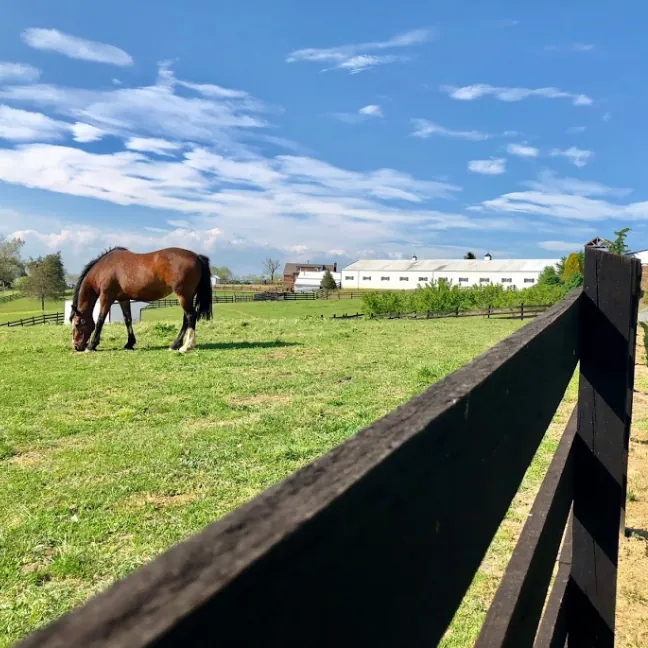
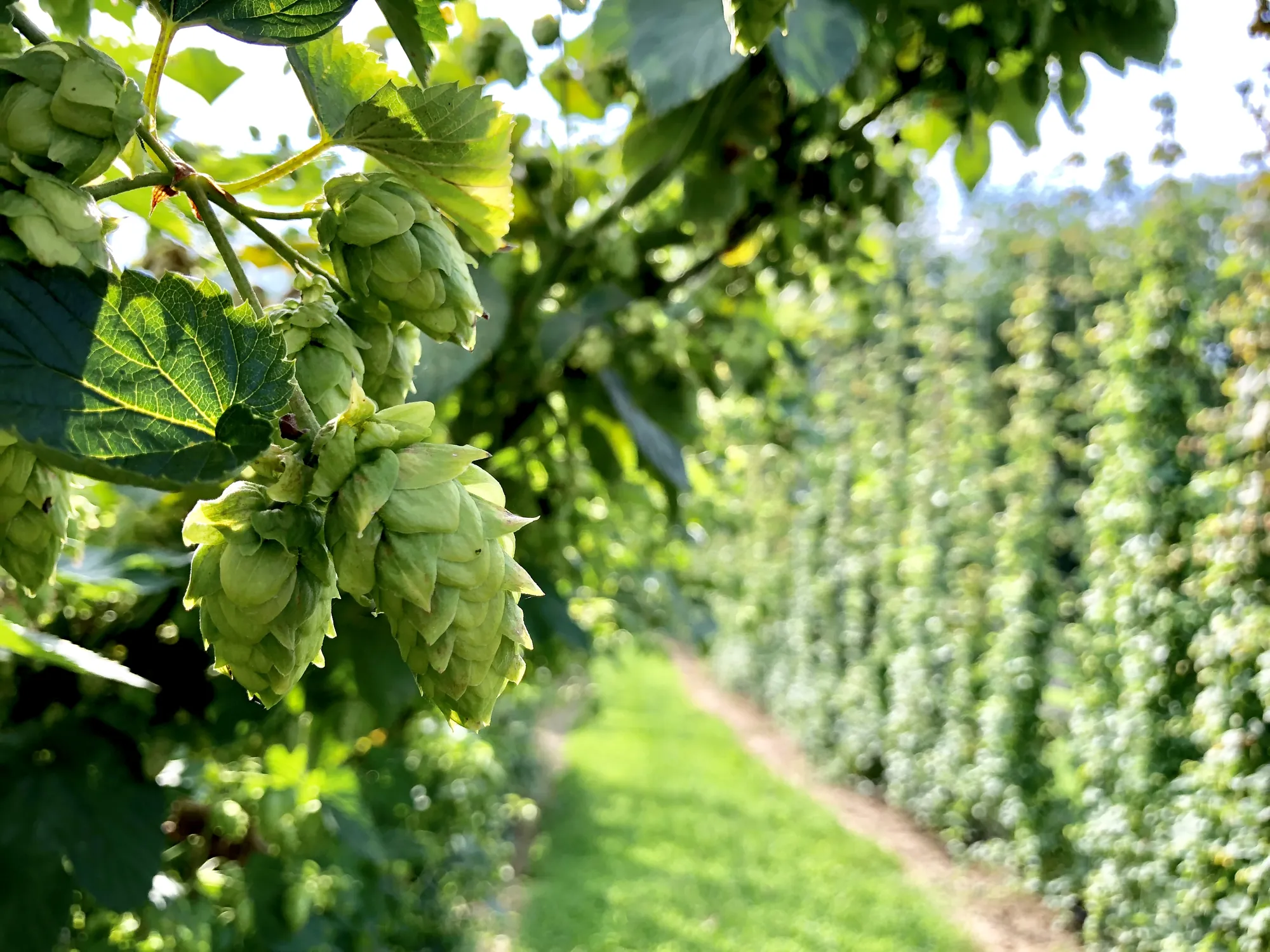
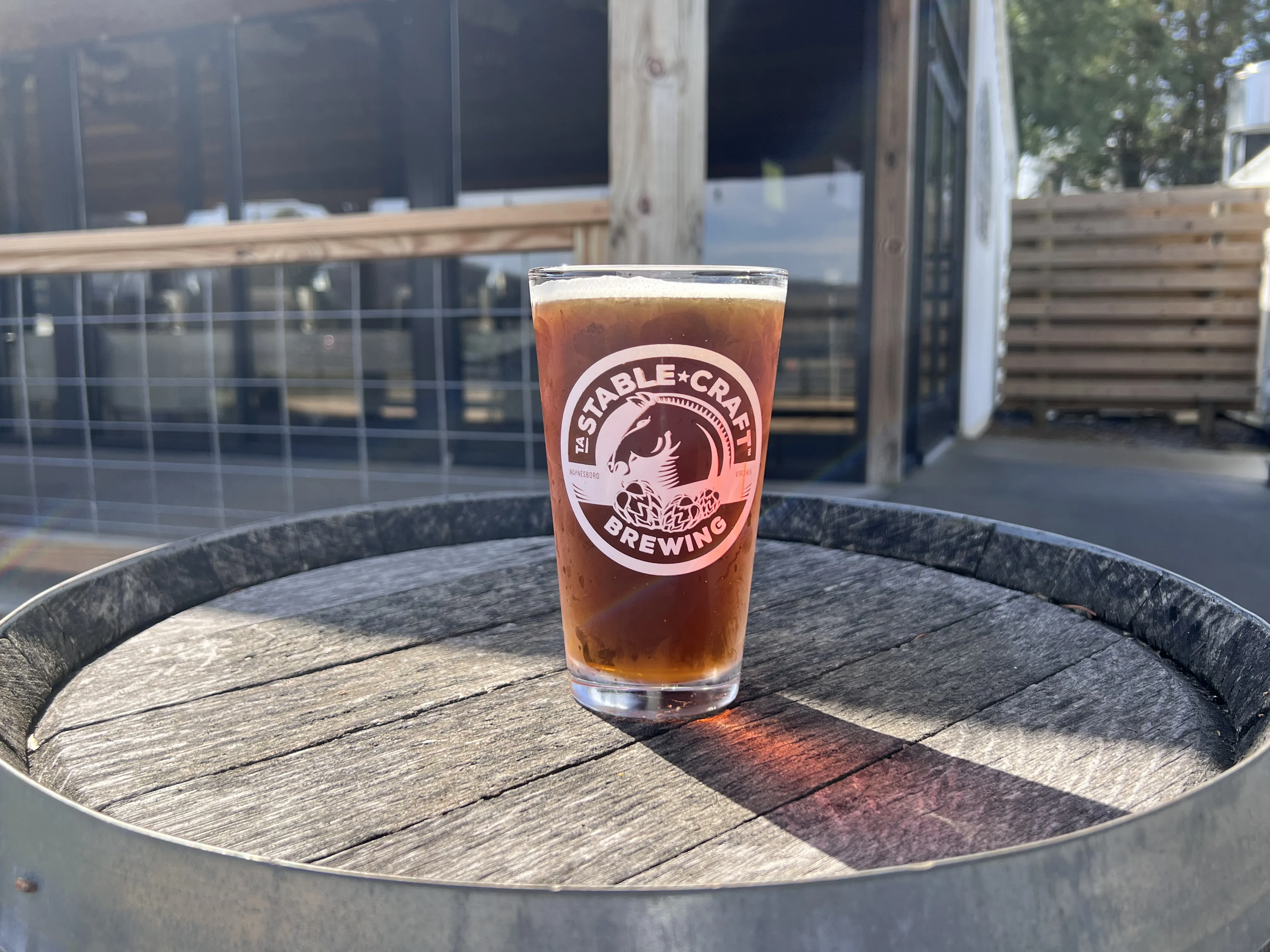
At Stable Craft, the tour has a distinct advantage because the brewery sits on a working farm. Saturday guests can walk the farm, hop yards, and brewhouse, then finish in the Tasting Room with a souvenir pint glass. It is an easy way to see how the farm setting connects to the beer before settling into the rest of the visit.
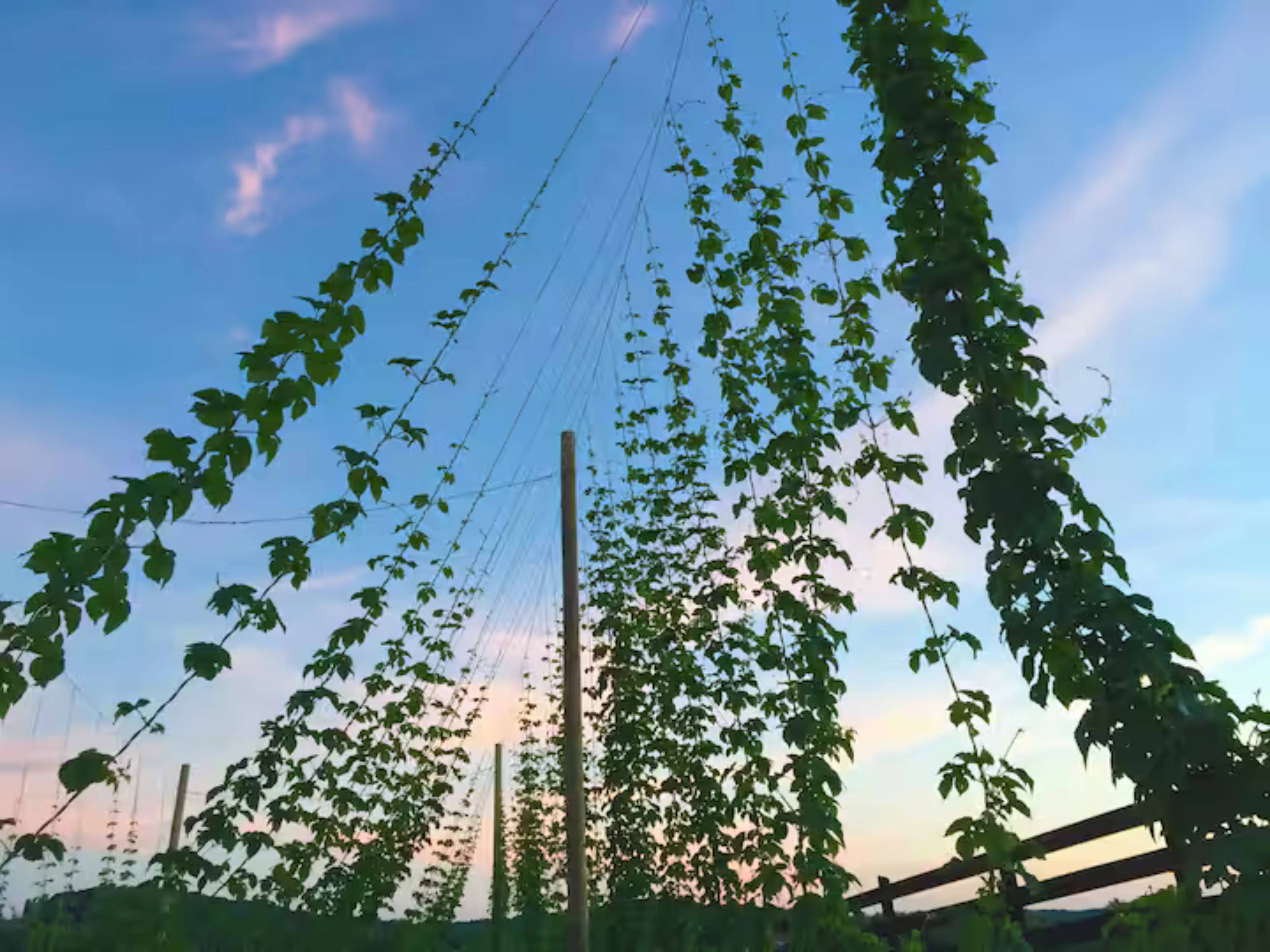
A guide may also explain why particular choices matter: the water source, how hops affect aroma, why fermentation needs careful timing, or what makes one style taste different from another. You do not need to memorize every term. Listen for the one or two details that make you curious, then ask about those. A good question is often more fun than trying to absorb a whole brewing textbook while standing beside a tank.
How to prepare without making it a project
Most people need very little preparation for a brewery tour. Start by checking the booking details, tour time, address, and any age or group policies. Arrive early enough to park, use the restroom, and meet your group without starting the day in a rush. Ten calm minutes at the beginning can change the whole pace of a visit.
Wear clothes that handle the actual plan. Closed-toe shoes are a sensible choice around working brewery areas, and comfortable shoes matter even more when the tour includes outdoor ground. In the Shenandoah Valley, a light layer is useful because an afternoon can move from sun to shade, air conditioning, and an evening on the patio. Our brewery outfit guide has the same practical rule: choose something that works for walking and still feels right when you sit down for food afterward.
Bring a photo ID if you plan to drink, and consider eating before the first sample if the day starts early. You do not need specialty gear, a detailed tasting notebook, or a list of technical questions. Water, comfortable shoes, and a little time after the tour are more valuable. A brewery visit is better when it has enough breathing room to become part of the day instead of another appointment to race through.
If you are coming with friends, send the essentials in one message: where to meet, when to arrive, whether you are staying for a meal, and how everyone is getting home. Clear plans are especially helpful for a birthday, reunion, or work group, where people may be driving in from different places. The practical details should make the gathering easier, not become the gathering.
Questions worth asking your guide
Tour guides are there because the brewery wants visitors to be curious. Ask about the beer you are most interested in, the role of the farm, a piece of equipment you have never seen before, or the part of the process that surprised you. Specific questions lead to better answers than trying to ask for a complete explanation of brewing in one sentence.
For a Stable Craft visit, a few natural questions might be how the hop yards fit into the farm, what guests can expect in the brewhouse, or which current pour the team is excited to talk about. You can also ask how a beer, cider, or craft soda connects to the food menu. That gives the rest of the table a better starting point when the tour ends and everyone is ready to choose a drink.
It is equally fine to ask a practical question. Where should the group meet after the tour? Is there time to eat before an event? What is the easiest option for someone who prefers cider or a non-alcoholic drink? A well-run tour should make the experience more welcoming for every person in the group, not only the biggest beer fan.
Keep in mind that conditions can change during a working day. A guide may avoid a production area, adjust the route, or save a longer explanation for later when the group can hear it comfortably. That is not a lesser tour. It is part of visiting a real brewery where the work continues around the guests.
Make the tasting part of the experience, not a test
A tour often ends near the bar or tasting room, which is a good moment to slow down rather than rush into a verdict. Start with what sounds appealing. If you like citrus, ask about a bright, hop-forward beer or a fruit-forward cider. If you prefer something richer, ask whether there is a maltier beer or a food pairing that fits the mood. The point is to find something you enjoy, not to prove that you have the most advanced palate at the table.
Use your senses simply. Look at the color, notice the aroma, take a small first sip, and ask yourself whether you would want another. There is no required vocabulary. "Crisp," "roasty," "fruity," "dry," and "not really for me" are all useful answers. A guide or server can help translate a preference into the next option without turning it into a lesson.
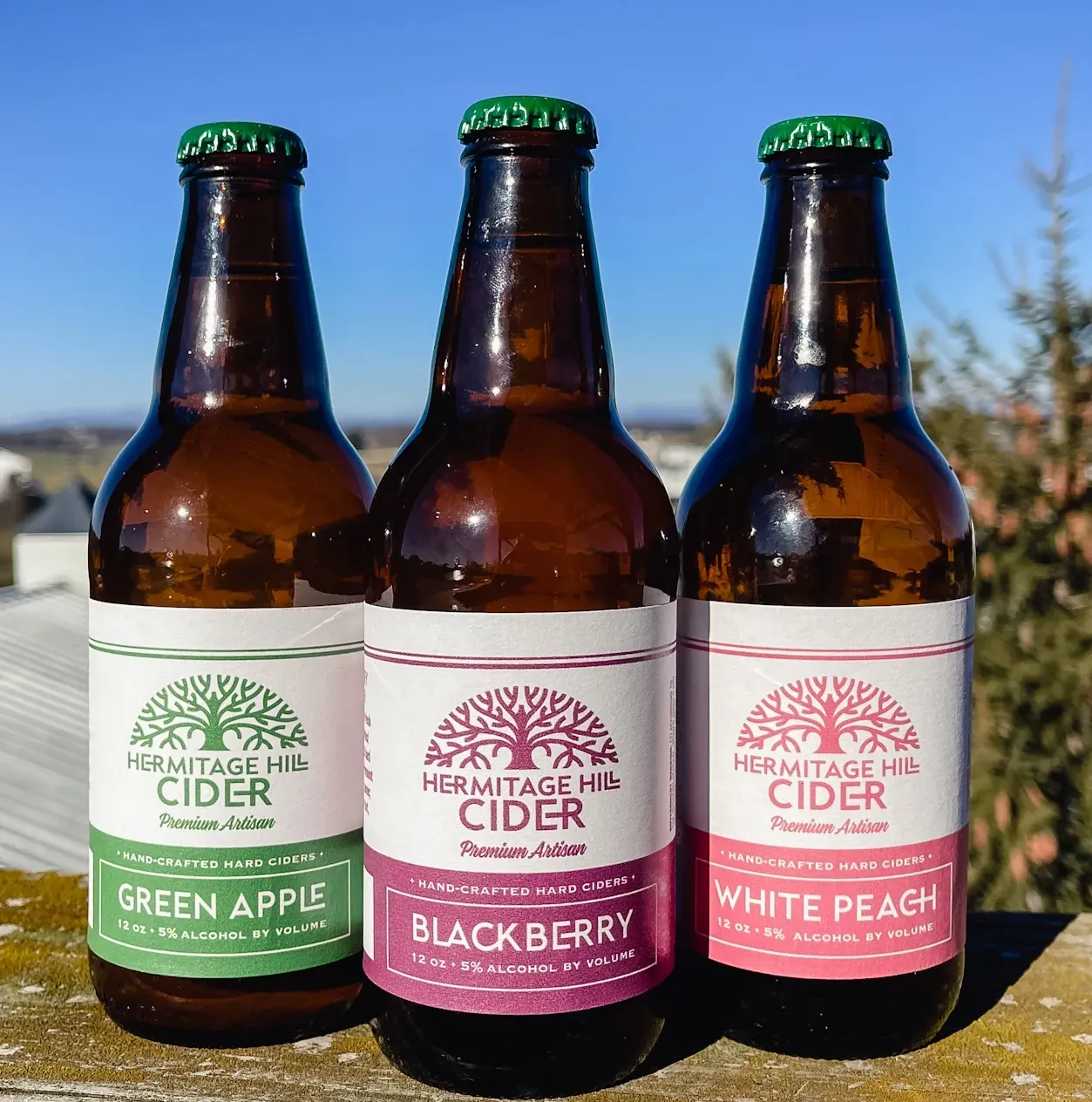
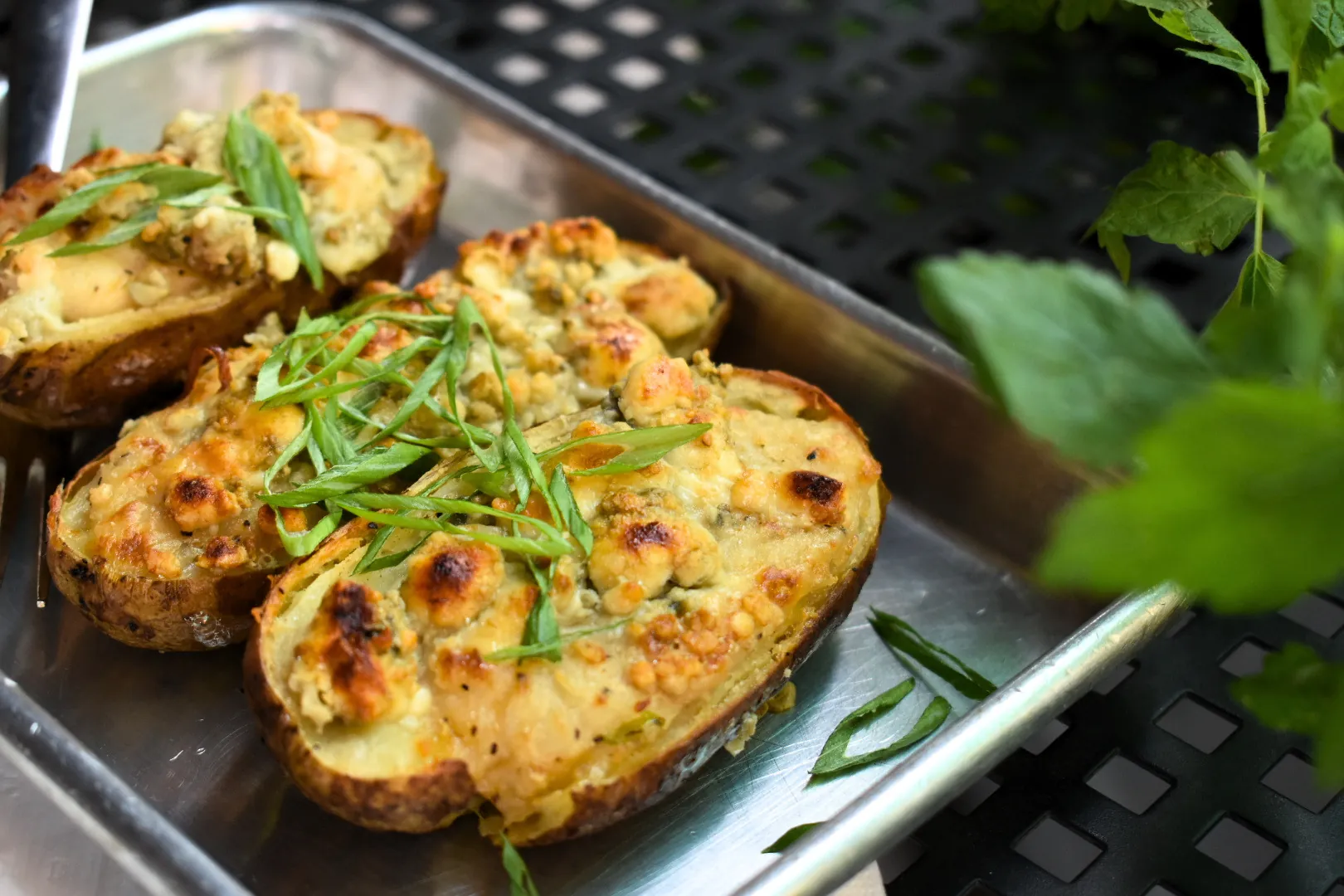
Stable Craft makes this easier for mixed groups because the visit can include house beer, Hermitage Hill Cider, and craft soda alongside a full meal. The food and drink page gives everyone a sense of what is available before the drive, and the current tap list can help you spot a pour you want to ask about when you arrive.
Eat and drink at a pace that lets you enjoy the conversation. A tour is a better start to an afternoon than a reason to rush through samples. Have food, drink water, and give each person room to choose what works for them. Visitors who do not drink alcohol should still feel fully included in the plan.
Turn the tour into a fuller Stable Craft day
The tour does not have to be the whole outing. At Stable Craft, it can be the anchor that gives the day shape. Start with the farm and brewhouse, then move to the Tasting Room or Beer Hall for a meal. The transition is easy because the setting already gives the group a place to stay together instead of sending everyone back to the car after the last question.
For couples or friends visiting from elsewhere in the Valley, pair the tour with a slow meal and leave time to enjoy the mountain views. Visitors building a broader itinerary can use the Waynesboro guide or the Shenandoah Valley brewery guide to plan the rest of the day around local scenery, downtown stops, and a relaxed place to land at the end.
For a celebration, keep the plan simple. A brewery birthday party can start with the tour and continue over food, drinks, and a toast. A larger gathering can use Stable Craft's private event spaces when the group needs a more defined setting. The farm gives hosts more options than a standard tasting room, but the best plan is still the one that leaves people enough room to talk and enjoy each other.
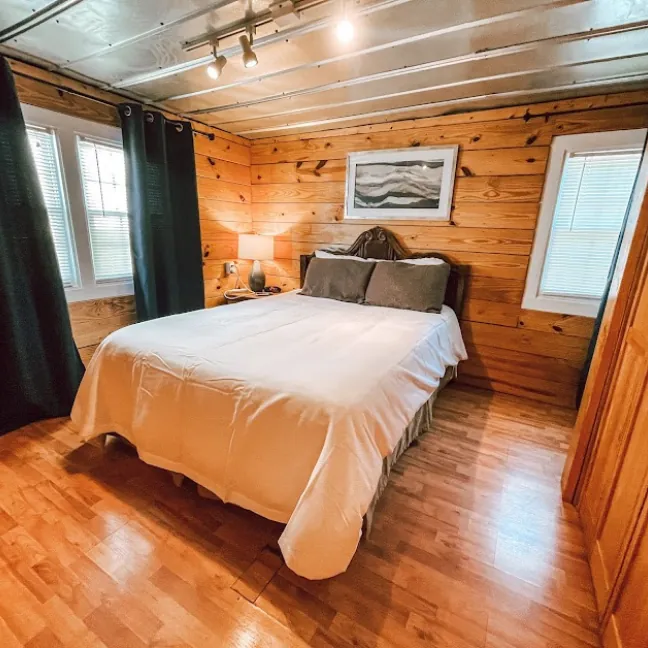
If the day feels too good to end with another drive, the overnight suites offer a way to make a proper Valley weekend of it. That can be especially useful for a special occasion or a group that wants to enjoy dinner and a final round without watching the clock. It also gives the next morning a better start than a long ride home.
Plan the ride home before the first pour
A brewery tour should end with the group getting home safely. Decide before the day begins who is driving, whether a rideshare or pickup makes sense, or whether staying overnight fits the plan. The National Highway Traffic Safety Administration's guidance on drunk driving is clear that alcohol and driving do not mix, and a simple plan removes the awkward decision from the end of the evening.
This does not need to feel heavy or formal. Let the designated driver know the group appreciates them, make water and food part of the plan, and give anyone who is not drinking a real choice in what the group does next. When the logistics are settled early, everyone can relax and enjoy the tour, the meal, and the conversation with a clearer head.
For a day built around the farm, the best part is often the unhurried finish. Take a last walk outside, compare favorite pours, catch an event if one is scheduled, or settle in for dinner. A brewery tour gives the visit a starting point. A little advance planning gives it a good ending.
A simple brewery tour checklist
- Book or confirm the tour details before you make the drive.
- Arrive early enough to park, check in, and meet your group without rushing.
- Wear comfortable shoes and bring a light layer for outdoor portions.
- Ask a few questions about the beer, the farm, or the process that interests you most.
- Leave time for food, water, and a relaxed tasting after the tour.
- Make the ride-home or overnight plan before the first drink.
Frequently asked questions
What is a brewery tour?
A brewery tour is a guided look at the spaces and work behind the beer. Depending on the brewery, it may include the brewhouse, ingredient or production areas, the property, and time to ask questions before finishing with a tasting or a drink.
How long does a brewery tour take?
Tour length varies by brewery and format. Plan enough time to arrive, take the tour at an easy pace, and enjoy the rest of the visit afterward instead of scheduling another stop immediately afterward.
What should I wear on a brewery tour?
Wear comfortable, closed-toe shoes when possible and bring a light layer for outdoor portions of the tour. Clothes that work for walking, standing, and a relaxed meal afterward are usually the right choice.
Can you eat or have a drink after a brewery tour?
That depends on the brewery. At Stable Craft, a Saturday tour can lead naturally into food, house beer, Virginia cider, craft soda, and time in the tasting room or Beer Hall.
Do I need to book a brewery tour in advance?
It is smart to check the current booking details before you make the drive. Booking in advance gives the brewery time to prepare and lets you plan the rest of your group visit with confidence.