A brewery party room can be a smart choice for a birthday, reunion, shower, work gathering, holiday meal, or any occasion that needs more character than a blank banquet room. The appeal is simple: people have a natural place to gather, good food and drinks can stay close to the conversation, and the setting already gives the day some personality.
Still, a room alone does not make a great party. The best choice matches the guest list, the pace of the occasion, and the kind of host you want to be. Use this guide to choose a brewery party room that makes the details feel manageable before the first guest arrives.
Start with the kind of gathering you want
Before comparing rooms, name the actual job the gathering needs to do. A birthday dinner needs a different setting from a team meeting. A family celebration may need easy conversation and a place for several generations to settle in. A shower or engagement party may need a little privacy and room for a toast. A casual work outing may be happiest with a relaxed flow, food on the table, and no formal program at all.
This first decision keeps the search practical. It is easy to be distracted by a beautiful photo or a large capacity number, then realize the room does not fit the event you are hosting. Ask whether guests will be seated for a meal, moving around for a social hour, listening to a speaker, opening gifts, or arriving at different times. The answer shapes the room, the timing, and the food plan.
At Stable Craft, the private event spaces range from a smaller Brewers Club gathering to the Cider House and Saddleback Ballroom for larger celebrations. That range matters because it lets a host match the room to the day instead of asking every party to fit one generic setup.

Count people honestly, then add room to breathe
Start with the people who are genuinely likely to come, not the number that sounds best on an invitation. A realistic estimate is kinder to your budget, easier for the venue to plan around, and more likely to give guests a comfortable experience. It also gives you a useful point of comparison when one room feels intimate and another feels oversized.
Then think beyond chairs. A seated dinner needs room for guests, servers, plates, and a clear path through the room. A more social gathering needs places to stand, set down a drink, and form small conversations without turning the entrance into a traffic jam. If there will be a gift table, dessert, a photo moment, a microphone, or a small activity, mention it early. Those details change what a comfortable room looks like.
Ask the venue how it normally sets up gatherings like yours. A capacity figure is a ceiling, not a promise that every style of party will feel good at that number. The right room gives your group enough energy to feel together while leaving enough space for people to move, reconnect, and take a breather when they need one.
Think about arrival, too. Guests may include grandparents, parents with young children, friends coming straight from work, or people who simply appreciate an easy path from parking to the table. Ask where the group will enter, how early the host can arrive, and whether anyone in the party has mobility needs. A room that works well before the first hello usually feels calmer for the rest of the celebration.
Choose food and drinks for the whole table
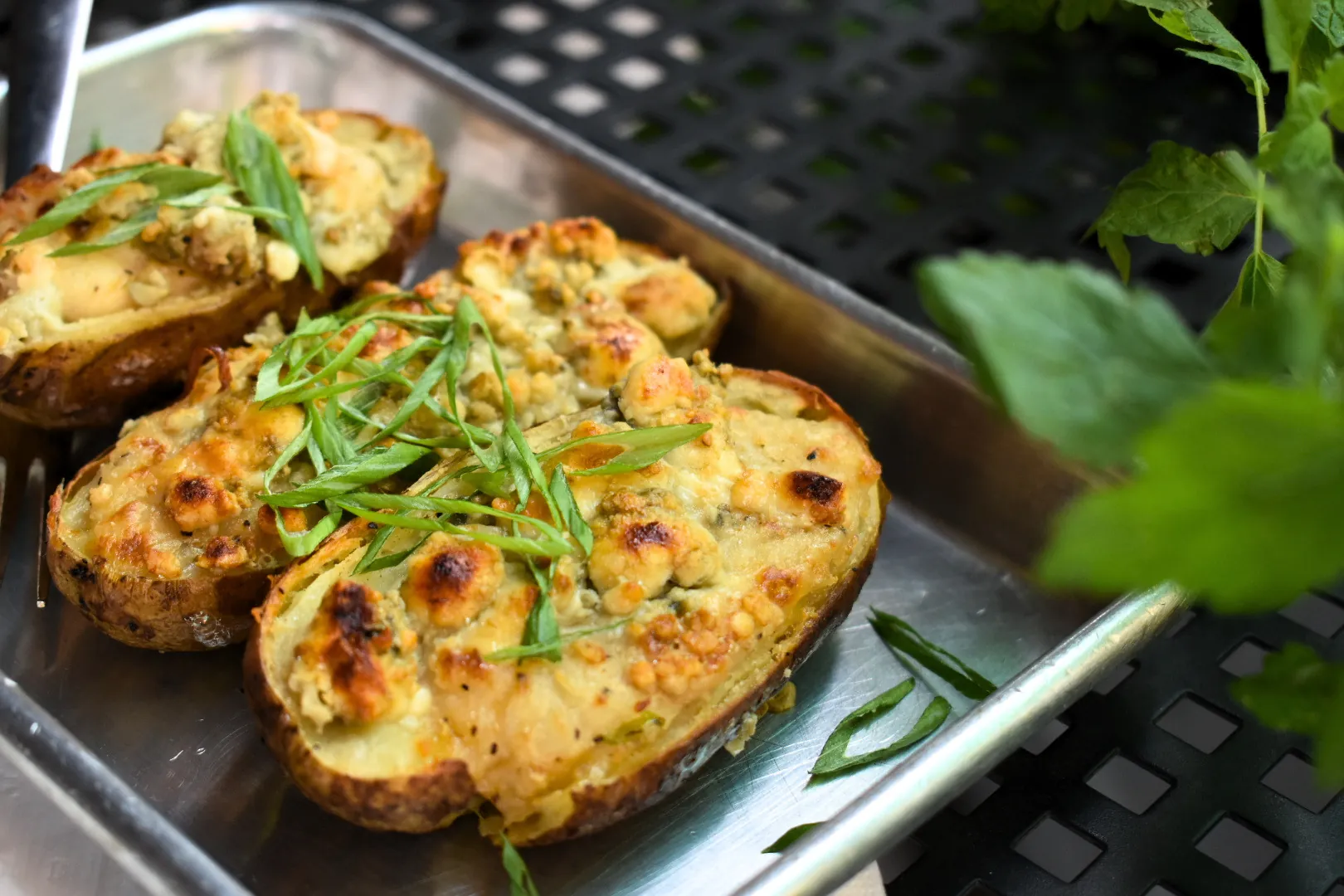
A brewery gathering works best when the menu feels like part of the welcome. Beer may be the reason some guests are excited to come, but it should not be the only choice. Look for food that matches the time of day and the way people will eat, plus cider, craft soda, water, and other genuinely appealing alternatives for people who are not drinking beer.
Think about rhythm as well as appetite. A late-afternoon party may need appetizers before a toast and a fuller meal later. A work gathering may be better with a lunch or early dinner that lets people stay for conversation without running too late. A birthday might call for a shared meal followed by dessert. The menu does not need to be elaborate. It needs to make it easy for guests to stay present instead of looking for their next stop.
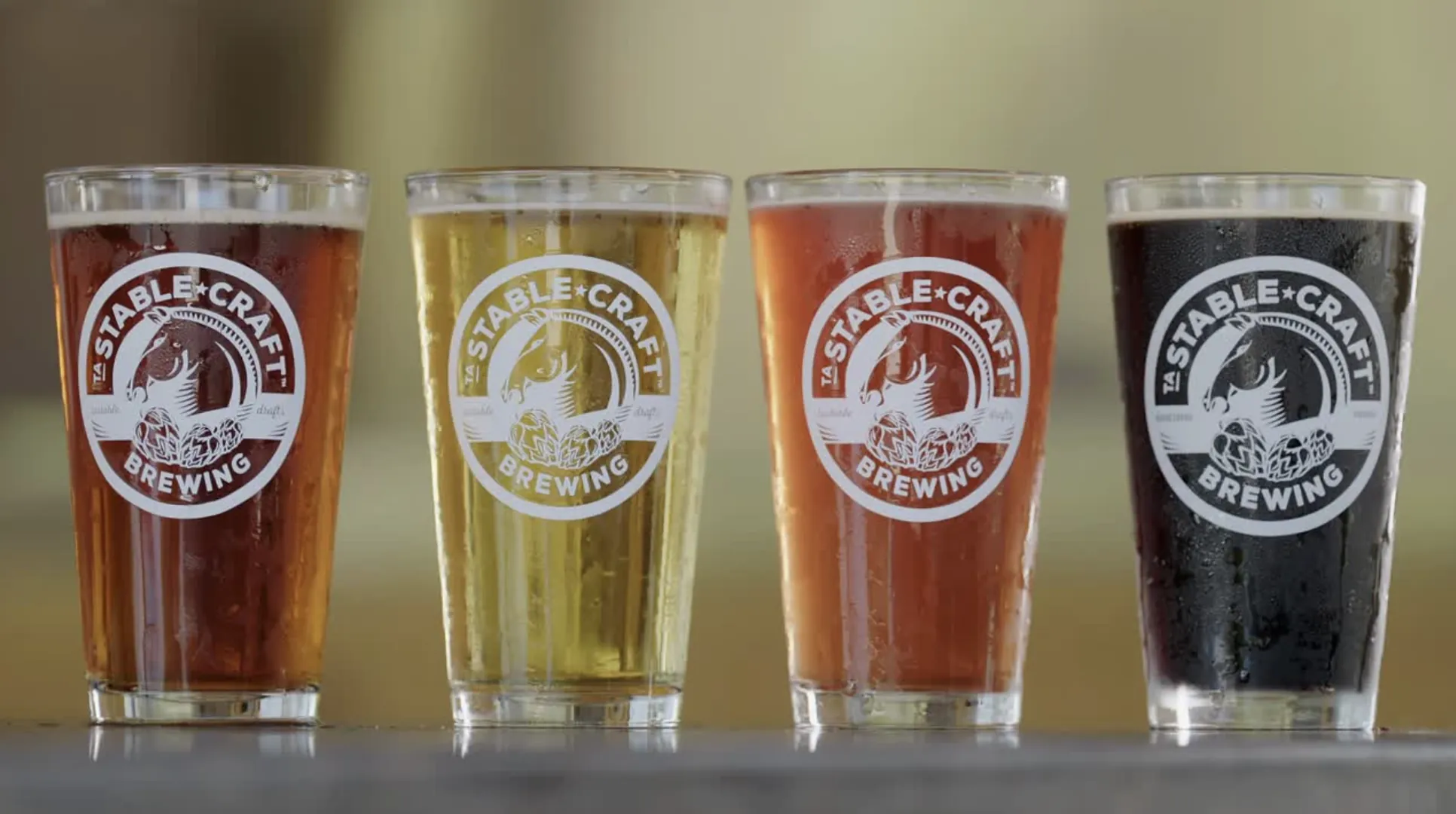
Stable Craft brings house beer, Virginia cider, craft soda, and farm-fresh food together on one property. The food and drink page gives hosts a clear sense of the experience, while the events team can help shape a plan around the gathering rather than forcing a party to work around a standard restaurant table.
Know how much privacy you actually need
Privacy is not all-or-nothing. Some groups want their own room because the host is giving a toast, a team is holding a short presentation, or family members have not seen each other in years and want to hear every conversation. Others simply need a dedicated home base where coats, gifts, and guests do not spill across several tables.
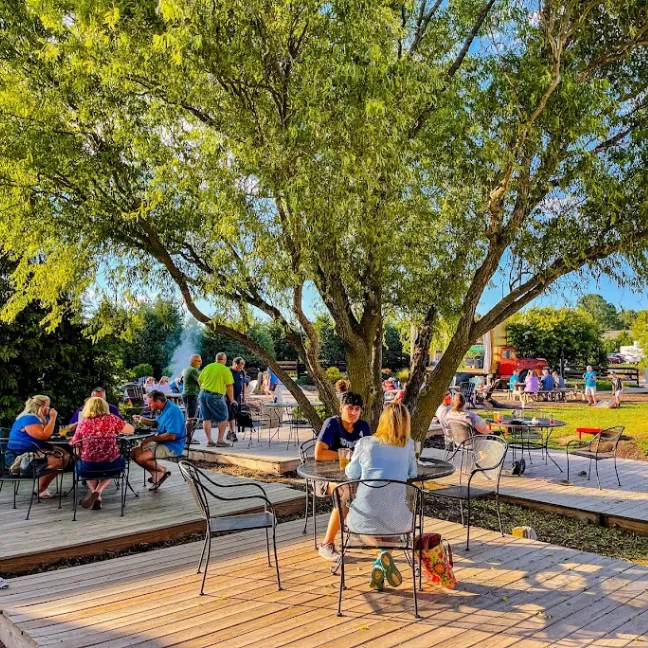
Consider the tone. A small room can make a dinner feel warm and personal. A larger ballroom may be the better answer when the guest list needs room for a meal, a dance floor, a bar, or multiple generations moving at different speeds. Outdoor space can be valuable when weather is pleasant, but it is wise to understand the indoor backup before you fall in love with a patio-only plan.
Ask what is happening around the room at the time you want. A lively public taproom can be exactly right for a low-key group, while a private setting is more useful when the occasion needs its own soundtrack and pace. The goal is not to eliminate energy. It is to choose the kind of energy your guests will enjoy.
If children, older relatives, or guests who do not drink are joining you, the room should make them feel included rather than tucked into a corner of someone else's celebration. Ask where the group can sit, take a quiet break, and enjoy a full meal without feeling rushed. The best brewery party room is not defined by the bar alone. It gives every guest a comfortable reason to stay for the moment that matters to the host.
Make timing work for the occasion
The best room can still feel awkward if the timing fights the event. Begin with the guest experience: when can people arrive without rushing, when will they be hungry, and how long do you want the gathering to last? A clear start and finish makes it easier for guests to say yes and helps the venue set food, staffing, and room access in a way that feels organized.
For a family meal, an earlier start can leave room for a relaxed dinner and an easy drive home. For a birthday or reunion, later timing may give people more space to linger. If your group wants to build in an activity, live music, or a tour, look at the event calendar before choosing a date. An existing event can add to the evening, but only if it fits the level of conversation and privacy your group expects.
Season matters, too. A winter party may favor an indoor room and a hearty meal. Spring and fall can make an indoor-outdoor flow especially inviting, though weather plans still matter. Holiday weekends and popular Saturday dates often go quickly, so a little flexibility with the date can open up a better room or a smoother time slot.
Ask the useful questions before you book
A good events team expects questions. Bring the basic facts: date range, estimated guest count, occasion, preferred timing, food needs, and the kind of atmosphere you want. Then ask what is included and what needs a decision. That could cover tables and seating, bar setup, service, food choices, access time for simple decorations, audio needs, parking, and how the space works if the weather changes.
It is also worth asking about the details people tend to leave until late. Can you bring a cake? Is there a place for gifts or a photo display? Can the group make a toast? What does the event flow look like from arrival through the end of the night? The answers help you send a clearer invitation and prevent the host from having to solve small problems while friends and family are waiting.
Keep décor simple until you understand the room. A farm setting, good table, and familiar faces do a lot of the work already. The most memorable gatherings usually have one personal detail, not twenty. A meaningful toast, a favorite dessert, a family photo, or a little music can carry more feeling than a crowded setup.
Build the Stable Craft gathering around your people
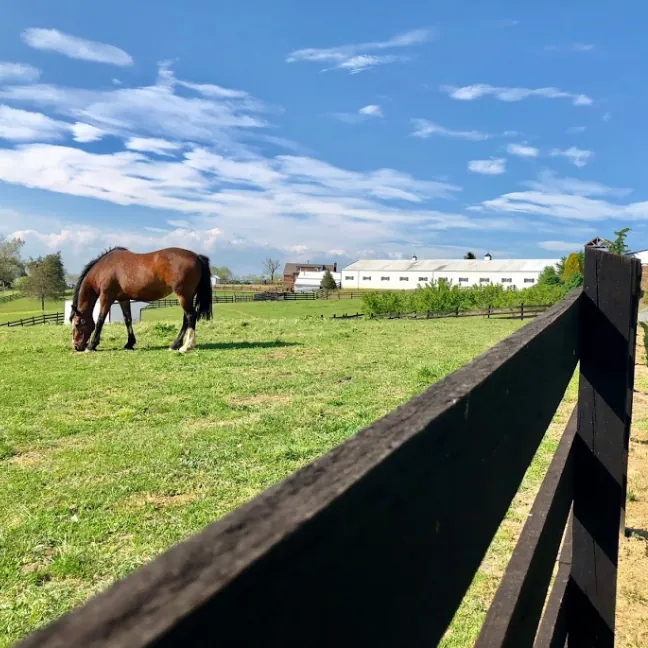
Stable Craft makes sense for hosts who want a gathering to feel like a real occasion without sending guests between separate venues. The farm combines private spaces, food, house beer, cider, craft soda, and Blue Ridge views in one place. Guests can arrive for a meal, settle into the room, step outside for a breath of air, and stay connected to the group all evening.
For an intimate dinner or a group up to 32, the Brewers Club offers a more personal setting. The Cider House is climate-controlled and suited to gatherings of up to 70. For a larger celebration, the Saddleback Ballroom has room for up to 200 guests plus its own bar and patio. Those are real distinctions, not just different room names, and they help a host choose a setting that feels intentional.
When the group is traveling or the occasion deserves a slower finish, the overnight suites make it possible to keep the evening simple. A few guests can stay on the farm, skip the late drive, and wake up to a quieter Valley morning. For the party itself, start with the event spaces and share the basics of your plan. The right room, meal, and timing can do most of the hosting work for you.
A brewery party room checklist
- Name the purpose of the gathering before comparing rooms.
- Use a realistic guest count and ask how that number feels in the planned setup.
- Choose food and drink options that include every guest.
- Confirm the privacy, timing, accessibility, and weather plan.
- Ask about the details that affect the day: arrival, décor, cake, toasts, and room flow.
- Set the ride-home or overnight plan before the party begins.
Frequently asked questions
What should I ask before booking a brewery party room?
Ask about the room's comfortable guest count, food and drink options, what is included, timing, access, and any rules for décor or outside items. A good venue will help you understand the flow of the gathering before you commit.
How far ahead should I book a brewery party room?
Book as early as you can once you know the season, guest count, and preferred date. Popular weekends, holiday gatherings, and larger celebrations usually need more lead time than a small weekday dinner.
Can a brewery party room work for guests who do not drink beer?
Yes, when the venue offers meaningful non-beer choices and food. A thoughtful party plan gives every guest something they will enjoy, not just the people ordering a pint.
What size brewery party room do I need?
Choose for the way people will gather, not just the headcount. A seated dinner, a cocktail-style celebration, a presentation, and a family party each need a different amount of space and a different room setup.