A great brewery game does not need a bracket, a long rule sheet, or a prize at the end. It gives friends, family, or coworkers a shared excuse to laugh, move around a little, and settle into the visit together. That is especially useful when the group includes people who just met, guests of different ages, or a few people who would rather ease into the day than sit at one table from start to finish.
The best brewery games leave room for the rest of the experience. They are easy to join, easy to pause for food, and never make anyone feel left behind. Use this guide to shape a low-pressure game plan that works for your group, then let the setting do the rest.
Start with a game that fits the group
Before picking a game, think about the people, not just the activity. A birthday group that already knows each other may enjoy a friendly team competition. A work group or family gathering may need something that gives people a natural way to mingle without putting anyone on the spot. A date or a small group of friends may simply want an activity that fills a quiet moment between a meal and a second round of conversation.
Look for a game with a gentle learning curve. If someone can understand the goal in a sentence or two, they can decide whether to play without feeling like they need to study first. The same principle makes it easier for guests to arrive late, sit out a round, or swap teams. A good brewery game is an invitation, not an assignment.
Games that encourage a little movement work especially well in an open setting. They help the group notice the space around them, break up long stretches of sitting, and create small moments of encouragement without demanding athletic skill. Indoor table games can be just as good when the weather is uncertain or the group wants to keep the focus on conversation.
Choose easy games over complicated ones
At a brewery, the most successful games are usually the ones that do not monopolize the table or the group’s attention. Think of activities with a clear turn, a short round, and a natural stopping point. Cornhole, ring toss, a casual card game, trivia questions among friends, or a simple scavenger-style challenge can all create energy without making everyone wait for one person to finish a complex move.
Save elaborate strategy games for a planned game night. A brewery visit has too many pleasant interruptions for a four-hour commitment: food arrives, friends stop by, the weather changes, an event starts, or someone wants to take a walk. That is not a failure of focus. It is the point of choosing a setting with more to offer than a living-room table.
Keep competition kind. A little scorekeeping can add momentum, but the prize should be bragging rights, a silly team name, or the chance to choose the next snack. Avoid games that pressure people to drink, rush through a meal, or keep playing when they would rather take a break. The good part is the shared memory, not the final score.
Make the space part of the plan
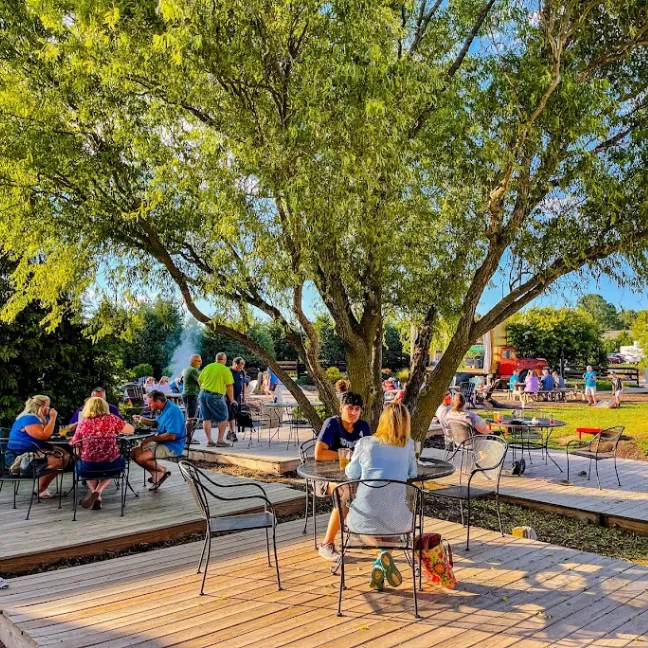
The right venue gives a group choices. Outdoor space can make lawn games feel natural, while a comfortable indoor table gives people a place to regroup when the weather turns. A good food and drink menu means the game does not have to carry the entire day. People can play a round, order a meal, catch up, and decide what sounds good next.
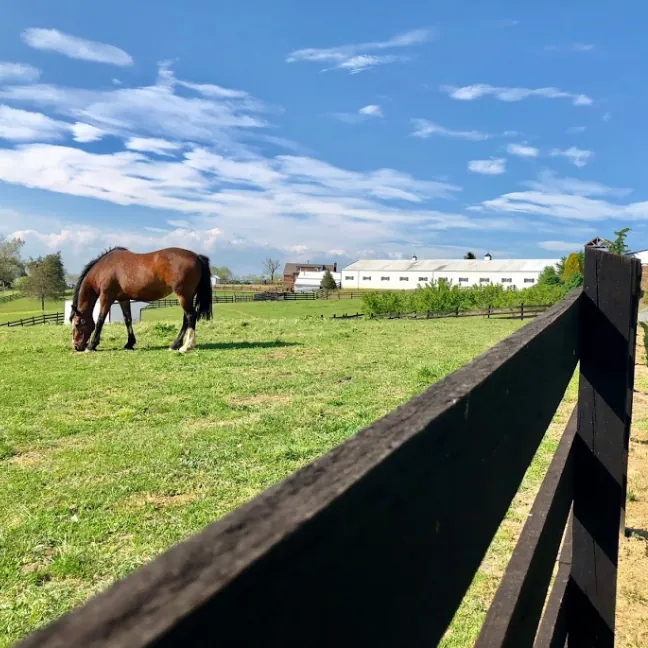
At Stable Craft, the farm setting makes that rhythm easy. The nine-hole Cornhole Golf course gives a group a real activity with a relaxed pace, then the taproom, food, and outdoor areas make it easy to turn the round into a fuller afternoon. It is more welcoming than a high-pressure tournament because first-timers can pick up the basics and experienced players can still find a little friendly challenge.
When you are choosing any brewery for games, check the practical details before inviting a crowd. Is the game available during the time you plan to visit? Does the group need to reserve a space? Are children, dogs, or guests with limited mobility part of the plan? Those small questions help everyone arrive ready for the day instead of sorting out logistics at the door.
Build in food, breaks, and real conversation
A brewery game day feels better when no one has to choose between participating and being comfortable. Plan a food break before the group gets hungry, especially if the visit includes an outdoor activity. Give guests time to find a seat, order what suits them, and check in with one another. The game will still be there after a shared plate or a full meal.
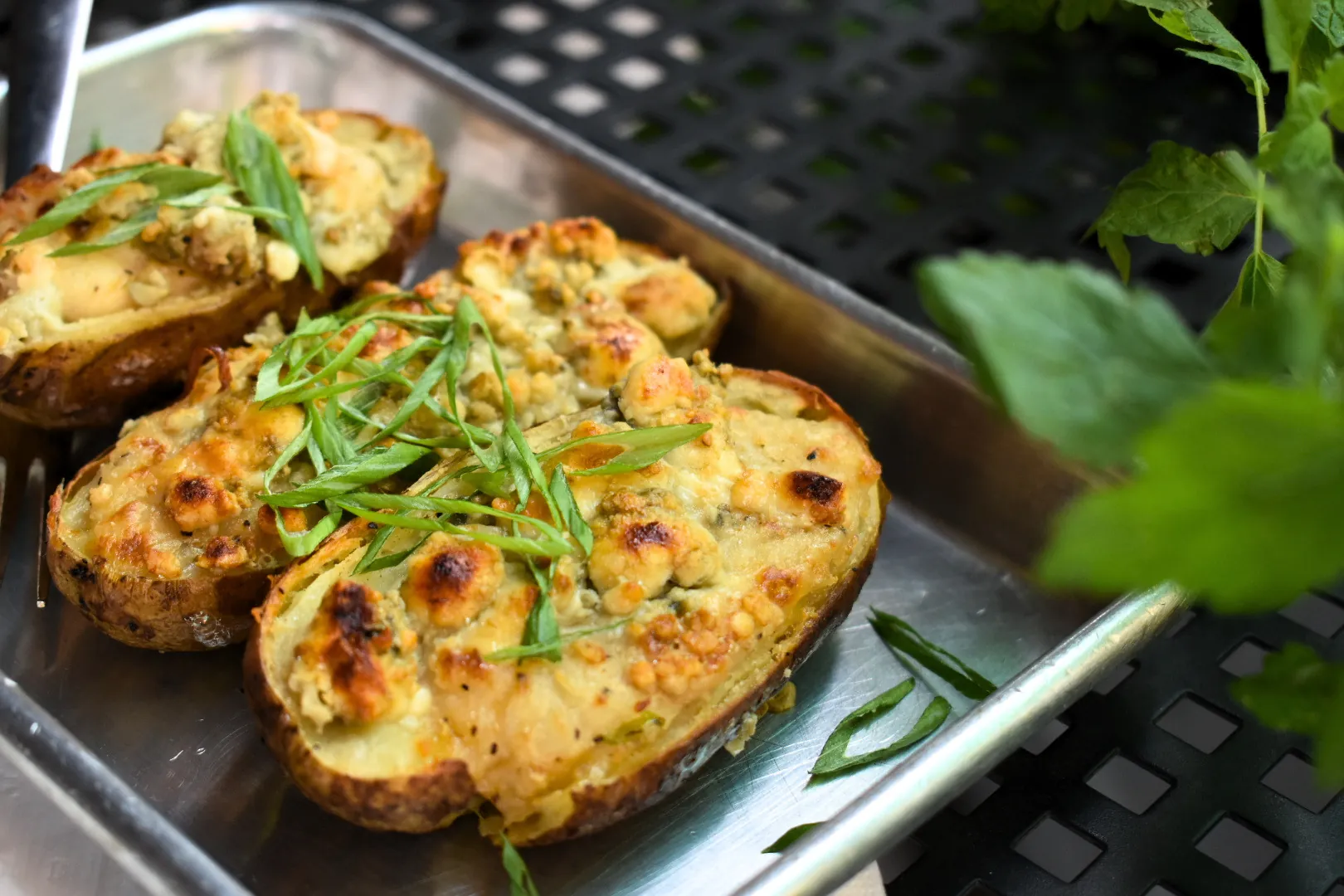
Make drink choices inclusive, too. A group does not need identical orders to enjoy the same outing. Stable Craft offers house beer, Virginia cider, craft soda, and farm-fresh food, so visitors can choose what fits them and stay part of the moment. The food and drink page is a useful starting point when you are planning for a mix of tastes.
Leave room for people to watch. Some guests love keeping score, while others are happiest offering commentary from the patio, taking photos, or joining for the last round. A relaxed plan makes all of those roles feel normal. It also gives the group a better chance to notice what makes a brewery visit memorable in the first place: familiar faces, an unhurried meal, a view, and a reason to stay a little longer.
Use teams to keep a larger group together
Large groups can become spectators if one game only accommodates two or four people at a time. Teams solve that problem. Pair people who do not know each other well, rotate partners after a round, or give each team a simple job such as keeping score, choosing the next hole, or coming up with the team name. The structure is just enough to bring people together without making the day feel programmed.
For a family gathering, keep teams flexible so children, grandparents, and anyone who wants a breather can move in and out naturally. For a work outing, avoid putting the entire event on a winner-loser track. A few short rounds and a shared meal often do more for conversation than a long competition where half the group is waiting for the finish.
Timing matters here. Plan the activity before the group settles into a full meal, or use it as a gentle reset afterward. If your group wants a private home base, a hosted meal, or a larger celebration around the game, explore Stable Craft’s event spaces before you choose the date. A clear plan means the host gets to enjoy the outing, too.
Try Cornhole Golf for a brewery day with shape
Cornhole Golf is a natural fit for groups who want more than a quick stop but less structure than a full-day outing. The format borrows the familiar toss-and-score feel of cornhole and gives it a nine-hole course. That change in setting creates a reason to move, talk between holes, and enjoy a friendly round without needing golf experience or special equipment.
First-time players should keep the rules simple. Choose teams, agree on the scorekeeping approach, and focus on keeping the group moving. The separate Cornhole Golf rules guide explains the basic rhythm if your group wants a refresher. Comfortable shoes and a light layer are sensible choices for a farm setting, and the what to wear to a brewery guide can help guests plan for the season.
At Stable Craft, a round can stand on its own or become the beginning of a fuller visit. Pair it with a tasting flight, a meal, an event, or a slower afternoon on the farm. If people are traveling in for the celebration, the overnight suites can make it easier to enjoy the evening without turning the ride home into the main concern.
Keep the day easy from the first invitation
A simple invitation makes the group more likely to say yes. Name the activity, the general time, whether guests should bring a layer or comfortable shoes, and whether you are planning to eat. Let people know that they can join the game, watch from the table, or arrive for the meal. That clarity is especially helpful for guests who do not know the venue or are meeting a new group for the first time.
Then resist the temptation to overplan. Leave room for the group to linger when conversation is good, play one more hole when everyone is laughing, or change direction when the weather does. A brewery game day works because it has just enough structure to create a shared experience and just enough freedom to feel like a real break from the week.
For current event options, check Stable Craft’s events calendar before you visit. Pairing a casual game with a live event can make the day feel special, as long as the event fits the group’s preferred pace and noise level. The best version of the plan is the one your guests will actually enjoy.
A quick brewery games checklist
- Choose an easy game that welcomes first-timers.
- Match the activity to the group size, season, and setting.
- Keep competition friendly and never tie the game to drinking.
- Plan food, water, and a real break before everyone gets hungry.
- Use teams or rotation to keep a large group included.
- Leave room to linger, change plans, and enjoy the visit.
Frequently asked questions
What games are good to play at a brewery?
The best brewery games are easy to explain, easy to pause, and welcoming to people who do not think of themselves as game players. Lawn games, a simple scorecard activity, conversation games, and casual team challenges all work well because guests can join in without missing the rest of the visit.
What should a group bring for brewery games?
Keep it simple: comfortable shoes, a light layer for changing weather, and any small game that is easy to carry and quick to put away. Check the venue’s rules before bringing equipment, and choose games that work with the space rather than taking over it.
Can brewery games work for people who do not drink beer?
Absolutely. A thoughtful brewery game plan is about conversation, a shared activity, food, and a comfortable setting, not about how much anyone drinks. Pick a venue with real food and non-beer choices so every guest has a reason to enjoy the day.
How many people can play a brewery game together?
Small groups can play one round together, while larger groups usually have a better time when they split into teams or rotate through short rounds. The goal is to keep the game moving and leave room for conversation, food, and anyone who would rather watch than compete.