Cornhole golf is easy to learn because the idea is familiar: move from hole to hole, count your throws, and finish with the lowest score. That gives a group a shared activity without needing a tee time, special gear, or a long list of instructions.
The best rounds stay simple. Read the course signs, choose a scorekeeper, agree on whether you are playing individually or in teams, and let the group find a comfortable pace. These cornhole golf rules give first-timers a clear way to play while leaving room for the local course setup.
Start with the course rules
Cornhole golf combines the toss of cornhole with the hole-by-hole rhythm of a golf course. The format is straightforward, but individual courses can set their own distances, targets, boundaries, and pace-of-play expectations. Start by reading the first-hole instructions and any signs along the route. Those instructions matter more than a generic rule sheet because they are built for that course.
The central objective is the same from one course to the next: complete each hole in as few throws as possible. The official Cornhole Golf overview describes the game as a blend of cornhole and mini golf, with the lowest score winning. That is the only principle a casual group needs to keep in mind before the first toss.
If a detail is not posted, settle it quickly and move on. Decide whether a missed bag is replayed or simply counts as a throw. Decide where a bag that lands out of bounds returns to play. Then use the same answer all day. Consistency is more useful than inventing complicated rules halfway through a close round.
The simple way to keep score
Use one person, one phone note, or one paper scorecard to record the round. Put each player or team across the top and list the holes down the side. At every hole, record the number of throws it took to finish. Add the totals after the last hole. Low total wins.
That may sound almost too simple, but it solves most scorekeeping problems. Count every attempt the group agrees counts. Do not wait until the end of three holes to reconstruct who threw what. A quick mark after each hole protects the fun of a close finish and lets everybody stay present instead of trying to remember details from twenty minutes ago.
A scorecard also helps players see the rhythm of the game. Someone may have a rough start and find a comfortable toss later in the course. Another player may get a great early score and then need to stay patient. Cornhole golf is more enjoyable when the score feels like part of the shared story, not a running argument.

For a first round, skip side bets and extra scoring systems. If the group wants more structure later, set a maximum number of throws on a hole before starting the round. That keeps a difficult hole from holding up everyone behind you, especially when the course is busy.
Choose individual play or teams
Individual play is the simplest option for two to four people. Every player throws their own bags, records their own number, and adds their own total. It gives everyone a clear scorecard and works well when the group wants a little friendly competition.
Teams are usually better for a birthday, family gathering, work outing, or mixed group. Put two to four people on each side, rotate who throws, and write one score per team for every hole. That reduces the time each person spends waiting and gives new players a little support from someone who has already found a comfortable throwing style.
Do not assume the strongest thrower should take every turn. A relaxed rotation makes the group feel like a group. Let each player take a meaningful turn, especially when younger guests or first-timers are involved. Teams also make it easier to keep the mood light when someone sends a bag in the wrong direction.
Take turns and keep the course moving
On each hole, let the person or team with the best score on the previous hole throw first, or use a simple rotating order. Either approach works. The important thing is that everyone knows whose turn it is and no one throws while another player is standing near the target.
When it is your turn, take a moment, make the toss, and clear the space for the next player. Save long conversations, photos, and score debates for between holes. Cornhole golf is meant to be social, but a good pace makes the social part better. Nobody enjoys feeling rushed by the group behind them or spending a sunny afternoon standing still.
Look ahead before moving. Gather the bags, check that the next hole is clear, and follow the marked route. If a faster group catches you, let them pass at a natural break. That small bit of course awareness keeps the game comfortable for everyone, including people you did not arrive with.

For groups that include food and drinks, play first and sit down afterward when possible. That gives everyone full attention for the tosses, makes it easier to keep track of the score, and leaves the meal as the relaxed reward at the end of the round.
Use a simple format for a first round
A first-time group does not need to copy a tournament. Start with one thrower at a time, one recorded score per hole, and a short pause before moving to the next target. That gives everyone enough structure to understand the game while keeping the attention on the people you came with.
If your group includes players with very different confidence levels, make a small adjustment before anyone feels left behind. Let beginners throw from the course's standard mark and let experienced players challenge themselves by choosing a more difficult line only when the course allows it. Do not change the official setup or create hazards for other guests. The goal is a fair, relaxed round, not a homemade obstacle course.
For families, it helps to decide how much scorekeeping matters before the first hole. Younger players may enjoy tracking their own number, while a parent or another adult keeps the official card. For a work group, choose one person to record the score and rotate who carries the bags. Sharing the small jobs prevents one person from becoming the round's unpaid event coordinator.
After three holes, take a quick temperature check. If the group is laughing and moving easily, keep the format. If people are waiting too long or getting lost in the numbers, switch to pairs or teams for the remaining holes. A casual round is allowed to adapt. The result still counts because the point is to finish together.
Know when a hole is finished
A hole is finished when every player or team has completed the target according to the local course instructions. Before walking away, take ten seconds to confirm the score and gather the bags. That is much easier than returning after the next hole because someone realizes their total was never written down.
If a bag lands on the board, near the hole, or in a spot that feels unclear, use the course rule first. When there is no posted answer, agree on a practical call before the next person throws. A group that makes quick, generous decisions keeps the round fun. A group that treats every bounce like a courtroom case usually loses the afternoon.
There is no harm in a friendly redo when a bag is interrupted by another player, a sudden distraction, or a clear equipment issue. Say so immediately, reset the turn, and move on. The redo should make the game fair, not give a player repeated chances to chase a better score.
Set friendly boundaries before the first throw
A casual cornhole golf round does not need a rulebook, but it does need a few shared expectations. Start by confirming where players stand, whether everyone throws from the same marked area, and what happens when a bag lands outside the course boundary. If the course has signs, use them. If it does not, choose the most sensible answer and keep it the same for the entire group.
Respect the grounds as you go. Keep bags, cups, and personal items out of the walking path. Do not climb on equipment or use landscaping as a shortcut. Pick up anything you bring with you. Those small habits let the course stay enjoyable for the next group and help everyone focus on the game rather than cleanup.
It is also worth agreeing on the tone. A competitive group can still be generous. Congratulate a good shot, laugh off a bad bounce, and avoid coaching every player unless they ask. The point of a brewery-day activity is to add energy to the visit, not to turn friends into opponents before dinner.
Make the round part of a better Stable Craft visit
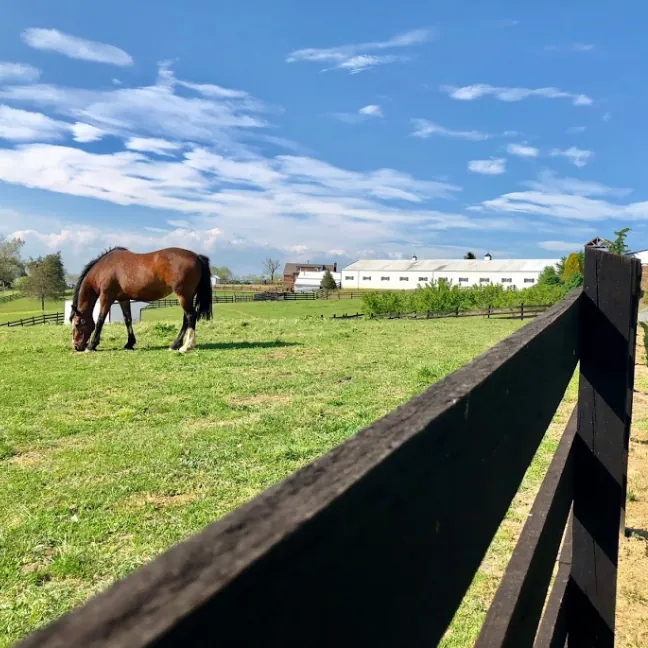
At Stable Craft, cornhole golf works well as the center of a longer farm afternoon. Begin with a round, then settle into the food and drink menu while the group talks through the best shots and most creative misses. It gives visitors an easy transition from an outdoor activity to a meal without having to drive somewhere else.
For bigger groups, a round can also be a natural part of a birthday, reunion, or work gathering. The broader Cornhole Golf guide covers what to expect from the activity and how to plan the pace of the day. If the gathering needs a dedicated space before or after the game, Stable Craft's private event options help put food, drinks, and a gathering place in one plan.

Keep the ride home in the plan, too. Visitors who want to linger can review the overnight suites before they arrive. A clear ending to the day lets the group enjoy the round, the meal, and the farm setting without anyone needing to rush off early.
Frequently asked questions
What are the basic rules of cornhole golf?
Play one hole at a time, count each throw, and move through the course in order. The lowest total wins, much like a casual round of golf. A course's posted rules always take priority because layouts and local formats can differ.
How do you keep score in cornhole golf?
Use one scorecard for the group. Write the number of throws each player or team needs to finish every hole, then add the holes at the end. Keeping every throw visible on the card prevents a friendly game from turning into a debate.
Can beginners play cornhole golf?
Yes. The simple format makes it approachable for first-timers. Start with a casual individual or two-person team round, agree on the local rules, and focus on keeping the group moving rather than perfecting every toss.
Is cornhole golf better as teams or individual play?
Individual play works well for a small group that wants a traditional scorecard. Teams are usually easier for larger, mixed-experience groups because everyone stays involved and the round moves faster.
Can we play cornhole golf before food and drinks at Stable Craft?
Yes. It can be a simple opening activity before settling in for a meal and drinks. Check the current visit details before you come so the rest of the day fits the venue's hours and on-site setup.