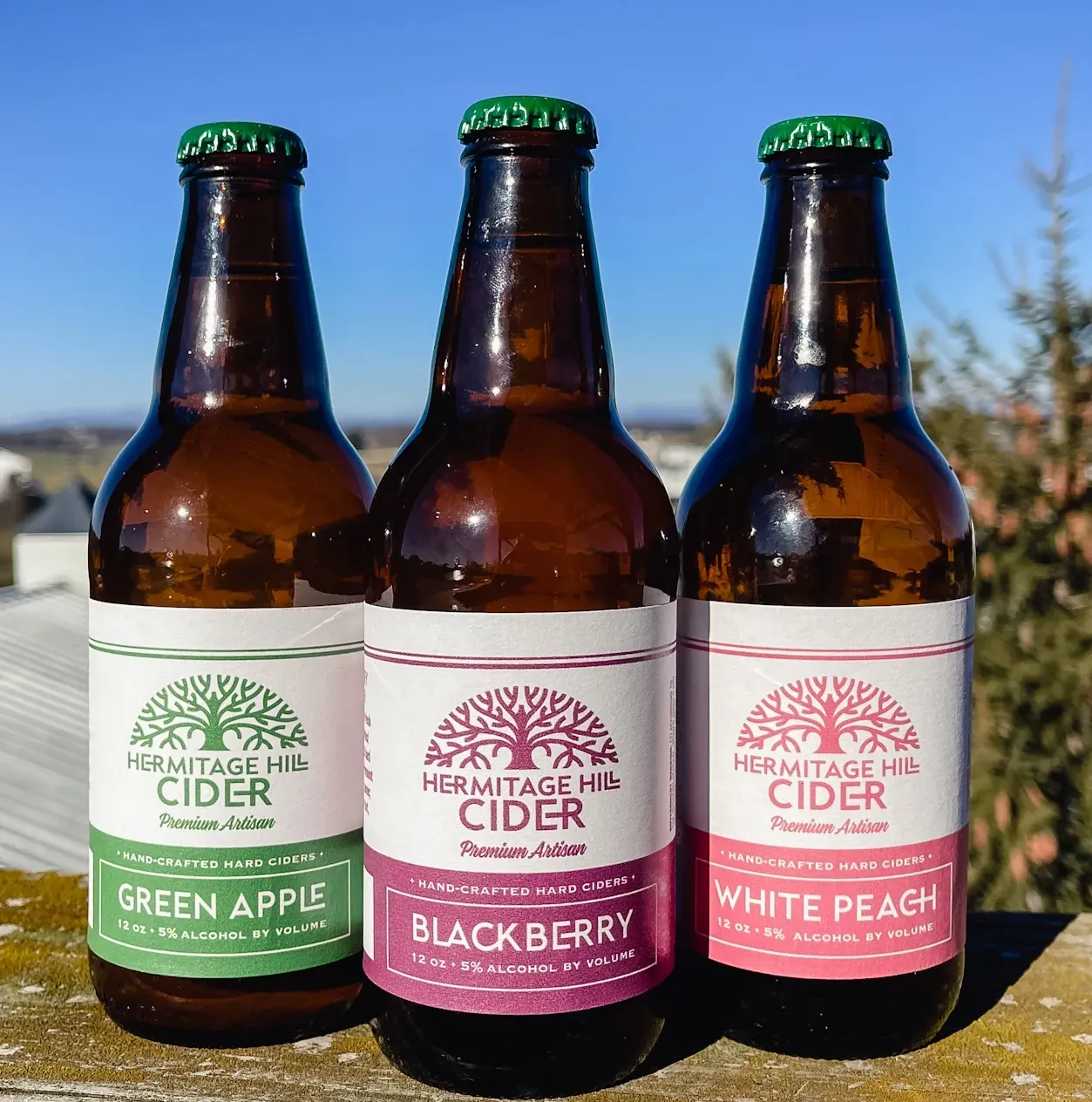
Cider tasting does not require a perfect vocabulary, a special occasion, or a serious face. It is simply a chance to slow down long enough to notice why one cider feels bright and refreshing while another feels soft, dry, fruity, or full. A few small pours side by side make those differences much easier to spot.
This guide gives first-time tasters a practical order to follow, the words that are worth knowing, and an easy way to choose the next pour. Use it at a tasting room, with a few bottles at home, or whenever a cider list gives you more options than you expected.
Start with one useful idea: cider has structure and flavour
When people say they like a cider, they may be responding to two different things. Structure is the feel and balance of the cider: sweetness, acidity, bubbles, body, bitterness, and tannin. Flavour is the aroma and taste you can name: fresh apple, baked apple, pear, citrus, berry, spice, blossom, or something earthy.
Separating those two ideas makes tasting less mysterious. A cider can smell intensely fruity but finish dry. Another can taste sweet without being heavy because lively acidity keeps it fresh. CiderHQ’s beginner guide makes the same helpful distinction between a cider’s structure and its flavour, and it is a useful habit when you are comparing pours.
You do not need to identify every note. Start with a simple sentence: “This is crisp and tart with fresh apple,” or “This is fuller, softer, and a little sweeter.” Those observations are enough to help you remember what you enjoyed and ask for a better next recommendation.
Set yourself up for a good comparison
A tasting works best when you remove a few distractions. Take small pours, use water between samples, and give yourself time. Strong coffee, spicy food, mint, smoke, and a rush to finish can all make it harder to notice subtle differences. That does not mean the experience needs to be precious. It means you will get more from a flight if you give each cider a moment.
If you have a choice of glassware, use a clear glass with some room near the top so aroma can gather. Look at the cider first, then smell it before your first sip. The British cider guide’s simple look, smell, and taste approach is a useful framework because it keeps the process approachable.
For a group tasting, write the names down before you start. A phone note is enough. After two or three samples, memory gets fuzzy and a quick note such as “dry, citrusy, great with food” is much more helpful than trying to reconstruct the whole evening later.

Look before you sip
Colour and clarity are not scorecards, but they provide context. Cider may range from pale straw to gold, amber, copper, blush, or a deeper brown. It can be brilliantly clear, slightly hazy, or deliberately cloudy. Bubbles may be delicate, lively, or absent in a still cider.
Notice what you see without jumping to a conclusion. A cloudy cider is not automatically sweeter, and a dark cider is not automatically stronger. Instead, use the appearance as the first clue in a larger picture. Does it look light and sparkling, calm and still, or rich and dense? After a few tastings, you will begin to connect those first impressions with the aromas and textures that follow.
If you are tasting a flight, compare the glasses while they are together. Differences are easier to notice side by side than one at a time. This is why a flight can be a better first step than committing to a full pour of an unfamiliar style.
Smell for families of aromas, not one perfect answer
Bring the glass close and take a gentle first sniff. Then give it a small swirl and smell again. You may notice fresh apple, ripe apple, apple peel, pear, citrus, berry, flowers, honey, spice, or a note that reminds you of a cellar or damp leaves. There is no prize for calling a flavour by the exact same name as the person beside you.
When the aroma feels hard to name, try a broader category. Is it fresh fruit, cooked fruit, floral, herbal, spicy, or earthy? That approach removes pressure and makes it easier to learn. The Campaign for Real Ale’s cider-tasting introduction is another clear resource for the basic skills of seeing, smelling, and tasting.
Be careful not to confuse aroma with sweetness. A cider that smells like ripe fruit may still finish dry. Let the smell set an expectation, then let the sip answer the question.
Taste in a calm order
Take a modest sip and let it move across your mouth before swallowing. Start with the first impression, then notice what changes. Is the cider dry, off-dry, or sweet? Does it feel tart and mouthwatering? Is there a gentle bitterness or a drying grip on the gums, sometimes called tannin? Are the bubbles creamy, prickly, or barely there? Does the flavour disappear quickly or stay with you after the sip?
Acidity is the bright, mouthwatering quality that can make cider feel crisp. Tannin is a drying, slightly grippy feeling, similar to the sensation some teas or red wines leave on the gums. Body describes whether the cider feels light, round, or fuller in the mouth. These are not quality grades. They are clues to the kind of cider you are drinking and the food it may suit.
Give the finish a moment. A quick, clean finish may make you want another sip. A longer finish may reveal spice, fruit skin, or a little pleasant bitterness. Your favourites may have very different flavour notes but share a structure you enjoy, such as bright acidity or a softer, fruit-forward finish.
Choose an order that lets each cider show up
When you can choose the sequence, move from lighter and drier to fuller, sweeter, fruitier, or stronger. There is no universal rule that fits every producer, but this order usually protects the delicate pours from being overwhelmed by a richer one. Water between samples helps reset your palate, and an unsalted cracker or a bite of neutral bread can help during a longer tasting.
A tasting room team can also help set the order. Tell them whether you usually prefer something dry and bright, juicy and fruit-forward, softly sweet, or familiar and easygoing. A good recommendation is not about proving that one style is superior. It is about helping you find the style that fits your taste right now.
For an outing built around more than one kind of drink, Stable Craft’s food and drink page gives your group a starting point, while the current tap list can help you see what is pouring before you arrive. That range matters when one person wants cider, another wants beer, and someone else is looking for a non-alcoholic option.
Pair the cider with the occasion, not just the menu
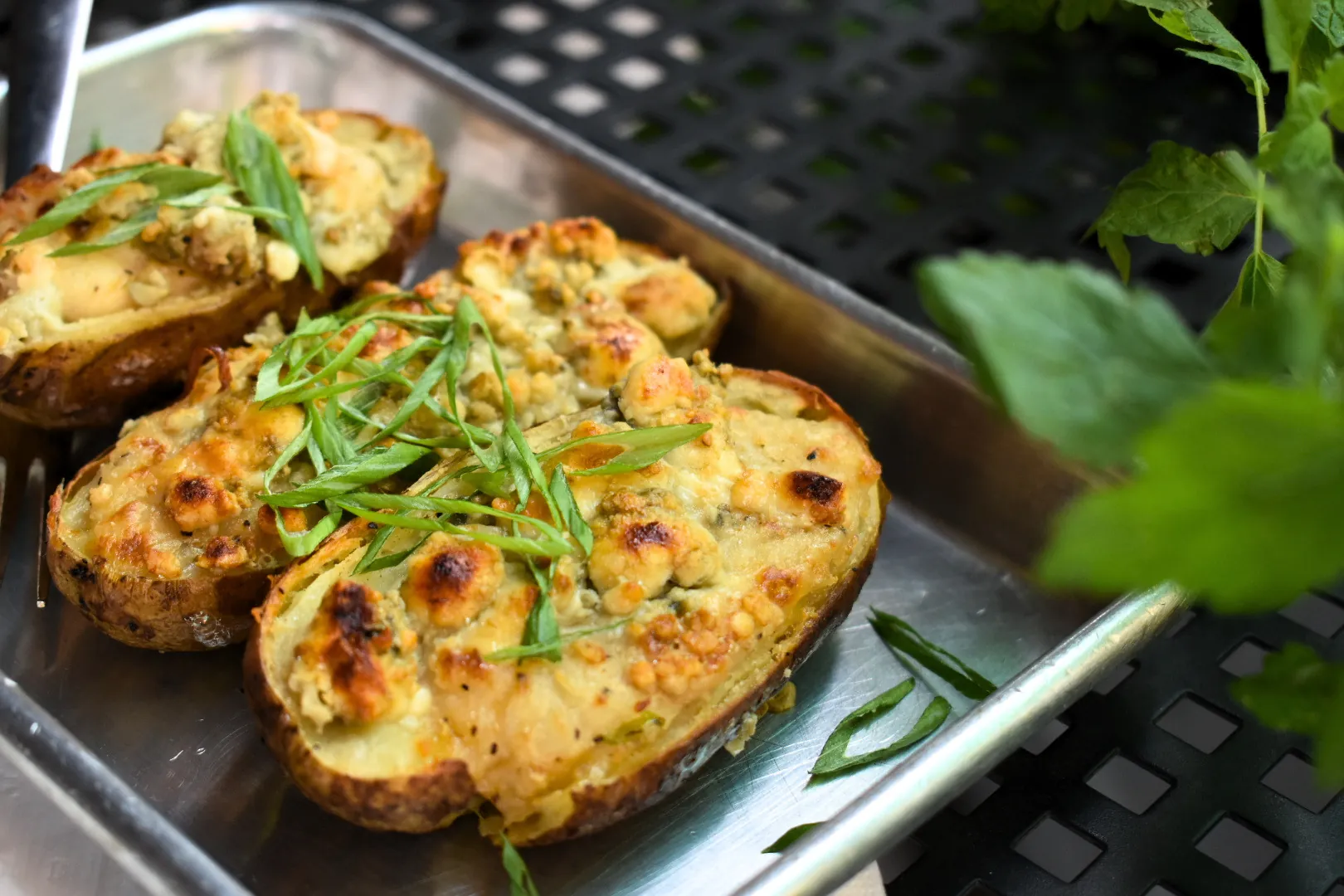
Food can make a cider easier to understand. Bright, acidic pours often feel at home with salty snacks, rich cheese, fried food, or something creamy because the acidity refreshes the palate. A fruit-forward cider can be a comfortable partner for spice or a lighter meal. A drier, more tannic cider may be especially interesting with a fuller dish. The exact match depends on the cider, so treat these as starting points rather than rules.
Try one small experiment instead of trying to solve every pairing at once. Take a sip before a bite, then take another after the food. If the cider suddenly seems fresher, fruitier, softer, or more balanced, the pairing is doing its job. If one taste overwhelms the other, switch to water and try a different pour or dish. That comparison is more useful than a rigid rule because it teaches you what your own palate prefers.
At a brewery or cidery, the best pairing may simply be the one that lets everyone at the table stay part of the same meal. Stable Craft brings together house beer, Hermitage Hill Cider, craft soda, and a farm-fresh food menu, so a group does not need to agree on one drink before it can agree on a good place to eat.
That is also why a tasting can fit an ordinary afternoon. Share a flight before dinner, choose a favourite for the meal, or make the cider part of a longer farm visit. The point is not to turn a casual pour into homework. It is to make the choice feel more confident and more enjoyable.
How Stable Craft can make a cider tasting easy
Stable Craft is a useful stop for a mixed group because cider is part of a wider day, not a separate plan that sends half the table elsewhere. You can check the events calendar, settle in for food and drinks, or add a relaxed round at the Cornhole Golf course when the group wants something to do between pours.
If you are planning a longer Shenandoah Valley weekend, make the tasting one part of the itinerary rather than the whole thing. The Shenandoah Valley brewery guide can help you shape the day, and Stable Craft’s overnight suites offer a convenient home base when you would rather not make the drive home the last part of the evening.
Ask the team what they recommend, especially if you are new to cider. Share one or two things you tend to enjoy in other drinks, then stay open to a small surprise. The most useful tasting note is often the simplest one: “I would order that again.”

A simple cider tasting checklist
- Start with small pours and water nearby.
- Look at colour, clarity, and bubbles before sipping.
- Smell for broad aroma families first.
- Notice sweetness, acidity, texture, and finish separately.
- Taste from lighter and drier toward richer or sweeter when possible.
- Write one short note about what you would order again.
Frequently asked questions
What should I look for when tasting cider?
Start with the balance of sweetness, acidity, bitterness or tannin, bubbles, body, and finish. Then name the fruit or other flavours you notice. There is no need to find the same words as anyone else; a useful note is simply one that helps you remember what you enjoyed.
Should cider be served very cold?
Chilled cider can be refreshing, but extreme cold can make aroma and flavour harder to notice. Let a cold pour sit for a moment, then take a few small sips as it opens up. The producer’s serving guidance is the best final reference for a specific cider.
What is the best order for a cider tasting?
Start with the lightest, driest, or most delicate cider and move toward fuller, sweeter, fruit-forward, or stronger pours. Water between samples keeps the comparison clearer, and a small snack helps when the tasting runs longer.
Do I need to know cider terms to enjoy a tasting?
No. Terms such as dry, tart, tannic, crisp, and fruity are useful shortcuts, not a test. Describe what you actually notice, ask one question at a time, and use the experience to find the styles you would order again.