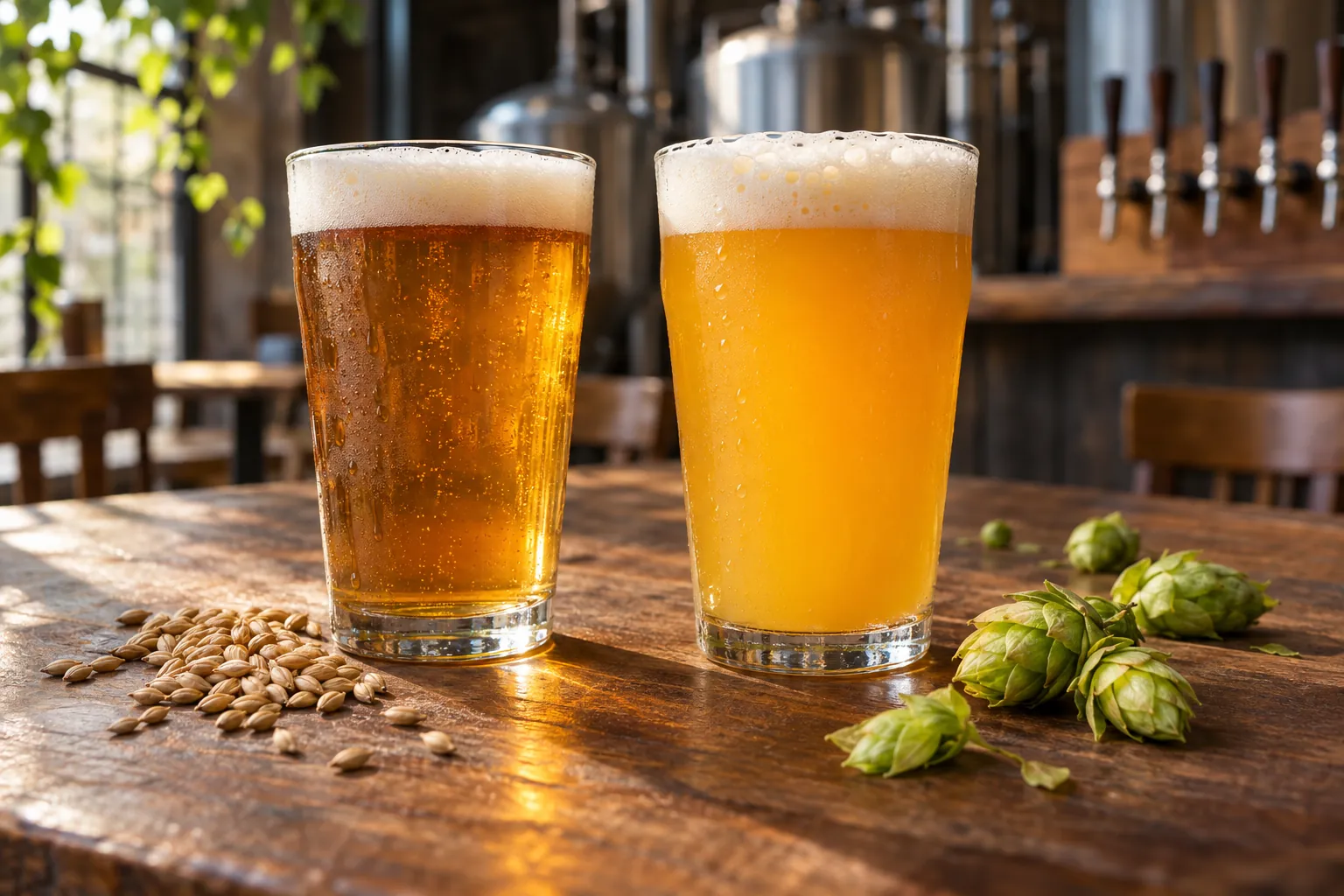
Pale ale and IPA are close relatives, which is exactly why a tap list can make them seem harder to choose between than they need to be. Both can be golden, aromatic, and built around hops. Both can bring citrus, pine, flowers, stone fruit, or tropical notes. The useful difference is usually one of emphasis: a pale ale often keeps malt and hops in a more even conversation, while an IPA generally lets hop character take the lead.
That does not mean pale ale is timid or IPA is automatically punishingly bitter. Modern brewers stretch both styles in interesting directions. The smartest way to order is to treat the style as a starting point, then use the flavour description, the alcohol percentage, and your own preferences to narrow the choice. Here is what to notice before your next pour.
The short answer: pale ale is balanced, IPA is hop-forward
A pale ale is usually designed to feel lively and flavourful without making one ingredient dominate every sip. You may notice fresh bread or biscuit from the malt, followed by hop notes that can be citrusy, floral, earthy, piney, or fruit-like. The finish may be bitter, but it often leaves room for the beer’s grain character and a sense of balance.
An IPA, short for India Pale Ale, generally turns that dial toward hops. Depending on the version, it can smell like grapefruit, orange peel, mango, peach, berries, pine needles, resin, or flowers. It may be drier, more aromatic, more bitter, or stronger than a pale ale. The Beer Judge Certification Program’s American IPA description calls for a hop-forward balance and a dryish finish, which is a useful way to think about the classic version.
In plain language: choose pale ale when you want hops with an easy middle ground. Choose IPA when you want the hop aroma and flavour to be the main event. Neither choice is more serious. They simply create different kinds of refreshment.
What pale ale usually tastes like
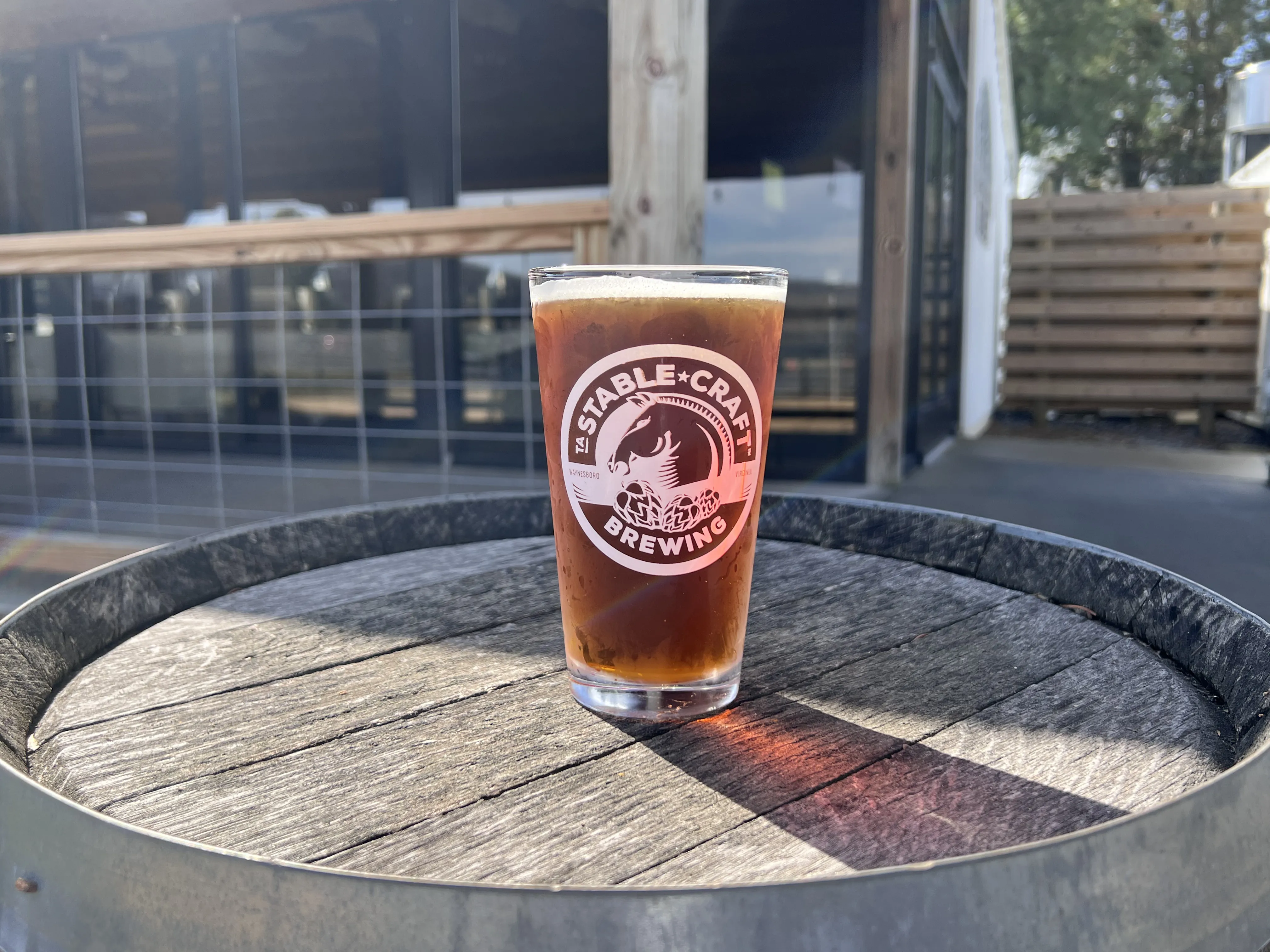
Pale ale is a broad family, not one fixed recipe. An English-style pale ale can lean bready, lightly caramel-like, floral, herbal, or gently earthy. An American pale ale may bring brighter citrus, pine, grapefruit, or tropical hop character. In both cases, the malt often gives the beer a soft base that keeps the finish from feeling too sharp.
The Brewers Association describes international-style pale ale as an easy-drinking, refreshing ale with distinctive hop aroma and flavour. Its current beer style guidelines also show why no single tasting note can define the category. Hop character can range widely, and different brewers will bring out different fruit, floral, herbal, or pine-like impressions.
For a guest choosing from a tap list, pale ale is often a good answer to: “I want something with flavour, but I do not want the bitterness to take over.” It can work well with a meal, an unhurried conversation, or a warm afternoon when you want a beer that stays interesting from the first sip to the last.
A pale ale is not a promise of low bitterness, though. A brewer may make one dry and snappy, soft and juicy, or more classically malt-led. If the notes mention citrus, tropical fruit, or resin, expect the hops to be clearer. If they mention biscuit, toast, caramel, or balance, expect malt to have more of a role. Those words are more useful than colour alone.
What IPA usually tastes like
IPA is also a wide family, and that variety matters. A classic West Coast IPA often feels dry, bright, and direct, with grapefruit, orange rind, pine, resin, or herbal notes and a firm bitter finish. A hazy IPA can smell intensely fruity but feel softer and rounder, with less sharp perceived bitterness. A session IPA may keep the hop aroma while staying lighter in alcohol. A double IPA often turns up both strength and intensity.
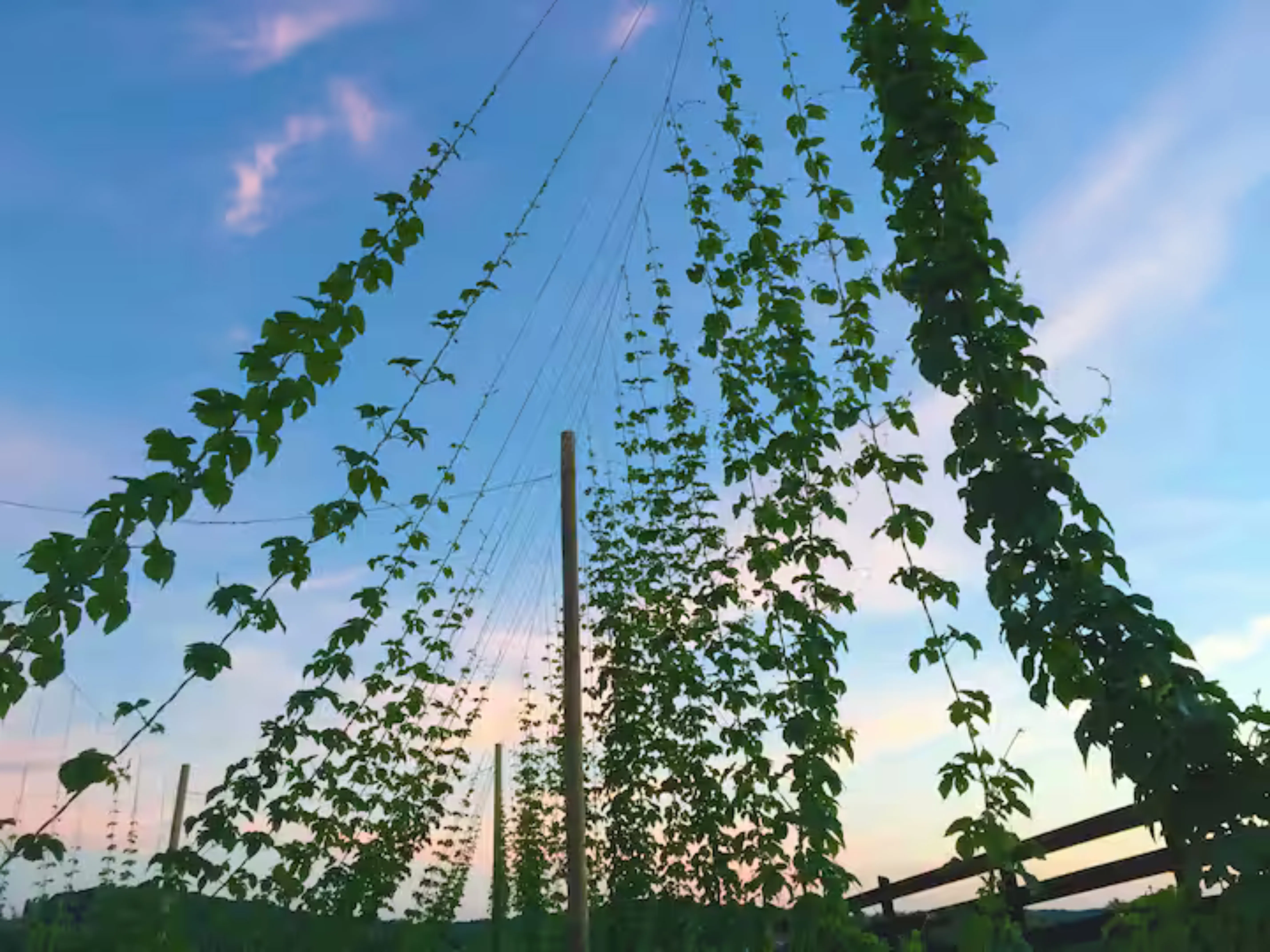
What connects those versions is a deliberate focus on hops. Hops contribute bitterness, but they also supply many of the aromas people associate with modern IPA: citrus, passion fruit, peach, melon, berry, pine, and flowers. The same flavour words can appear in pale ale, but an IPA usually presents them more loudly, with a more assertive finish or a bigger aroma.
The style’s history explains its name, but it does not tell you everything about today’s glass. Brewing traditions have evolved, and contemporary IPA can be clear or hazy, gentle or bold, dry or pillowy. If you have only tried one very bitter IPA and decided the style is not for you, a hazy, juicy, or lower-strength IPA may show you a different side of it. The existing IPA primer has more background on how the style grew and changed.
Bitterness is helpful, but it is not the whole story
It is fair to say that many IPAs are more bitter than many pale ales. It is not fair to use bitterness as the only prediction of how a beer will feel. Malt sweetness, carbonation, alcohol, water chemistry, hop aroma, and texture all change the experience. A hazy IPA can carry a substantial amount of hops and still taste rounded and fruit-forward. A lean, dry pale ale can finish more sharply than you expect.
IBU, or International Bitterness Units, measures certain bitter compounds from hops. It can be a useful reference, but it cannot tell you whether a beer will taste like mango, pine, toast, or grapefruit, and it cannot capture texture. Our beer IBU guide explains why two beers with similar numbers can feel quite different in the glass.
If you are sensitive to a sharp bitter finish, ask whether the beer is hazy, juicy, malt-balanced, or soft. If you enjoy grapefruit peel, black coffee, tonic water, or dry white wine, a crisper and more bitter IPA may be exactly the energy you want. The goal is not to learn a rule. It is to find the flavour direction that sounds good today.
Strength and body can separate them too
Many pale ales sit at a modest, easygoing strength, while many IPAs carry more alcohol. That pattern is useful, but it is not a law. A session IPA may be lower in alcohol than a strong pale ale. The alcohol by volume, or ABV, on a tap list is the reliable clue when you want to pace a longer meal, a flight, or an afternoon with friends.
Body matters as much as strength. A traditional pale ale may feel medium-light and crisp, with enough malt to make it satisfying. A West Coast IPA may feel lean and dry despite more alcohol. A hazy IPA can feel fuller and silkier, partly because of the grains, yeast, and hopping choices behind it. If you like a light, tidy finish, say so. If you want something plush and fruit-forward, say that instead. Both requests give a bartender a much better place to begin than simply asking for “an IPA.”
The BJCP style guidelines list a typical American IPA as more highly hopped and stronger than an American pale ale, but real beers exist on a spectrum. That is good news for anyone learning their taste. There is plenty of room between light lager and the biggest double IPA.
How to compare pale ale and IPA side by side
A side-by-side tasting makes the distinction much easier to notice. Start with the pale ale, take a small sip, and let it finish before trying the IPA. Pay attention to the order in which the flavours arrive. A pale ale may begin with a little bread or biscuit character before citrus or floral hops appear. An IPA may announce its aroma before the glass reaches your mouth, then leave a brighter, drier, or more persistent hop impression after the sip.
There is no need to hunt for a perfect answer. Try naming just one thing you notice in each beer: citrus, pine, peach, crackers, caramel, flowers, or a bitter edge. Then decide which finish you would rather return to for a second sip. That small observation is more useful than memorising style language, and it gives the team a helpful starting point the next time you order.
Keep water and a little food nearby, especially when comparing stronger beers. A few bites between pours reset the palate and make subtle differences easier to catch. If one beer feels more intense than you expected, that does not make it a bad choice. It simply tells you that a smaller taste, a slower pace, or the other style may fit this visit better.
Choose pale ale when you want this kind of pour
A pale ale is often a strong choice when you want hop character without making the beer a project. It can be a good fit if you enjoy citrus, fresh herbs, flowers, light toast, or gentle caramel, and you want those notes to feel connected rather than intense. It is also a comfortable bridge for someone moving from lager, wheat beer, amber ale, or cider toward more hop-focused styles.
- Choose pale ale for a balanced, easygoing beer with clear flavour.
- Choose it when you want something that can sit comfortably beside food.
- Choose it when you are curious about hops but prefer a gentler first step.
- Choose it when you want to notice malt as well as citrus, floral, or pine-like hop notes.
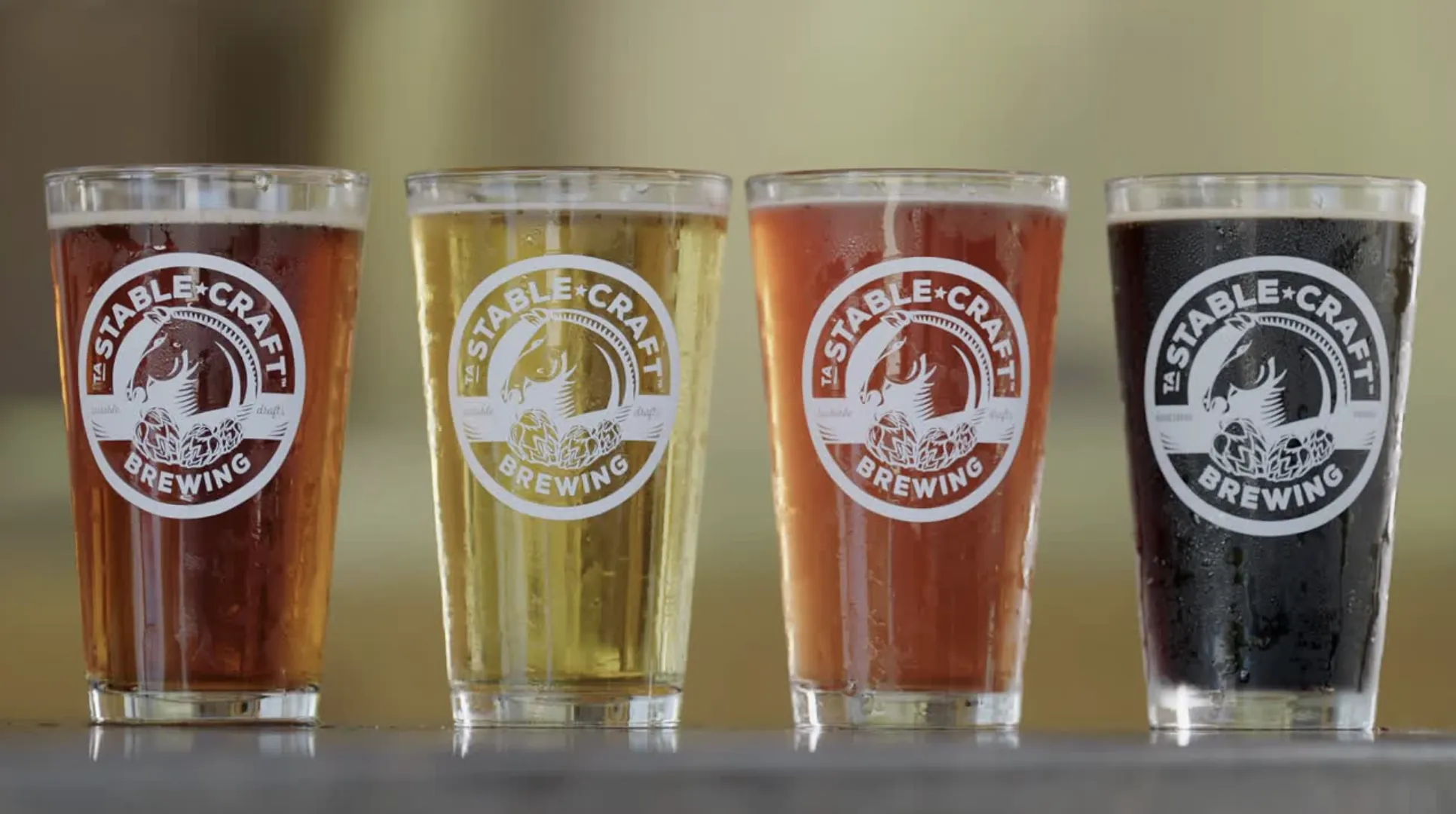
It is also a smart option for a tasting flight. Start with the pale ale before an IPA, then notice what changes: Is the aroma louder? Does the finish dry out? Does the bitterness arrive sooner or linger longer? A beer tasting flight turns that comparison into a relaxed experiment instead of a blind guess.
Choose IPA when you want this kind of pour
Choose IPA when hop aroma is what sounds fun. You might want bright citrus, tropical fruit, berry, peach, pine, or a dry and pleasantly bitter finish. A hazy IPA can be a good choice when you like fruit-forward aroma and a softer texture. A West Coast IPA can be the move when you enjoy a cleaner, more direct bitter edge. Neither is a test of experience, and neither needs to be the “correct” choice for every beer drinker.
- Choose IPA for a bigger hop aroma and a more assertive flavour profile.
- Choose a hazy IPA when tropical fruit and a softer texture appeal to you.
- Choose a West Coast IPA when grapefruit, pine, and a crisp finish sound good.
- Choose a session IPA when you want hop character at a lighter pace.
A food pairing can also steer the decision. Bright, bitter IPAs can cut through rich, fried, grilled, or salty dishes. A rounder, hazier IPA can play nicely with a spicy meal when you want fruit aroma without an aggressively dry finish. It is worth asking how the beer was intended to feel, then matching that answer to your meal and your mood.
Find your next hop-forward pour at Stable Craft
The easiest comparison is the one you can make in a real glass. Check the current tap list, then tell the team whether you are looking for balance, citrus, tropical fruit, pine, a softer finish, or more bitterness. That is enough information to begin. A small taste or a flight can take the pressure out of choosing between a pale ale and an IPA.
Turn the tasting into a full visit with something from the food and drink menu, or check the events calendar for a reason to stay awhile. The better beer is not the one with the biggest style name. It is the one that makes the meal, the table, and the day feel right.
A quick pale ale vs IPA checklist
- Start with the mood: balanced and easygoing, or bold and hop-forward.
- Read the tasting notes for fruit, pine, toast, floral, or bitter cues.
- Check ABV when you want a lighter or slower-paced pour.
- Ask whether the finish is crisp, dry, soft, or rounded.
- Try a taste or flight if both styles sound good.
- Have food and water nearby, and plan the ride home before the first round.
Frequently asked questions
Is pale ale less bitter than IPA?
Often, but not always. A pale ale usually gives malt and hop flavour a more even share, while an IPA is generally built to make hop aroma, flavour, and bitterness more noticeable. The description on the tap list and a quick question at the bar will tell you more than the style name alone.
Is pale ale stronger than IPA?
Usually the opposite is true. Many pale ales sit at an easygoing strength, while many IPAs have more alcohol. There are exceptions, including session IPAs and stronger pale ales, so the ABV is the better guide when strength matters to you.
Should a beginner start with a pale ale or IPA?
A pale ale is often a comfortable first step for someone who wants hop flavour without an intensely bitter finish. If you already enjoy grapefruit, pine, or tropical fruit flavours and want a bolder aroma, a hazy or fruit-forward IPA can also be a good fit. A small taste or a flight keeps the decision low pressure.
Can a pale ale taste like an IPA?
Yes. The boundary is flexible, especially in modern craft beer. A hop-forward pale ale can taste close to a session IPA, while a soft hazy IPA can feel less sharp than a classic West Coast IPA. Use the brewer’s tasting notes as a helpful guide, rather than expecting one fixed flavour from either name.