
IPA is short for India Pale Ale, but you do not need a history lesson or a list of hop varieties to enjoy one. The useful question is simpler: what does this particular beer taste like, and is it the kind of pour you want right now?
IPAs can be bright and bitter, soft and juicy, crisp and dry, or full of tropical-fruit aroma. This guide gives you a practical way to read the style and order with more confidence on your next brewery visit.
What makes an IPA an IPA?
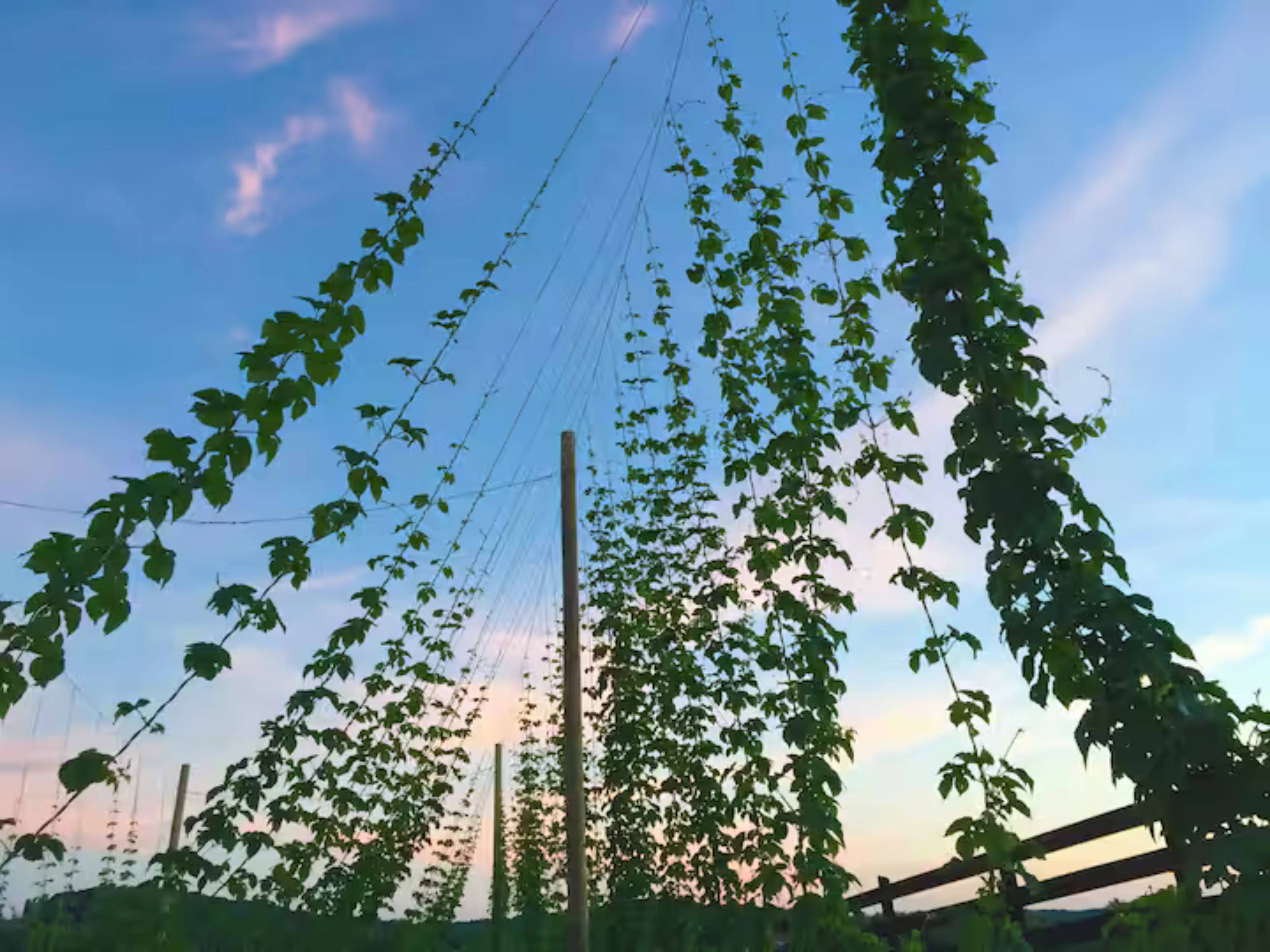
Hops are the defining ingredient. They can add bitterness, but they also bring aroma and flavor. Depending on the beer, you might notice citrus, pine, grapefruit, peach, passion fruit, flowers, or fresh herbs. Malt gives the beer body and balance, while yeast can shape how dry, smooth, or fruit-forward the finish feels.
That is why two IPAs can taste very different even when they have a similar color. One might be clean and brisk, another might smell like ripe fruit, and another might lean into a deeper malt finish. The style is broad on purpose, which makes a quick question at the bar more useful than a rulebook.
Three IPA styles worth knowing
A West Coast IPA is often clear, dry, and more firmly bitter, with citrus or pine-like hop character. A hazy IPA is usually softer in texture with fuller fruit-like aroma and a gentler bitterness. Double and imperial IPAs are typically stronger and fuller, best enjoyed at an unhurried pace with food and a clear ride-home plan.
Breweries vary, so a short menu description is still the best guide. If you like bright, fresh flavors, ask for an IPA that is citrus-forward or tropical. If you prefer something drier and more assertive, a clear, bitter-leaning IPA may be the better match.
Choose by flavor, not jargon
If you are unsure, say what you normally drink. A good server can translate “I like crisp beer” or “I do not want anything too bitter” into a sensible starting pour. A flight is useful when you are curious but do not want to commit to a full pint. Compare a small IPA sample with something lighter or maltier, then return to the one that still sounds good after the first few sips.
Our beer tasting flight guide can help you build a simple order for the table. Keep water and food within reach, and remember that everyone does not need to enjoy the same kind of drink for the group to have a good time.
Make it part of a better brewery visit
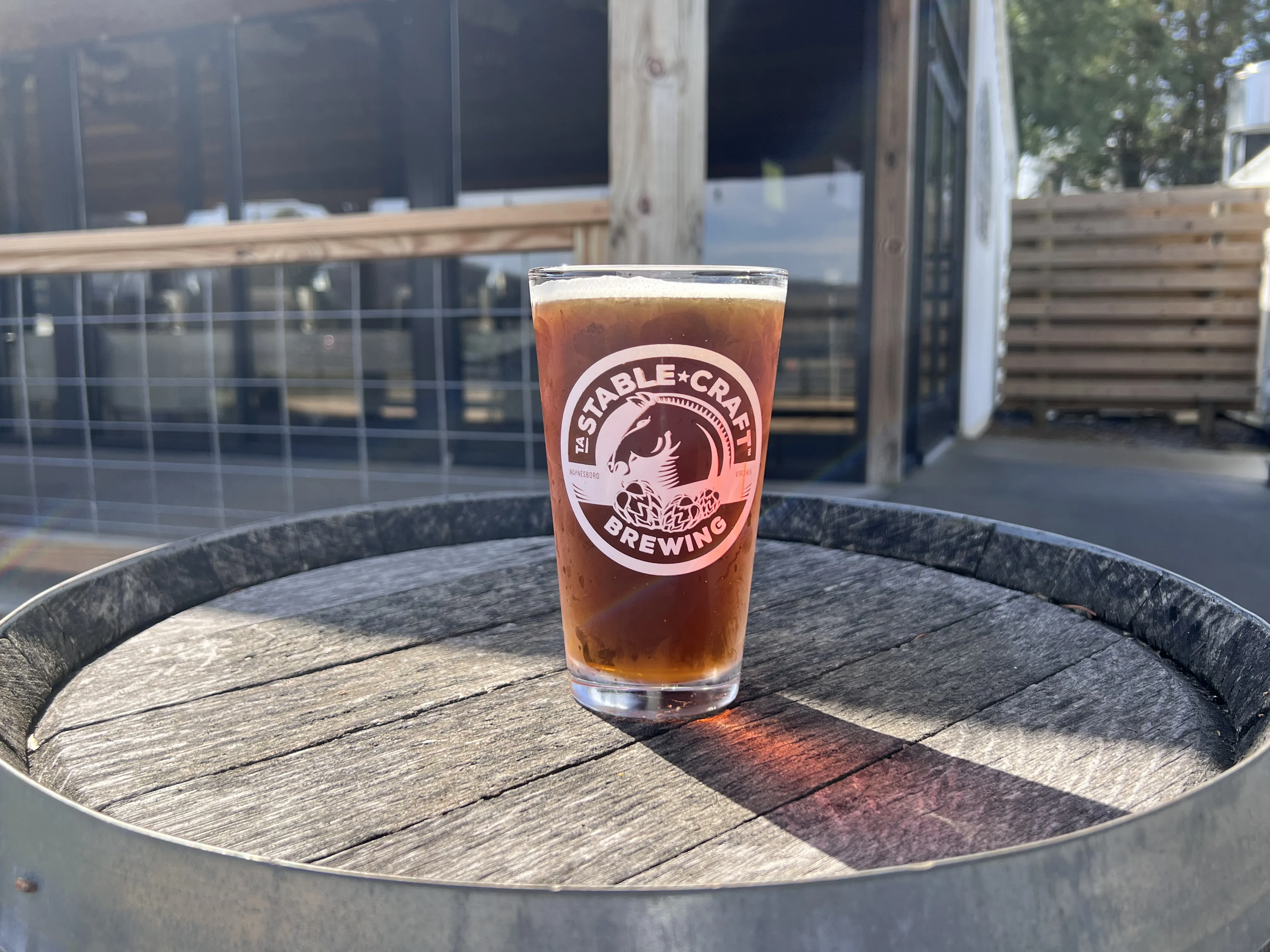
The current tap list is the best place to see what is pouring before you arrive, and the person serving you can tell you which IPA is tasting especially good that day. Pair a brighter IPA with a meal, take your time, and keep water on the table. A full visit is more enjoyable when the tasting, food, and conversation all get room to breathe.
Stable Craft offers house beer, Virginia cider, craft soda, and a full food menu, so everyone can settle into the same table without having to like the same drink. Explore the food and drink options, or use the current tap list to spot a pour worth asking about.
A simple IPA tasting checklist
- Start with the flavor you want: crisp, citrusy, tropical, bitter, or smooth.
- Ask which IPA on tap best fits that preference.
- Try a small sample or a flight if you are comparing styles.
- Enjoy food and water alongside the beer.
- Plan the ride home before the first pour.
Frequently asked questions
What does IPA stand for?
IPA stands for India Pale Ale, a hop-forward beer style. Today the name covers beers that range from crisp and bitter to soft, hazy, citrusy, and smooth.
Are IPAs always bitter?
No. Hops can bring bitterness, but they can also bring aromas and flavors such as citrus, pine, tropical fruit, flowers, or herbs. Many modern IPAs are aromatic rather than sharply bitter.
What is a good IPA for a first-time drinker?
Start with an IPA described as balanced, citrus-forward, or lower in bitterness. A tasting flight lets you compare a small sample before choosing a full pour.
