Beer lists can make a simple choice feel more complicated than it needs to be. You may see a style, an alcohol percentage, a few tasting notes, and an IBU number, then wonder whether that number is warning you away from the beer or helping you find it. IBU is useful, but it is not a taste score and it is not a promise that every beer with a certain number will land the same way.
The practical answer is to treat IBU as one clue in a bigger picture. Once you know what it measures, what it misses, and how different styles use hops, you can order with more confidence. Whether you love crisp pilsners, want to understand an IPA, or simply want to avoid a pour that feels too sharp, this guide gives you a better way to read the list.
What IBU means
IBU stands for International Bitterness Units. It measures the concentration of iso-alpha acids, compounds created when hop acids are heated during brewing. More of those compounds generally creates more potential bitterness. The scale is most useful as a technical reference, not as a universal flavor map. A 20 IBU beer and a 60 IBU beer have different measured bitterness, but the way they taste depends on what surrounds that bitterness.
Hops can do more than add bitterness. They can also bring aromas and flavors people describe as citrus, pine, tropical fruit, flowers, spice, or herbs. Brewers may add hops early in the boil for bitterness, later for flavor, or after fermentation for aroma. That is why a beer can smell intensely hoppy without tasting aggressively bitter, and why a plainly named pale ale may taste more balanced than its number suggests.
The Brewers Association style guidelines show how wide the range can be within familiar beer families. Style is a better first filter than IBU alone because it also tells you about malt, body, color, fermentation character, and the brewer’s intended balance.
Why the number does not always match the sip
Perceived bitterness is not a straight line. A dry, light-bodied beer can make even a modest amount of bitterness feel crisp and pointed because there is little sweetness or richness around it. A fuller beer with more malt can carry a higher IBU while tasting rounder, because caramelized grain, residual sweetness, and body soften the edge. Carbonation, serving temperature, and even the food you are eating can shift the impression again.
Alcohol matters, too. Higher alcohol can add warmth and a slight sweetness, changing how the hop character lands. Water chemistry can make a beer feel snappy and mineral or smooth and pillowy. Freshness also matters most for hop-forward styles. A beer designed around bright aroma may lose some of its lift over time, leaving a different balance than the brewer intended.
This is why two beers with the same IBU can feel wildly different. Think of the number like the salt level in a recipe. It affects the final dish, but it does not tell you the ingredients, texture, temperature, or how every flavor works together. The best question is not “How bitter is this number?” It is “What kind of beer is this trying to be?”
Use style as your first shortcut
If you prefer a clean, easy-drinking beer, start with the style description. Lagers, kölsches, wheat beers, and many blonde ales often use bitterness to keep the finish tidy rather than to dominate the palate. A light beer does not have to be bland. A modest bitter edge can make a crisp pour feel more refreshing, especially with food or on a warm afternoon.
Pale ales usually put hops more clearly at the center, but they can still be balanced. They often give you citrus, floral, or pine character with a moderate bitterness that is easier to approach than an aggressively dry IPA. If you are curious about hops but unsure about going all in, a pale ale can be an excellent middle ground.
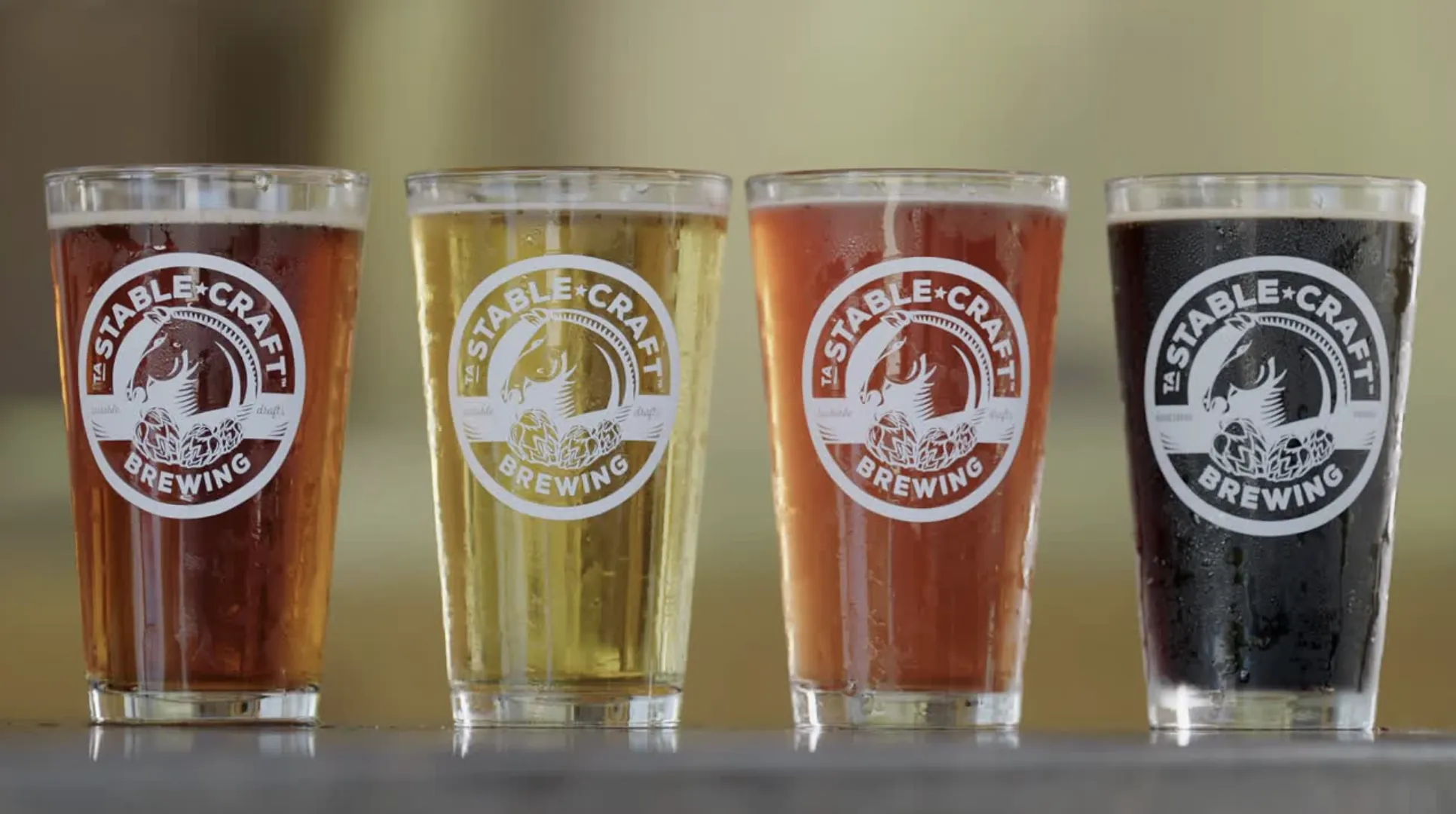
IPAs cover a large family. A classic West Coast IPA is often dry, bright, and more bitter, with flavors that lean toward citrus peel, pine, or resin. A hazy IPA may have a similar or even higher IBU while presenting softer texture and fruitier aroma. Neither is automatically better. The difference is what kind of experience you want from the glass.
A simple way to order when you are unsure
Start by naming what you already enjoy. If you like coffee, grapefruit, toast, peaches, or crisp sparkling drinks, that is more useful to a bartender than saying you are “not a beer person.” Mention whether you want something light, malty, fruity, dry, rich, or low in bitterness. Those preferences give the person serving you a clear direction.
Next, choose the commitment level that suits the moment. A small taste can be the right move when you are exploring a new style. A tasting flight lets you compare a few pours without turning the table into homework. Our beer tasting flight guide explains how to pace that experience so you can actually notice what you like.
Give yourself permission to change course. Taste preferences are personal, and no one earns points for forcing down a beer because its description sounded impressive. If the first pour is not your favorite, move toward a lighter style, a cider, or a craft soda. A good brewery visit is about finding the glass that fits your day, not proving anything to the menu.
Pair bitterness with food instead of fighting it
Food can make bitterness feel friendlier. Rich, salty, fried, or grilled dishes often give a crisp hoppy beer something to work against, while spicy food can make a high-bitterness pour feel sharper. A maltier beer may work beautifully with roasted flavors, while a bright cider can reset the palate between bites. There is no need to memorize a chart. Start with the broad contrast or complement that sounds good.
If you are ordering for a table, make the beer choice part of an easy meal rather than a test. Choose the food first when that is the priority, then ask for a beer that works with its richness, spice, or sweetness. Stable Craft’s food and drink options make it easy for a mixed group to build a meal around more than one kind of pour.
Water and pacing belong in the plan as well. Bitterness can seem more intense when you are thirsty or rushing through a pour. Eat something, alternate with water, and decide the ride home before anyone orders. The National Highway Traffic Safety Administration recommends planning a sober ride before drinking, which keeps the end of a good visit as relaxed as the beginning.
How Stable Craft can help you find your pour
At Stable Craft, the easiest starting point is the current tap list. Look for a style that matches the mood you are after, then ask about the beer’s balance instead of focusing only on the IBU. A bartender can help translate a number into the real question: will this pour feel crisp, juicy, malty, dry, or bitter on your palate?
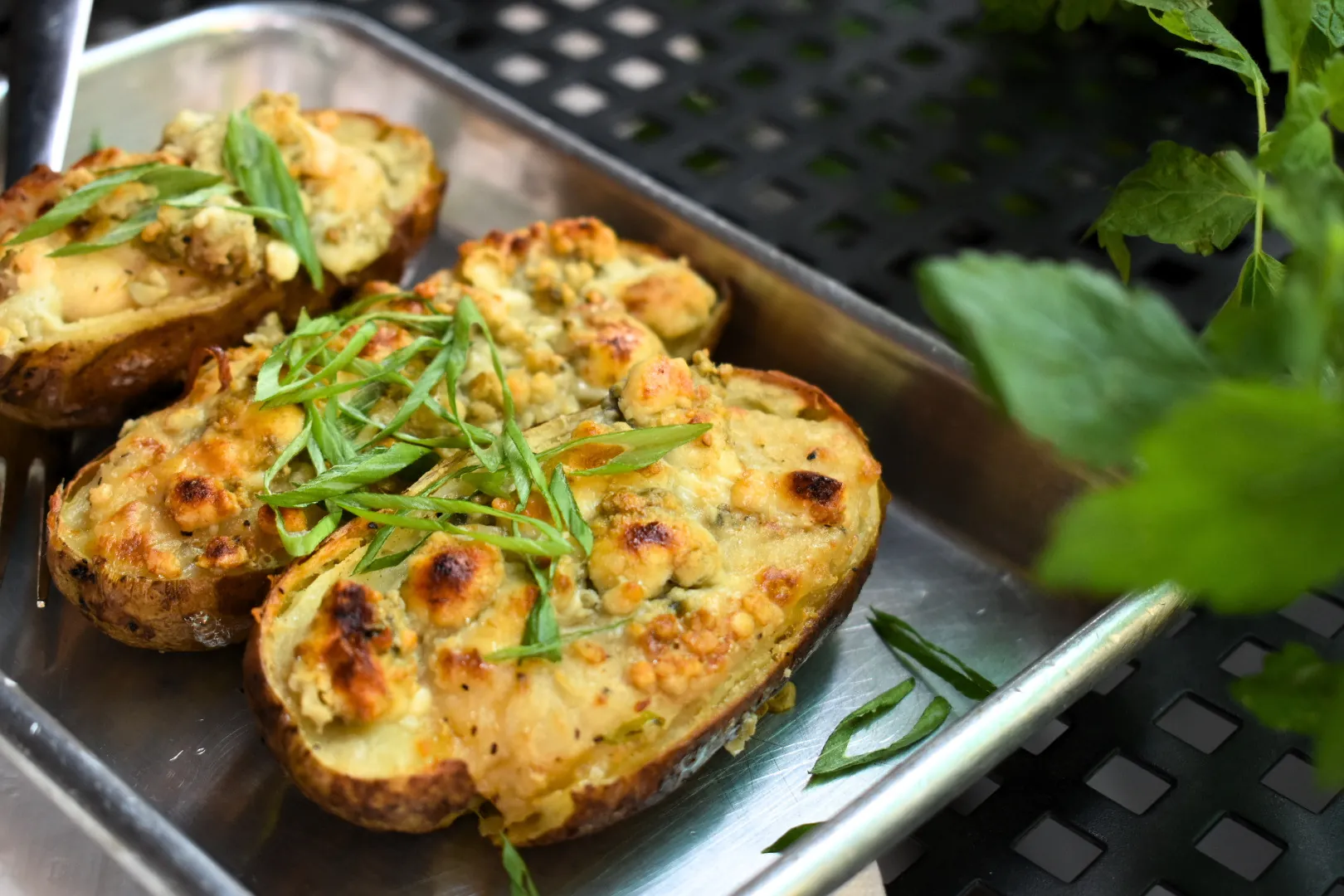
Guests can pair a pint with farm-fresh food, explore cider or craft soda, or settle in with a tasting flight when a few smaller pours make more sense. If you are making a full afternoon of it, browse the events calendar or add a round at the Cornhole Golf course. The point is not to chase a higher number. It is to find a good reason to linger.
Build your palate one comparison at a time
The fastest way to understand bitterness is not to memorize a range. It is to notice a contrast. On a future visit, try a lighter lager beside a pale ale, or a pale ale beside an IPA. Take a few unhurried sips of each and pay attention to the finish. Does the flavor disappear cleanly, stay bright on the sides of your tongue, or linger with a dry, grapefruit-like edge? Those observations teach you more than a number by itself.
Keep the comparison fair. Taste beers at a comfortable pace, use water between pours, and avoid deciding that one style is “good” or “bad” after a single sip. What feels sharp before dinner may feel exactly right beside a savory meal. A pour you would not choose on a cold evening may be perfect after a warm afternoon outside. Context changes taste, and that is part of the fun.
If you find a beer you enjoy, remember the reason in plain language. You might like crisp and dry, soft and juicy, bready and smooth, or bright with a little bite. The next time you are looking at a tap list, those words give you a useful path. They also make it easy for a bartender to recommend something new without guessing what “not too bitter” means to you.
Curiosity works better than bravado. You do not need to develop a taste for every style, and you do not need to start with the most intense option. Good beer exploration is simply a series of small, enjoyable comparisons that make the next choice easier.
Common IBU myths worth leaving behind
Myth: low IBU means no flavor. A low-bitterness beer can still offer grain, fruit, yeast, spice, or gentle hop aroma. Bitterness is one element of flavor, not the whole experience.
Myth: high IBU proves a beer is stronger. Bitterness and alcohol are different measures. A light-bodied IPA can be highly bitter without being especially high in alcohol, while a rich, strong beer can have modest bitterness.
Myth: a number is more reliable than your own taste. The number is useful context, but your palate is the final judge. If a beer described as balanced feels too bitter to you, that is useful information for your next choice. If you enjoy the bright finish of a higher-IBU beer, that matters more than whether it fits someone else’s idea of a beginner pour.
Use the list to start a conversation, not to end one. Good questions make the taproom easier to enjoy: What makes this beer feel balanced? Is the hop character more citrusy or piney? Could I try a small taste? Those are simple, practical questions, and they lead to better choices than chasing any one number.
IBU ordering checklist
- Use style and tasting notes before treating IBU as a verdict.
- Expect malt, body, aroma, and carbonation to change perceived bitterness.
- Ask for a small taste or flight when you are exploring a new style.
- Pair the beer with food and water, especially for a longer visit.
- Choose the ride home before the first round.
Frequently asked questions
What does IBU mean in beer?
IBU means International Bitterness Units. It is a laboratory measure of the bitter compounds contributed by hops. It is useful for comparing beers within a similar style, but it cannot tell the whole story of how bitter a beer will taste.
Does a higher IBU always mean a beer tastes more bitter?
Not always. Malt sweetness, alcohol, carbonation, acidity, aroma, and the beer's overall balance can make a higher-IBU beer feel softer than a lower-IBU beer. Use the number as one clue, then consider the style and ask what the brewer intended.
What is a good IBU for a beginner?
There is no single best number. Many people new to bitter beer find a lighter lager, wheat beer, blonde ale, or fruit-forward cider easier to start with. A small tasting pour is a better first step than choosing a beer by IBU alone.
Why do hazy IPAs sometimes taste less bitter than their IBU?
Hazy IPAs often lean into tropical hop aroma, softer water chemistry, a fuller mouthfeel, and lower perceived bitterness. The measured hop compounds can be substantial while the overall impression stays juicy, rounded, and less sharp than a classic West Coast IPA.