If you have ever wondered what beer tastes like, the honest answer is: it depends. Beer can be crisp and clean, soft and citrusy, toasty and smooth, dark and coffee-like, tart and bright, or pleasantly bitter. Asking whether you like beer is a little like asking whether you like bread, coffee, or wine. The category is broad. The useful question is which flavors and textures make you want another sip.
A good first pour does not need to be intense or impressive. It simply needs to meet you where your taste already is. This guide translates the most common beer flavors into plain language, gives you a few easy style shortcuts, and shows how to try something new without making the moment feel like homework.
Beer can taste crisp, bready, fruity, roasty, or bitter
Most beer begins with four familiar building blocks: water, malted grain, hops, and yeast. Malt is the source of many flavors people describe as bread, crackers, toast, caramel, chocolate, or coffee. Hops can contribute bitterness as well as aromas that suggest citrus peel, pine, flowers, herbs, or tropical fruit. Yeast can bring fruit, spice, or a clean neutral character. The way those pieces balance is what makes one beer feel easygoing and another feel bold.
The Beer Judge Certification Program organizes beer descriptions around appearance, aroma, flavor, and mouthfeel. Its style framework is a useful reminder that taste is more than sweetness or bitterness alone. Aroma changes what you expect before the sip. Carbonation and body change how the beer moves across your palate. The finish tells you whether the flavor disappears cleanly, lingers warmly, or leaves a drying hop edge.
You do not need a trained palate to notice those things. Start with ordinary words. Does the beer feel light or rich? Does it remind you more of fresh bread, orange zest, roasted coffee, or sparkling water? Does the finish feel clean, sweet, dry, or bitter? Those answers are already useful tasting notes.
What malt brings to the glass
Malt is barley or another grain that has been prepared for brewing. In lighter beers, it often reads as a soft grain, cracker, biscuit, or fresh bread note. In amber beers, it may become toast, honey, or caramel. As malt is roasted more deeply, it can bring cocoa, coffee, dark bread, and gently smoky flavors. A dark beer does not automatically taste heavy or sugary, just as a pale beer does not automatically taste plain.
If you enjoy toast at breakfast, toasted nuts, coffee, chocolate, or caramelized foods, malt-forward styles can be a comfortable place to start. Think amber ale, brown ale, porter, or stout, then ask whether the particular pour is lighter and dry or richer and fuller. The color is only a clue. The description and the person pouring it can tell you more about the balance.
What hops do, beyond bitterness
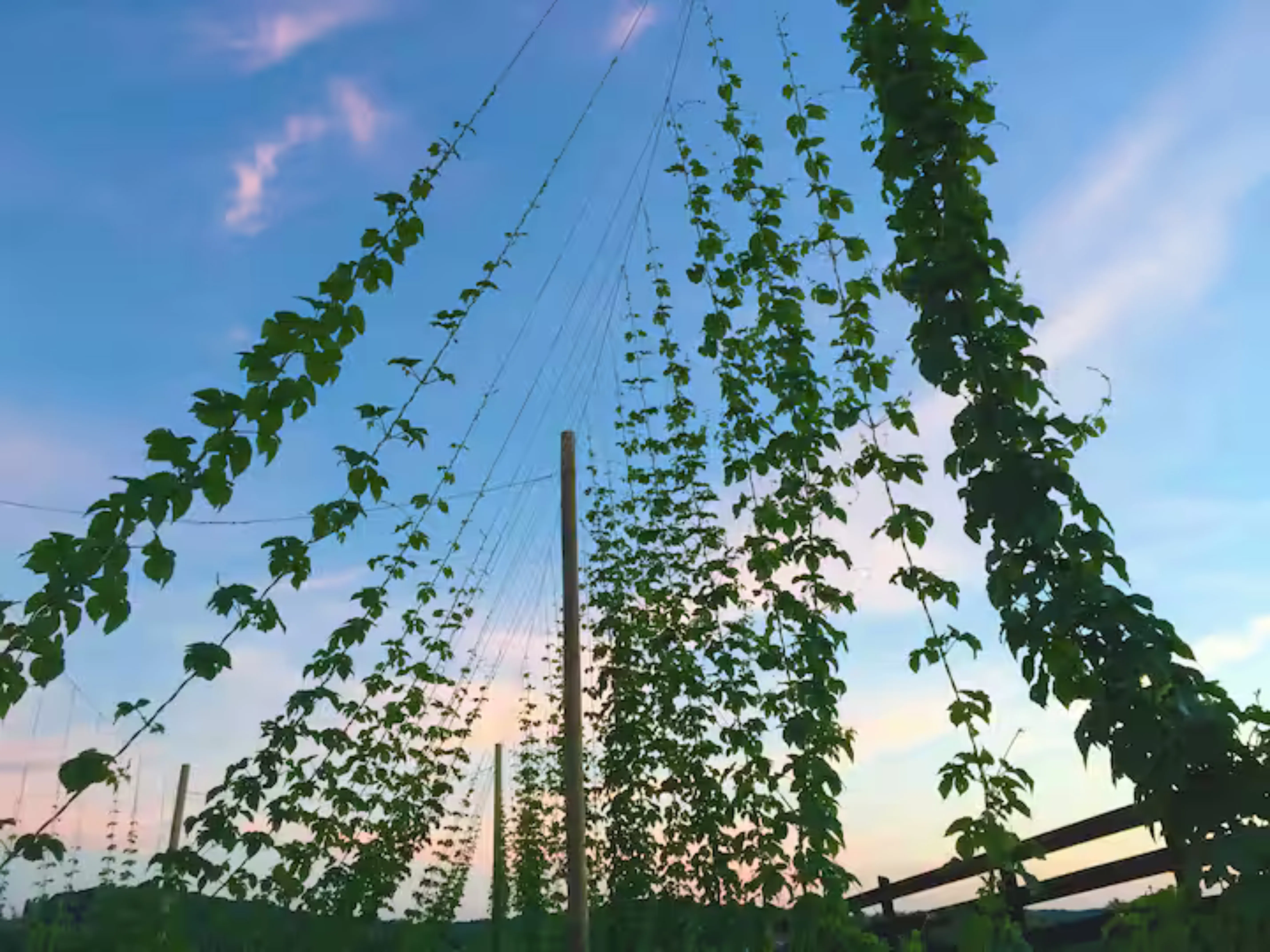
Hops are often introduced as the bitter part of beer, but that is only part of their job. They can create bright aromas that people describe as grapefruit, orange, mango, peach, pine, flowers, or herbs. The Brewers Association’s beer style guidelines show how hop character can range from low and subtle to central to a style’s identity.
Bitterness itself is not a defect. In the right place, it can make a beer feel refreshing, sharpen a rich malt flavor, or clean up the finish after a bite of food. If you dislike grapefruit peel, black coffee, or tonic water, a sharply bitter beer may not be your best first choice. If you enjoy those flavors, a pale ale or IPA might be more approachable than you expect. The trick is choosing the kind of hop character you want, not treating every hoppy beer as identical.
The number listed as IBU can help describe measured bitterness, but it cannot predict the whole sip. Malt sweetness, texture, carbonation, aroma, and alcohol all change perception. Our guide to beer IBU explains why two beers with a similar number can taste dramatically different.
Yeast, bubbles, and body change the experience
Yeast turns the brewing sugars into alcohol and carbon dioxide, but it also shapes flavor. Some beers stay very clean and neutral. Others show banana, clove, pepper, pear, apple, or stone-fruit-like notes. Those comparisons usually describe fermentation character, not an added fruit ingredient. This is one reason a wheat beer can feel soft and lively while a lager can feel crisp and streamlined.
Then there is mouthfeel, which simply means how the beer feels in your mouth. A beer can be light, medium, or full-bodied. It can be snappy with bubbles, creamy, silky, dry, or warming. A low-alcohol lager may feel light and bright, while a stout can feel smooth and round. Neither is more serious. They are different kinds of refreshment.
Serving temperature matters too. Colder beer feels crisper and can hide some aroma. As it warms a little, more malt, hop, and yeast character becomes noticeable. Take one sip when the pour arrives and another a few minutes later. You may find that what looked like one simple flavor opens up without any special technique.
Easy style shortcuts for finding your first beer
If you want something crisp and light: Start with a lager, pilsner, kölsch, or blonde ale. These often feel clean and refreshing, with a gentle grain flavor and a tidy finish. They are useful choices when you want a beer that works easily with conversation, warm weather, or a meal.
If you want soft fruit and less sharp bitterness: Ask about a wheat beer, hazy pale ale, or a fruit-forward cider. Wheat styles can be smooth and softly citrusy or spicy, while hazier hop-forward beers often lean toward juice-like aroma and a rounder mouthfeel. Cider is also a smart choice when you want a different kind of fruit and acidity in the glass.
If you like toast, caramel, coffee, or chocolate: Try an amber ale, brown ale, porter, or stout. These styles give malt more room to speak. Ask whether the beer is dry and roasty or sweeter and richer, since two dark beers can take you in very different directions.
If you enjoy grapefruit, pine, or a bitter finish: Try a pale ale or IPA. A pale ale is often a comfortable bridge into hop flavor. A West Coast IPA is usually more dry and pointed, while a hazy IPA may feel softer and fruitier. The beer tasting flight guide is a useful next step if you want to compare those differences side by side.
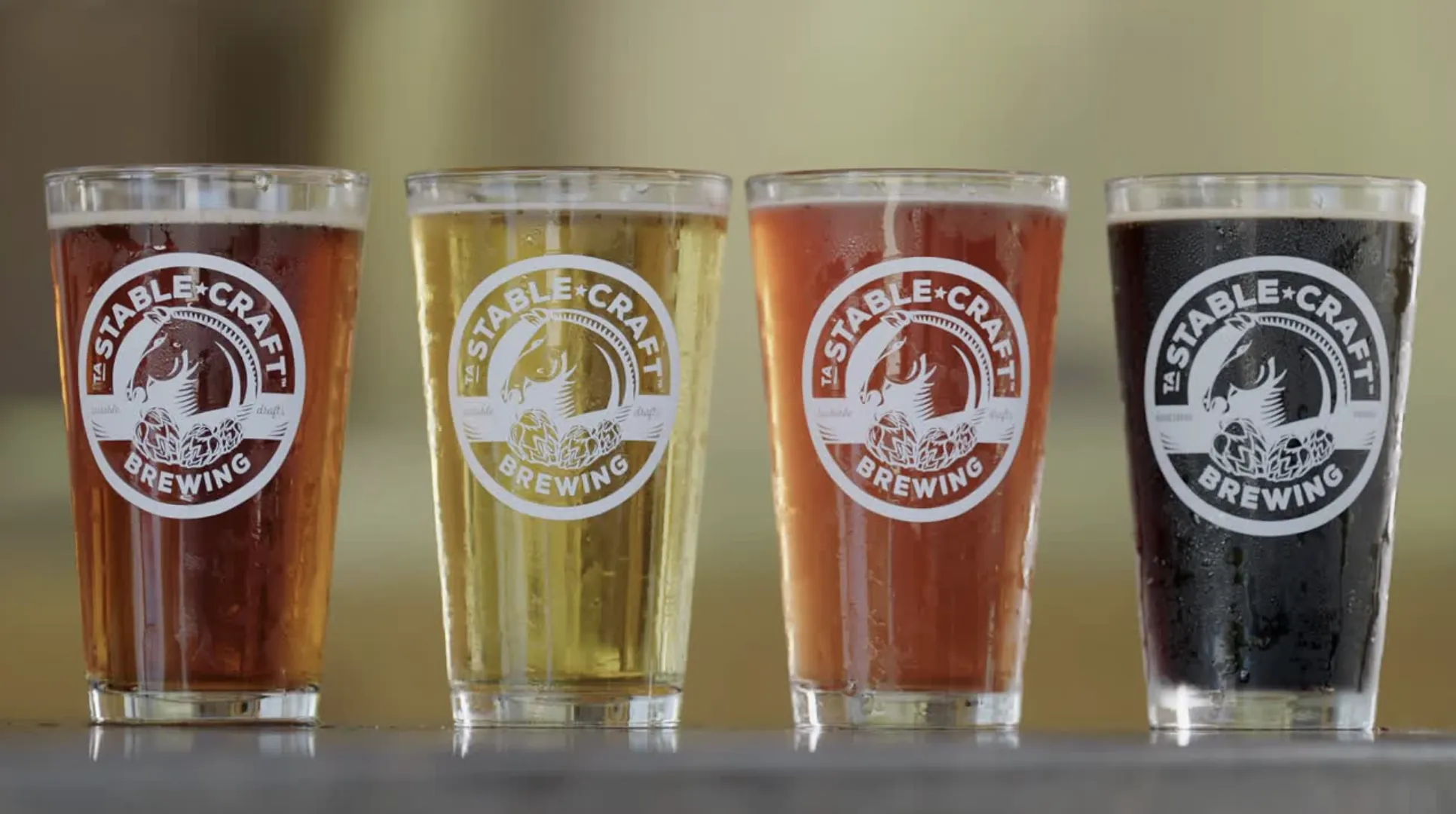
Why a first sip can feel unfamiliar
Beer can seem strange at first because it combines a few sensations that many soft drinks keep separate: grain flavor, carbonation, fermentation character, and a bitter or dry finish. That does not mean you have to train yourself to enjoy the most intense version. It only means your first comparison may be more useful than your first verdict. A sip of a bright lager, a maltier amber ale, and a fruit-forward cider can quickly show you which direction feels natural.
Context changes the experience as well. A crisp beer after time outside can feel different from the same beer at a heavy dinner. A darker beer that seems rich on its own may come into focus beside a savory meal. Give a new pour two or three unhurried sips, then ask yourself one simple question: would I want another? If the answer is no, move to a different flavor family. There is no prize for finishing a glass that does not suit you.
It also helps to separate “not my style” from “bad beer.” A dry, bitter IPA may be beautifully made and still not be what you want that day. A light lager may be exactly right when you want refreshment rather than intensity. Knowing that distinction makes a brewery list feel friendlier, because you can choose by mood and preference instead of assuming there is one correct order.
A better way to order when you are unsure
Instead of saying you are not a beer person, name a flavor or drink you already enjoy. You might say: “I like crisp white wine,” “I prefer coffee to sweet drinks,” “I enjoy grapefruit,” or “I do not love bitter finishes.” That gives a bartender something specific to work with. You are not expected to know every style, and a good recommendation starts with your own preferences.
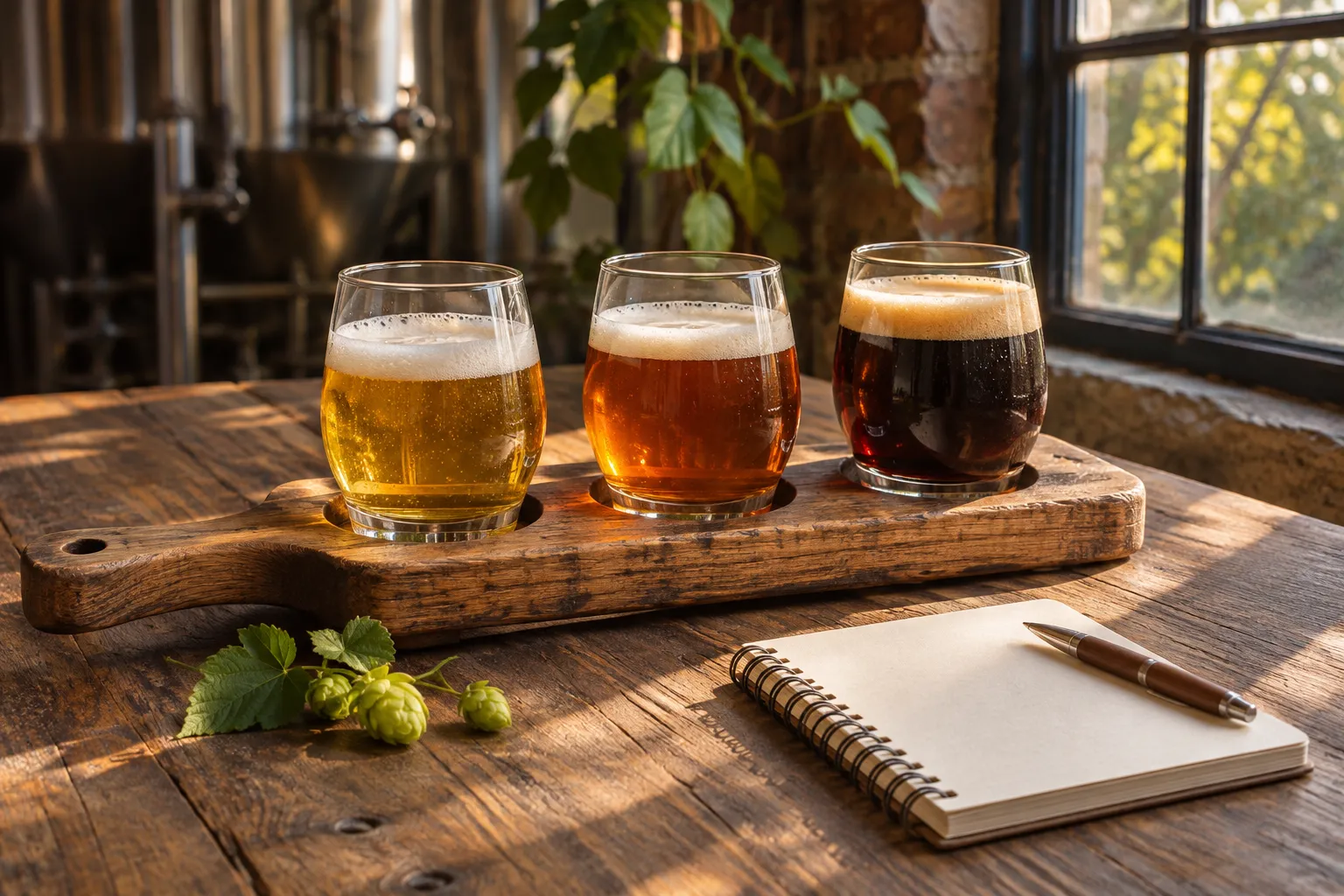
A small taste is a practical, low-pressure choice when you are curious. A flight works well when you want to compare a few directions, moving from lighter and crisper toward richer, sweeter, or more bitter pours. Drink water, have food nearby, and go at a comfortable pace. You are looking for a pattern, not trying to pass a test.
If the first pour does not land, that is useful information, not a failed choice. Move toward less bitterness, more malt, brighter fruit, a lighter body, or another drink category. A tap list should be an invitation to explore, not a dare.
Pair the flavor with the moment and the food
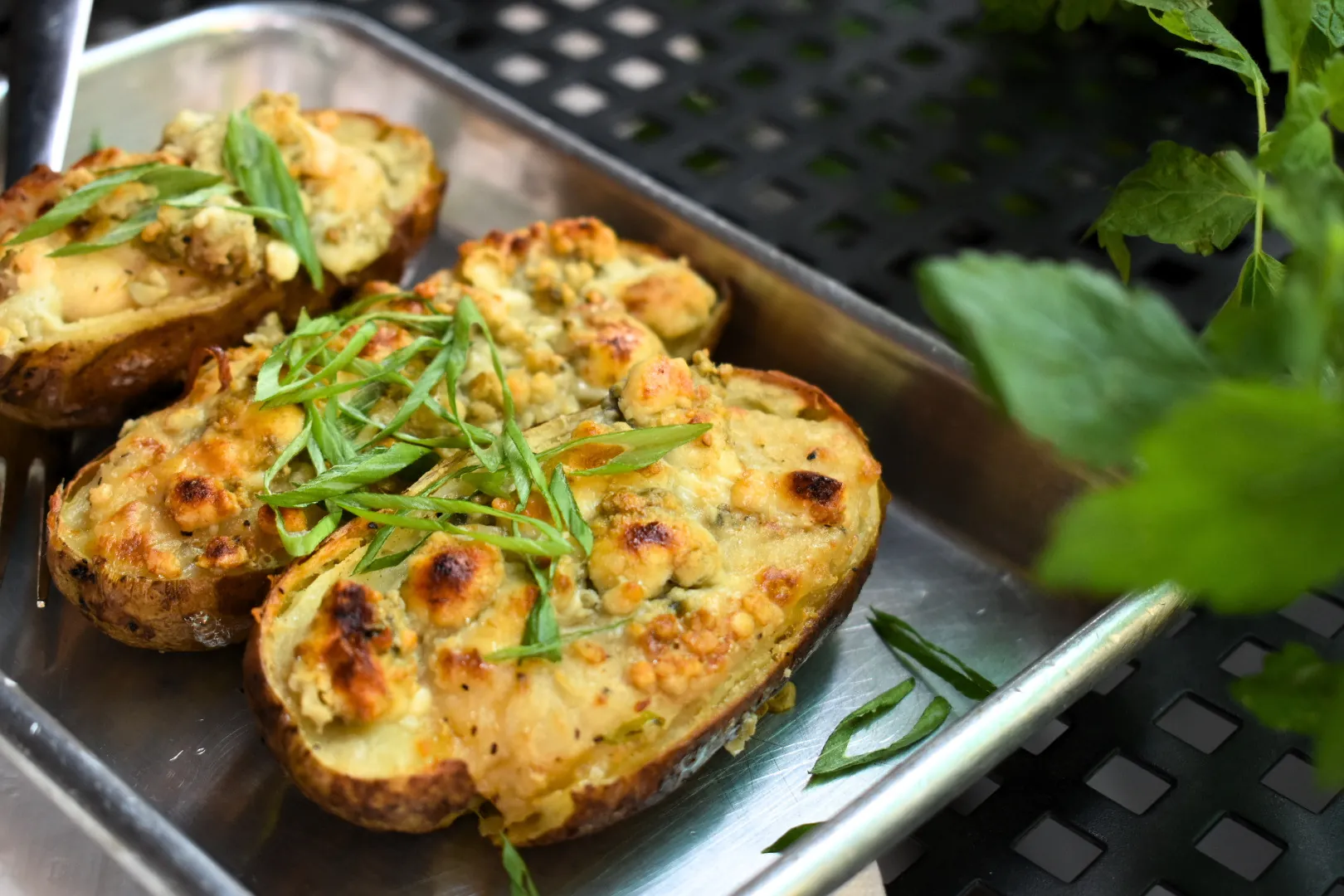
Beer rarely exists in a vacuum. A crisp lager can feel especially good with salty fries, a rich porter can work beautifully beside a hearty meal, and a bright hop-forward beer can cut through something fried or grilled. Spicy food can make bitterness feel more intense, so a softer beer or cider may be a better fit when heat is the main event. Start with the food or the mood, then choose a pour that supports it.
At Stable Craft, you can check the current tap list before visiting, then make an easy meal of it through the food and drink options. A mixed table does not need to order the same thing. Beer, cider, and craft soda give everyone a comfortable place to start.
Pace is part of taste, too. Food and water help you notice the beer rather than rushing past it, and a sober ride should be planned before the first pour. The National Highway Traffic Safety Administration recommends making that decision before drinking, which keeps a tasting or meal easy from start to finish.

Find your taste at Stable Craft
Stable Craft is a comfortable place to turn curiosity into a preference. Start with the current tap list, then ask the team for something crisp, malty, fruity, dry, or gently bitter. A flight can make the comparison easy, and farm-fresh food gives every pour a little more context. No one needs to begin with the strongest or most unfamiliar option.
Once you find a flavor direction you enjoy, the next visit gets simpler. Pair a pour with a meal, check the events calendar for a reason to linger, or make an afternoon of it with a round at the Cornhole Golf course. The best beer is not the one with the most complicated description. It is the one that makes the day better.
Your first-beer tasting checklist
- Choose one familiar flavor you enjoy outside of beer.
- Ask for a style that leans crisp, malty, fruity, or gently bitter.
- Try a small taste or flight before committing to a full pour.
- Notice the body and finish as well as the first flavor.
- Have food and water nearby, and plan the ride home first.
- Remember the words that describe what you liked for next time.
Frequently asked questions
What does beer taste like for the first time?
A first beer often tastes crisp, bready, lightly sweet, bitter, or a little dry at the finish. The exact experience depends far more on the style than on beer as a category. A light lager, wheat beer, amber ale, IPA, and stout can feel like completely different drinks.
Is all beer bitter?
No. Most beer has at least some bitterness from hops, but it can sit quietly in the background or take center stage. Malt-forward beers can feel toasty, bready, caramel-like, or chocolatey, while wheat beers and many hazy styles can feel soft and fruity.
What beer should I try if I do not like bitter drinks?
Ask for a crisp lager, wheat beer, blonde ale, amber ale, or a fruit-forward cider, depending on what you usually enjoy. A small taste or a flight is a low-pressure way to compare a few options before committing to a full pour.
Why does beer sometimes taste like fruit, coffee, or bread?
Those impressions can come from beer ingredients and fermentation. Hops can suggest citrus, tropical fruit, pine, or flowers. Malt can evoke bread, toast, caramel, chocolate, or coffee. Yeast can add fruit or spice notes. The beer does not need to contain those foods for the comparison to make sense.