

An IPA is not one fixed taste. It is a broad family of hop-forward beers, and that is why one person can love a soft, peachy hazy IPA while another reaches for a crisp, piney West Coast pour. The letters on the tap list are a useful clue, but the style name alone does not tell you whether the beer will feel sharp, juicy, dry, strong, or easygoing.
The easiest way to approach an IPA is to start with your own taste. Do you enjoy grapefruit, orange peel, fresh herbs, tropical fruit, a dry finish, or a little bitterness? Do you want one relaxed pint with lunch, or a smaller pour to savour? Once you know the few signals that matter, an IPA list stops looking like homework and starts becoming a good way to find your next favourite beer.
IPA means India Pale Ale, but the glass matters more than the name
IPA stands for India Pale Ale. The name belongs to British brewing history, but the useful modern definition is much simpler: an IPA puts hops at the centre of the flavour. Hops can bring bitterness, but they also bring aroma and flavour that people describe as citrus, pine, flowers, berries, melon, stone fruit, tropical fruit, spice, or resin.
That is why an IPA does not have to taste like a mouthful of bitterness. The Beer Judge Certification Program's IPA guidelines describe the common thread as a hop-forward balance with a dryish finish, while allowing plenty of variation in aroma, strength, clarity, and texture. A brewer can use hops early in the process for firmer bitterness, later for a more aromatic finish, or in several stages for a fuller hop character.
For a first-time drinker, that means it is more helpful to ask, “Is this one bright and dry, or soft and fruity?” than to ask whether IPAs are good. The answer depends on the particular beer and the kind of flavour you enjoy.
What makes an IPA taste the way it does?
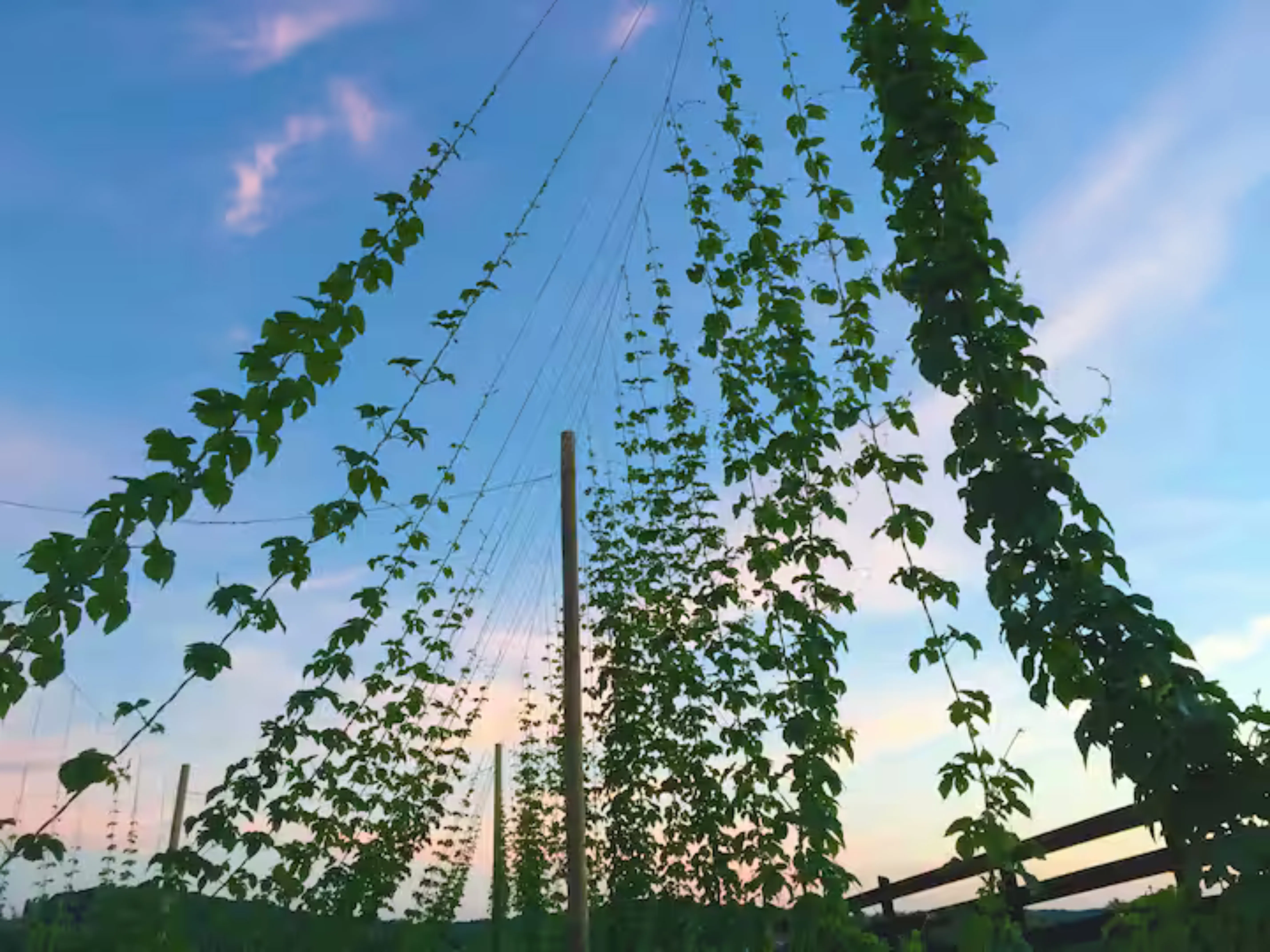
Hops are the headline, but an IPA's flavour is the result of several moving pieces. The hop variety and when it is added can move the beer toward grapefruit, lemon, passion fruit, peach, mango, pine, or a more herbal edge. Malt supplies the supporting body and a little sweetness, while yeast can leave the beer clean and crisp or help create a softer, fruit-forward impression.
Bitterness is only one part of the picture. The number often shown as IBU, or International Bitterness Units, measures bitter compounds in a beer. It can be a useful comparison when you are looking at similar styles, but it cannot predict every sip. A fuller malt base, residual sweetness, fruit-like hop aroma, and lower carbonation can make a beer with a higher IBU feel gentler than a drier beer with a lower number. Our beer IBU guide explains why the number is a starting point, not a tasting note.
Alcohol matters, too. A standard IPA is often stronger than a light lager, but there is a wide range. Session versions are made to be more moderate, while double and imperial versions are usually richer and stronger. The best move is not to guess from the name. Check the ABV on the menu or ask the team for a pour that fits the pace of your visit.
Know the four IPA styles you are most likely to meet
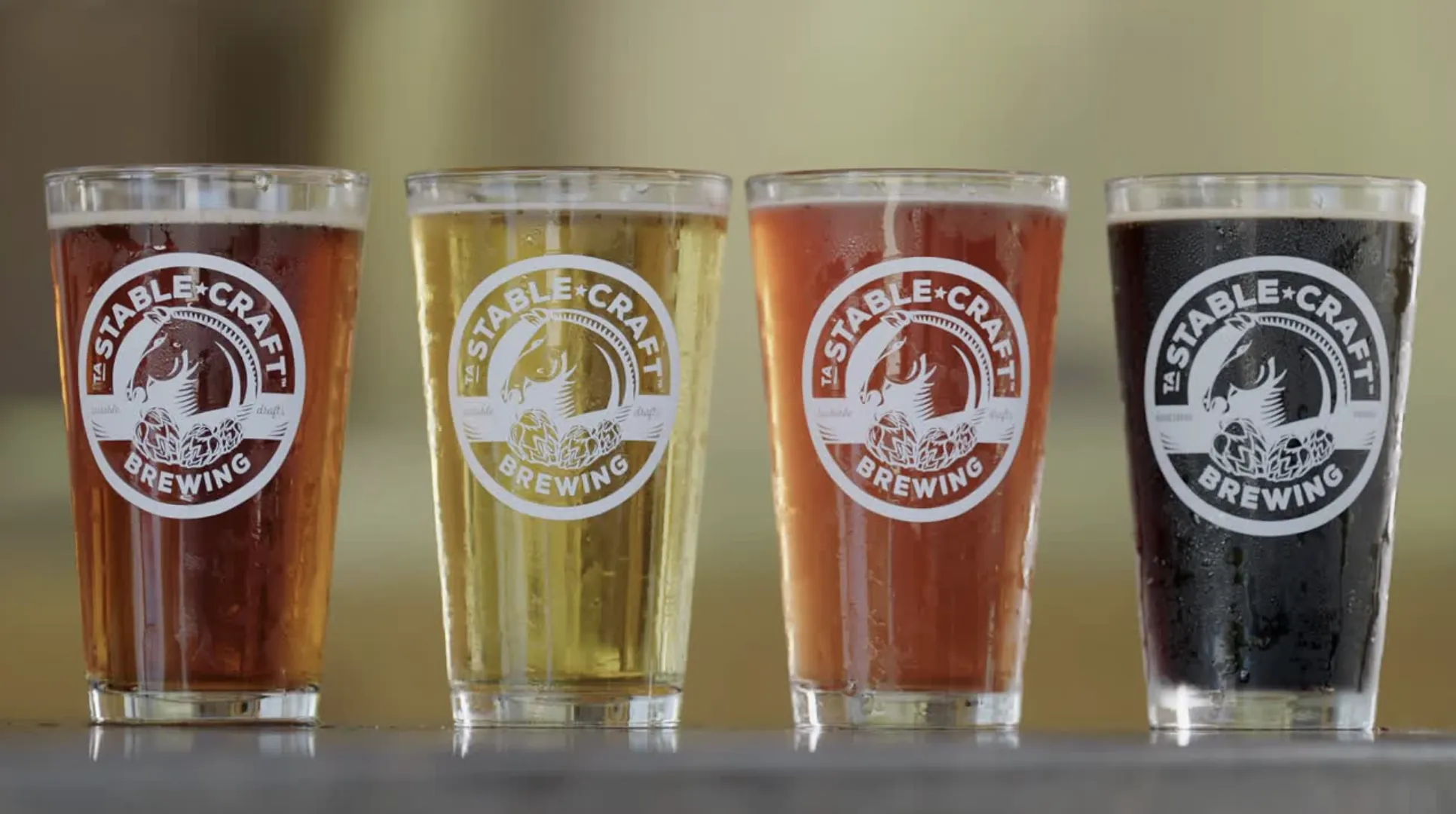
American IPA is the familiar starting point. It is typically hop-forward with a clear, dry finish and a flavour profile that might lean citrusy, floral, piney, or lightly tropical. If you like a clean finish and want to understand why people talk about hops so much, it is a sensible place to start.
West Coast IPA often turns that crispness up. Expect a drier profile, firmer bitterness, and classic notes such as grapefruit, orange zest, pine, or resin. It is often clear rather than cloudy. Choose one when you like a refreshing finish and do not mind a flavour that lingers a little longer after each sip.
Hazy IPA, sometimes called New England IPA, usually puts softer texture and fruit-like hop aroma first. It can be cloudy, but haze is not the whole story. Many hazy IPAs feel rounded and juicy, with flavours people associate with peach, mango, pineapple, melon, or citrus. They are a good route for someone who is curious about IPA but wary of a sharp bitter edge.
Session IPA is designed for a lighter-footed experience. It can still be aromatic and hop-forward, but it usually carries less alcohol than a standard IPA. If you are having lunch, staying for an event, or simply want a beer that does not dominate the afternoon, session strength is a useful phrase to look for.
Double, imperial, and specialty IPAs deserve a slower look
Double IPA and imperial IPA usually signal more strength and more concentration. They can be intensely aromatic, but they can also feel warming, fuller-bodied, and surprisingly easy to drink for their alcohol level. That combination is exactly why the ABV matters. A small pour, water nearby, and a proper meal can make a strong IPA more enjoyable and much easier to judge fairly.
Specialty IPAs can take the hop-forward idea in many directions. You may see black IPA, rye IPA, fruit IPA, cold IPA, or another house interpretation. The label tells you the brewer is adding a second idea to the IPA framework. A black IPA may bring some roast-like notes alongside hops. A rye IPA may add a dry, spicy grain character. A cold IPA often aims for a clean, crisp finish. The point is not to memorise every substyle. It is to recognise that the modifier is the first clue about what makes that particular IPA different.
When the beer name is playful or unfamiliar, ask one plain question: “What should I expect from this compared with your other IPA?” A good taproom answer should describe the beer in ordinary flavour language, not make you feel as if you need a glossary before ordering.

How to choose an IPA when you are standing at the tap list
Start with a flavour you already enjoy. If you like citrus, ask for a bright, dry IPA with grapefruit or orange notes. If you prefer ripe fruit or a softer texture, ask for a hazy IPA with tropical or stone-fruit character. If you like a clean lager finish and want to ease into the category, look for a session IPA or ask for the most approachable option.
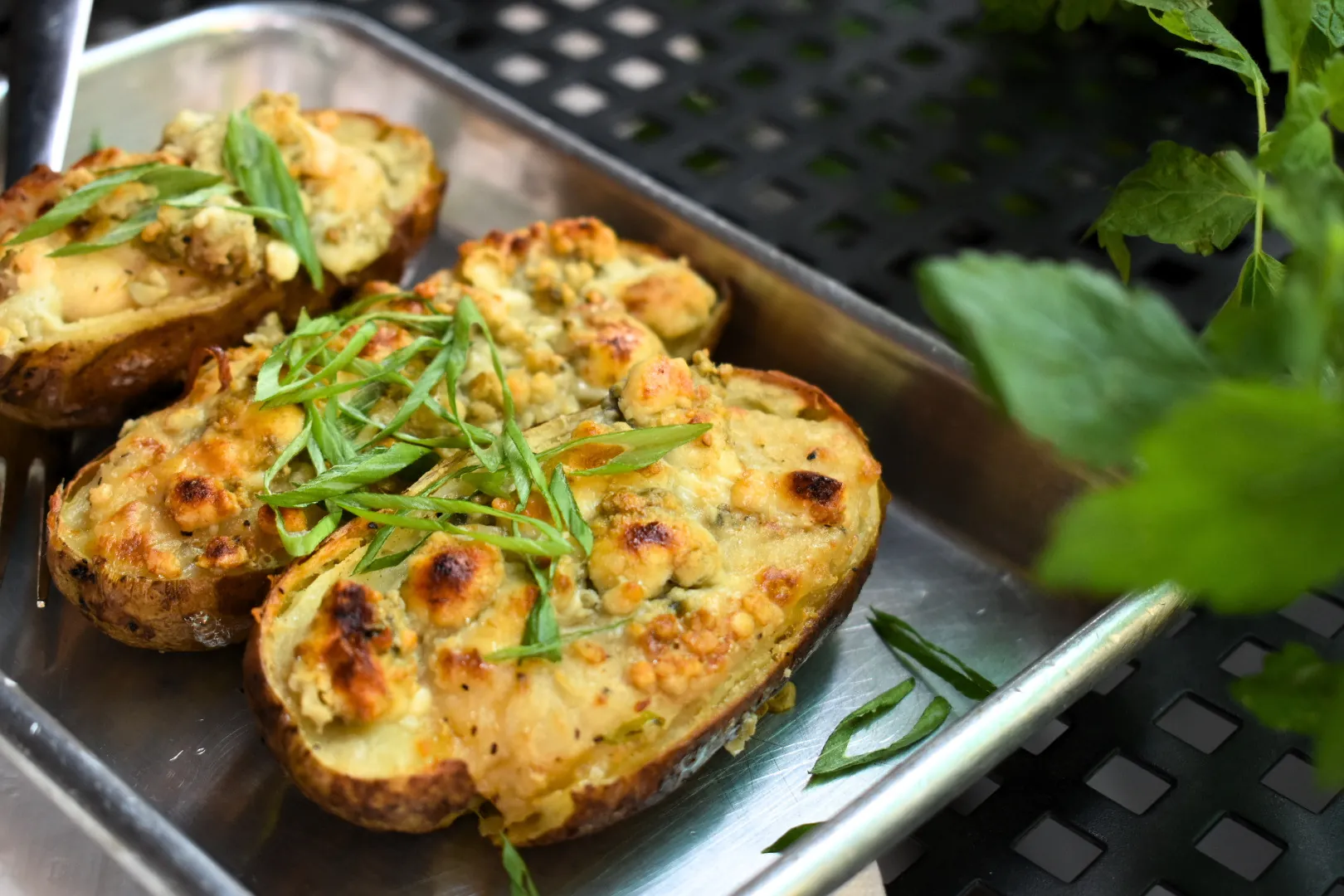
Then choose the right strength for the moment. A lower-ABV option can make sense for a longer afternoon, while a double IPA may be better as a smaller, slower pour. Food changes the decision, too. A crisp, bitter IPA can cut through a richer meal, while a hazy IPA can feel more at home beside a spicy dish or a casual shared plate. There is no universal rule, only a better match for what you are eating and how long you plan to stay.
A tasting flight is useful when you are genuinely comparing styles, not when you are trying to rush through the whole menu. Start with the lighter or crisper beer, then move toward the fuller, sweeter, hazier, or stronger pour. Take a sip of water between samples, and notice what you would actually want a full glass of. The goal is not to identify every hop. It is to learn what you enjoy. Our beer tasting flight guide can help you set an easy tasting order.
Freshness and serving temperature can change the whole pour
Hop aroma is one of the reasons IPA can be so appealing, and it is also one of the first things to fade when beer sits too long. That does not mean a beer becomes unsafe or automatically bad after a date on the package, but a very fresh IPA is more likely to show the lively citrus, fruit, floral, or pine character the brewer intended. If you are buying packaged beer, look for a clearly marked date and choose a package that has been stored cool and away from bright light.
Temperature affects what you notice, too. An IPA served ice-cold can hide aroma and mute flavour. Let a refrigerated can or glass sit for a few minutes before deciding that it tastes plain or overly bitter. As it warms slightly, the hops and malt become easier to smell and separate. That is also why a tulip-shaped glass can be useful: it gives the aroma a little space to gather before you sip. You do not need special glassware to enjoy an IPA, but a clean glass and a moment to smell the beer can make the experience much more revealing.
If a beer seems harsher than you expected, pause before writing off the whole style. Take a sip with food, have some water, and notice whether the issue is bitterness, alcohol warmth, carbonation, or a flavour direction that simply is not for you. A single IPA can teach you what to order next. The one you do not love can still point you toward something brighter, softer, drier, or lower in strength.
How Stable Craft can help you find your IPA
Stable Craft makes it easier to choose a beer when the rest of the table has different tastes. Check the current tap list before you come, then tell the team whether you are after crisp, citrusy, juicy, mellow, or a little bitter. They can help you narrow the options without turning the first order into a big commitment.
A good brewery visit also leaves room for people who are not looking for an IPA. Stable Craft has beer, cider, food, and non-alcoholic choices, so a group can share the same table without everyone ordering the same thing. If you are new to hop-forward beer, you might start with a small taste, pair it with a meal, and let the next pour follow what you liked about the first.
IPA is a category worth exploring because it offers range, not because every beer is supposed to suit every person. Find the direction that sounds good, taste it at a comfortable pace, and keep the notes that matter most: bright, soft, bitter, fruity, dry, or one you would happily order again.

A quick IPA ordering checklist
- Choose your preferred direction: crisp and bitter, or soft and fruit-forward.
- Check the ABV before ordering, especially for double or imperial IPA.
- Use IBU as a clue, not a promise of how bitter the beer will taste.
- Ask the taproom team for a recommendation in plain flavour language.
- Pair a stronger IPA with food, water, and a pace that fits your plans.
Frequently asked questions
What does IPA stand for?
IPA stands for India Pale Ale. The name comes from British brewing history, while a modern IPA is best understood by what is in the glass: a hop-forward beer with aroma and flavour that can range from citrus and tropical fruit to pine, flowers, or resin.
Are all IPAs very bitter?
No. A classic American or West Coast IPA is often crisp and bitter, but hazy IPAs can feel softer and fruitier, and a session IPA can be lighter in alcohol and intensity. Hop aroma, malt, carbonation, and sweetness all influence what you taste.
What is the difference between a hazy IPA and a West Coast IPA?
Hazy IPAs usually lean toward a soft texture and juicy fruit-like hop aromas, while West Coast IPAs are commonly clearer, drier, more bitter, and more likely to show citrus, pine, or resin notes. Neither is automatically stronger or better. They are different ways to put hops forward.
Is an IPA stronger than regular beer?
Often, but not always. Many standard IPAs sit above the strength of a light lager, while session IPAs are made to be more moderate and double or imperial IPAs can be much stronger. Check the alcohol-by-volume number on the menu or can before ordering.
Keep planning
Related posts

Brewery guide
Breweries With Party Rooms: How to Choose One
What to look for in a brewery party room, from the guest count and food to privacy, timing, and an easy plan for every guest.→
Brewery guide
Brewery Games: Easy Ways to Make a Group Visit Fun
Plan a better brewery game day with low-pressure activities, a comfortable pace, and room for everyone to enjoy the visit.→Brewery guide
Brewery First Date: Plan a Relaxed First Date
Plan an easy brewery first date with the right timing, a comfortable table, real options for both people, and a clear ride-home plan.→
Brewery guide
