There is no need to force yourself through a beer that is not working. “Beer” covers an enormous range of flavors, from clean and crackery to citrusy, roasty, creamy, tart, dry, or deeply bitter. If a first sip feels flat, harsh, too sweet, or simply unfamiliar, the answer is usually not to push harder. It is to make a better match.
That can mean choosing a style that suits the flavors you already enjoy, giving the pour a little room to show its aroma, or adding food to the table. It can also mean ordering a small taste instead of a full glass. These seven moves make tasting feel more relaxed and useful, whether you are at a brewery, trying a new can at home, or choosing a flight with friends.
1. Start with a flavor you already like
The quickest route to a better beer is not memorizing style names. It is naming a familiar preference. If you like fresh bread, toast, caramel, coffee, chocolate, grapefruit, orange peel, or sparkling water, you already have useful clues. Malt often brings bread, biscuit, toast, caramel, cocoa, and coffee-like notes. Hops can suggest citrus, pine, flowers, herbs, or tropical fruit. Yeast and carbonation shape how light, soft, dry, or lively the whole pour feels.
Try translating your usual order. Someone who likes crisp white wine or a dry cocktail may enjoy a lager, pilsner, kölsch, or dry cider. Someone who likes coffee or toasted nuts may enjoy an amber ale, brown ale, porter, or stout. Someone who likes grapefruit or tropical fruit may be ready for a pale ale or a softer hazy IPA. Our first-pour beer flavor guide is a helpful starting point when you want those descriptions in plain language.
This is not a grading system. A dark beer is not automatically heavy, and a pale beer is not automatically light. Think of color as a clue, then use the description and a bartender’s guidance to find the profile that sounds inviting.

2. Choose the style, not the category
“I do not like beer” often means “I do not like the handful of beers I have tried.” A sharply bitter West Coast IPA, a soft wheat beer, a crisp lager, and a chocolatey porter do not ask the same thing from your palate. They are different drinks connected by ingredients and process, not copies in different colors.
If bitterness is the obstacle, do not start with a bold IPA just because it is the most recognizable craft option. Ask for something crisp, malt-forward, or gently fruity. If a beer felt watery, try a style with a little more malt or body. If a dark beer felt too roasty, move toward an amber ale before deciding that all malt-forward styles are not for you. The Brewers Association’s style guidelines show how much perceived malt, hop aroma, bitterness, and body can vary between styles.
A flight is useful here because it replaces one big verdict with a few small comparisons. Begin with the lightest and least intense pour, then move toward richer, sweeter, hoppier, or stronger options. Our beer tasting flight guide explains how to make that sequence feel comfortable rather than academic.
3. Let the beer be cold, not frozen
Cold beer can feel refreshing, but very cold beer can also hide aroma and mute flavor. That is why a beer that seems plain straight from an icy cooler can reveal more after a few minutes in the glass. The goal is not to serve every beer warm. It is to let the intended character be noticeable without losing the clean, refreshing quality that makes many styles enjoyable.
The Brewers Association notes that temperature affects both taste and aroma, and its temperature guidance cautions that serving beer too cold can mask flavors and aromas. A pale lager generally suits a colder pour than a darker, maltier ale. When you are unsure, let the brewery do the serving work. At home, a few minutes out of the refrigerator is usually more useful than a frozen mug.
Take a small sip when the glass arrives, then another after a few minutes. If the aroma opens up, the beer has not changed into something else. You have simply given yourself a clearer chance to notice it.

4. Use a clean glass and a proper pour
Glassware does more than make a beer look nice. A clean glass helps the foam form properly and gives aroma room to reach you before the sip. The shape of the glass can also concentrate aroma or support the head, which affects texture and the way the beer feels in your mouth. You do not need specialty glassware for every bottle or can, but you do want a glass free from leftover soap, grease, or freezer frost.
Foam is part of the experience, not wasted beer. A modest collar of foam releases aroma and softens the first impression of carbonation. The Brewers Association’s Draught Beer Quality Manual describes how a controlled pour and foam head support aroma, carbonation, and texture. In plain terms: do not judge a fresh pour by whether it is filled to the rim.
At home, pour gently into a clean glass at an angle, then straighten it near the end. It gives the beer a better chance to smell and taste like itself. At a brewery, trust the person pouring it, then give the first sip an unhurried moment before deciding.
5. Pair the pour with something to eat
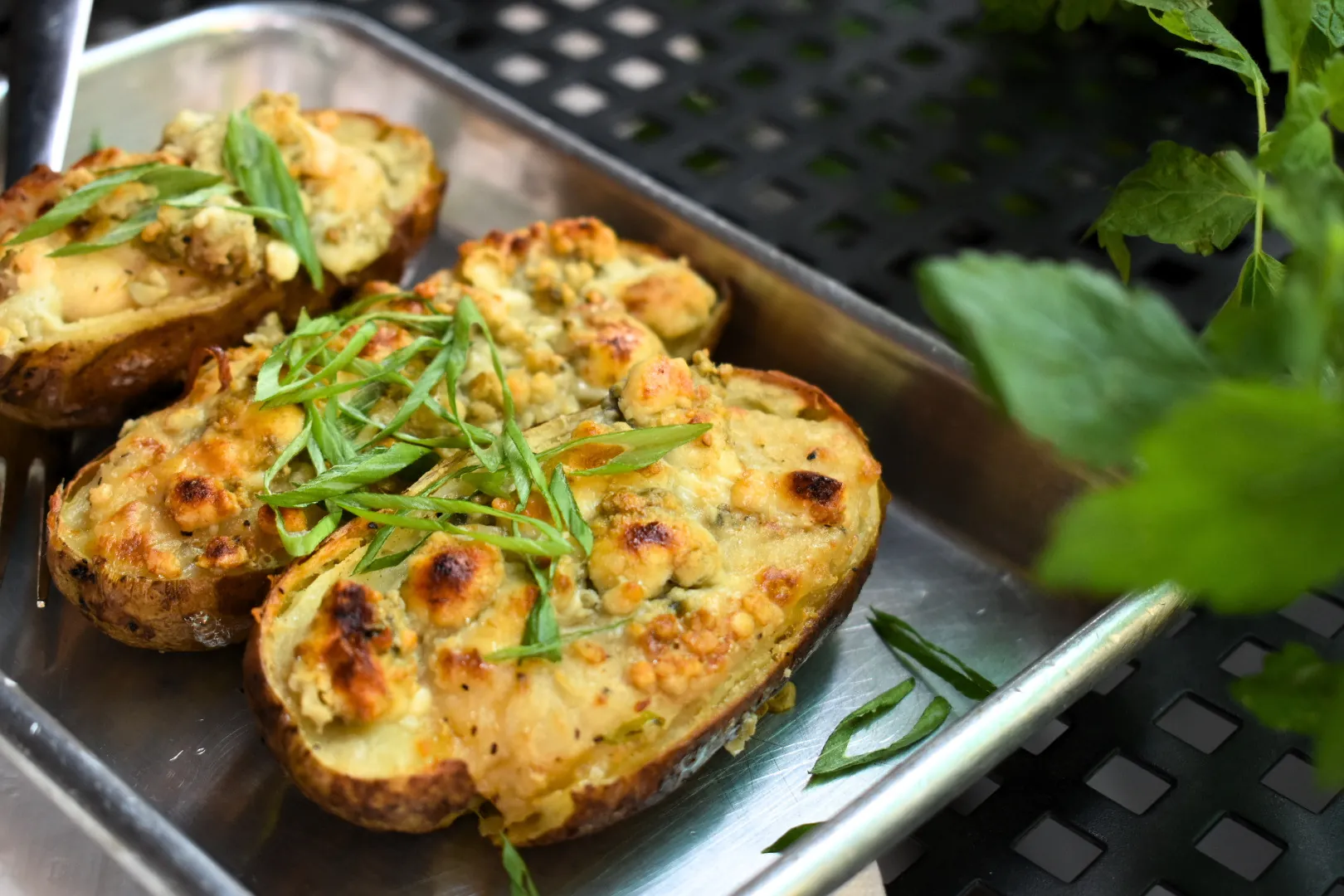
Food can make a beer feel more balanced, especially when a strong flavor on its own becomes easier beside a salty, rich, grilled, or spicy bite. A crisp lager can lift fried food and salty snacks. A malt-forward beer can meet a grilled sandwich, burger, or caramelized vegetables. A roastier porter or stout may find a natural companion in barbecue, chocolate, or a hearty meal. A bright, hop-forward beer can cut through richness when you enjoy its bitter edge.
The point is not to follow rigid pairing rules. It is to use contrast and connection. Carbonation refreshes the palate after a rich bite. Malt can echo toasted bread or char. Citrus-like hop aroma can brighten a dish that needs lift. When the food is spicy, a lower-bitterness beer or cider may be a calmer choice. Stable Craft’s brewery food guide can help you plan a meal that makes the stop feel complete.
Food also slows the pace, which makes it easier to notice what you actually like. Order something you would enjoy regardless of the drink, take a bite, take a sip, and let the table do some of the work.

6. Try a small taste before committing
A sample or flight is not a sign that you do not know what you are doing. It is a smart way to learn with less pressure. A full pour can make an unfamiliar beer feel like a test. A small taste lets you compare texture, aroma, sweetness, bitterness, and finish before you commit to a glass.
Keep the question simple: would you want another sip? If the answer is yes, ask what you are responding to. Maybe it is the crisp finish, soft fruit aroma, toasted malt, or gentle bitterness. If the answer is no, that is useful too. Say whether the beer felt too bitter, too sweet, too heavy, too roasty, or too fizzy. A bartender can use that detail to steer the next suggestion in a better direction.
When you have a mixed group, this approach works even better. One person may find a favorite lager, another may prefer cider, and another may want an IPA. Everyone can enjoy the same table without pretending there is a single correct order.
7. Give yourself permission to choose something else
Sometimes the best way to make beer taste better is to stop trying to make the wrong beer fit. If you want fruit, acidity, and bubbles, a cider may be a better choice. If you want something without alcohol, soda or another nonalcoholic option can keep you part of the occasion. If you want a beer but not the one in front of you, choose a different flavor family next time.
At Stable Craft, the current tap list gives you a useful look at what is pouring, while the food and drink options make it easier to plan for different preferences at the same table. Ask for a crisp, malty, fruity, dry, or gently bitter recommendation. That is enough information to start a good conversation.
And keep the practical part simple: drink water, eat something, take your time, and arrange a sober ride before the first round. The National Highway Traffic Safety Administration recommends planning for a safe ride before drinking. A better beer experience is one you can enjoy from the first sip through the trip home.
A simple better-beer checklist
- Name one flavor you enjoy outside of beer.
- Choose a style that leans crisp, malty, fruity, roasty, or gently bitter.
- Let the pour show some aroma, rather than drinking it ice-cold.
- Order food or a small sample when you are unsure.
- Notice the finish and texture, not only the first sip.
- Ask for the next recommendation based on what you liked or did not like.
- Have water, take your time, and plan a sober ride home.
Frequently asked questions
Why does beer sometimes taste bad to me?
Beer may simply be a poor match for your preferences or for the moment. Bitterness, roast, carbonation, alcohol, and fermentation character all land differently. A crisp lager, a malt-forward amber, and a hop-forward IPA can feel like entirely different drinks, so one disappointing pour does not settle whether you will enjoy another style.
Does serving temperature affect beer flavor?
Yes. Very cold beer can make aroma and flavor harder to notice, while overly warm beer can lose its refreshing quality. The best temperature depends on the style, but a clean glass and a freshly poured beer give you a more accurate first impression than a frozen glass or a tired pour.
What beer should I try if I do not like bitter drinks?
Ask for a crisp lager, wheat beer, blonde ale, amber ale, or another lower-bitterness option. A bartender can make a more useful recommendation when you name flavors you already enjoy, such as toast, citrus, coffee, or sparkling fruit.
Can food make beer taste better?
Food can make a beer feel more balanced and satisfying. Salty, rich, grilled, or spicy dishes change how bitterness, sweetness, carbonation, and roast come across. A good pairing does not need to be fancy. It simply gives both the bite and the sip something useful to do together.