

Hazy IPA and West Coast IPA both put hops in the spotlight, but they do not arrive there in the same way. One often feels soft, full, and fruit-forward. The other is usually crisp, dry, and built around a more direct bitter finish. If you have ever looked at a tap list and wondered whether “hazy” means sweet, or whether “West Coast” means too bitter, the useful answer is more specific than either shortcut.
Neither style is a test of beer knowledge. They are simply two different ways to build an IPA. Understanding a few signals, aroma, texture, finish, and strength, makes it much easier to order a pour that suits your taste and the rest of your plans.
The short answer: soft and juicy, or crisp and dry
A hazy IPA usually leans into fruit-like hop aroma and a smooth, rounded feel. Drinkers often notice impressions such as orange, mango, peach, pineapple, melon, or ripe citrus. It may look cloudy, but the haze is not the whole point. It is part of a broader approach that gives the beer a softer texture and keeps bitterness from taking over the finish.
A West Coast IPA usually aims for clarity, a leaner body, and a firmer hop edge. Citrus can still be present, but it may come across more like grapefruit peel or orange zest than juice. Pine, resin, herbs, and a dry snap are common descriptions. The Wine & Spirit Education Trust’s IPA overview describes West Coast examples as clear, dry, and firmly bitter, while hazy examples emphasize tropical and citrus character with lower bitterness.
That contrast is a useful first filter. If you like a plush, fruit-forward beer, ask about the hazy option. If you want a clean, aromatic beer with a sharper finish, West Coast is likely the better direction.
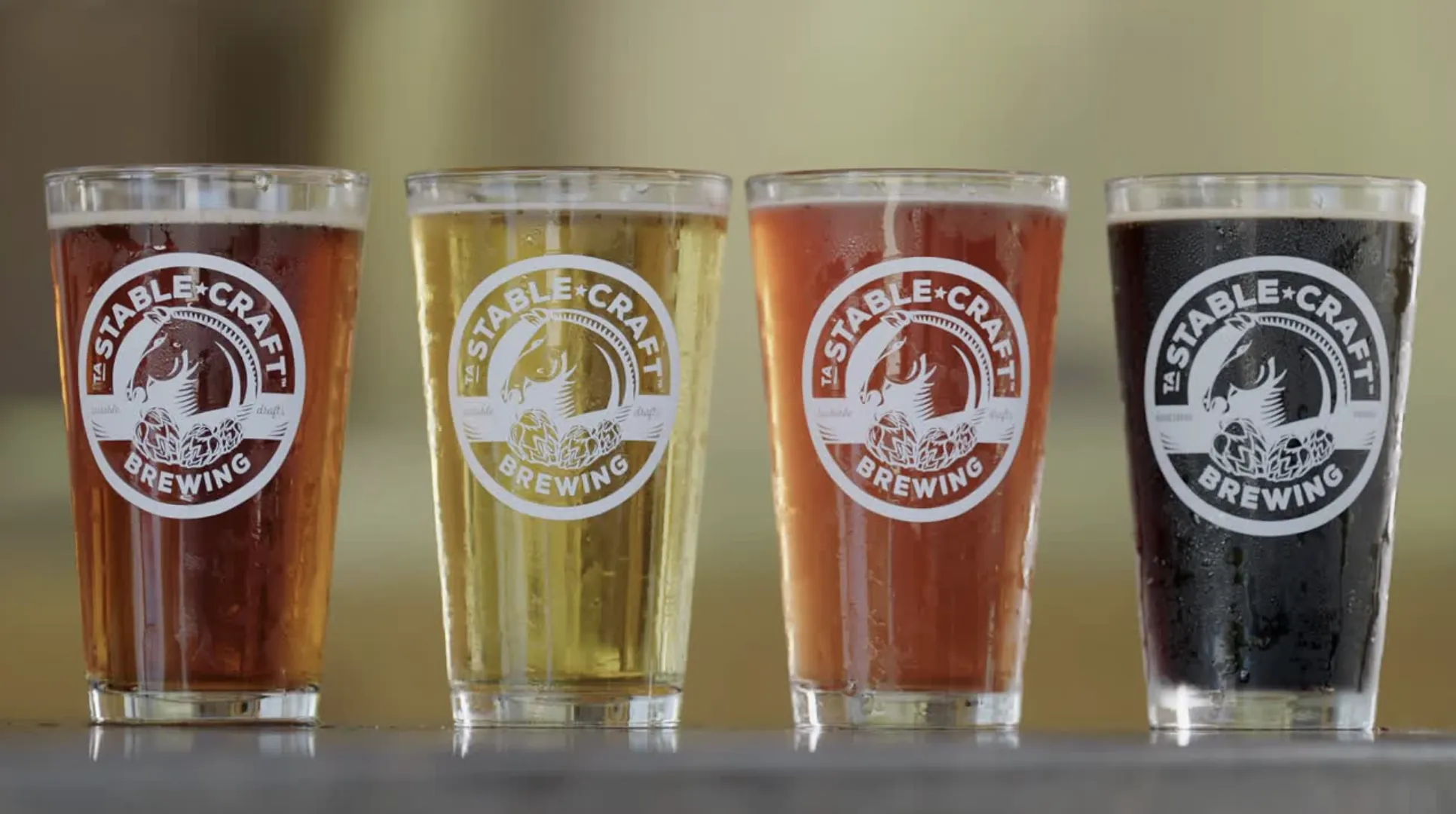
What you see in the glass is a clue, not the entire story
West Coast IPA is often bright and clear, ranging from pale gold to a deeper amber. Its visual clarity matches the style’s clean, dry profile, but it is not a promise that every clear IPA will taste intensely bitter. Modern brewers can build clear IPAs with expressive fruit aromas, too.
Hazy IPA often appears opaque or softly glowing rather than crystal clear. The Beer Judge Certification Program explains that this characteristic haze comes from the interaction between dry-hop polyphenols and proteins from starchy grains. That matters because it separates intentional haze from a flaw. A good hazy IPA should look inviting and stable, not murky, sludgy, or unfinished.
Still, appearance alone will not tell you whether you will love a beer. A hazy IPA can be very aromatic without being sugary, and a clear West Coast IPA can deliver orange, lemon, or tropical notes without tasting like a pine cone. Let the look start the conversation, then use the beer’s description and your own preferences to finish it.
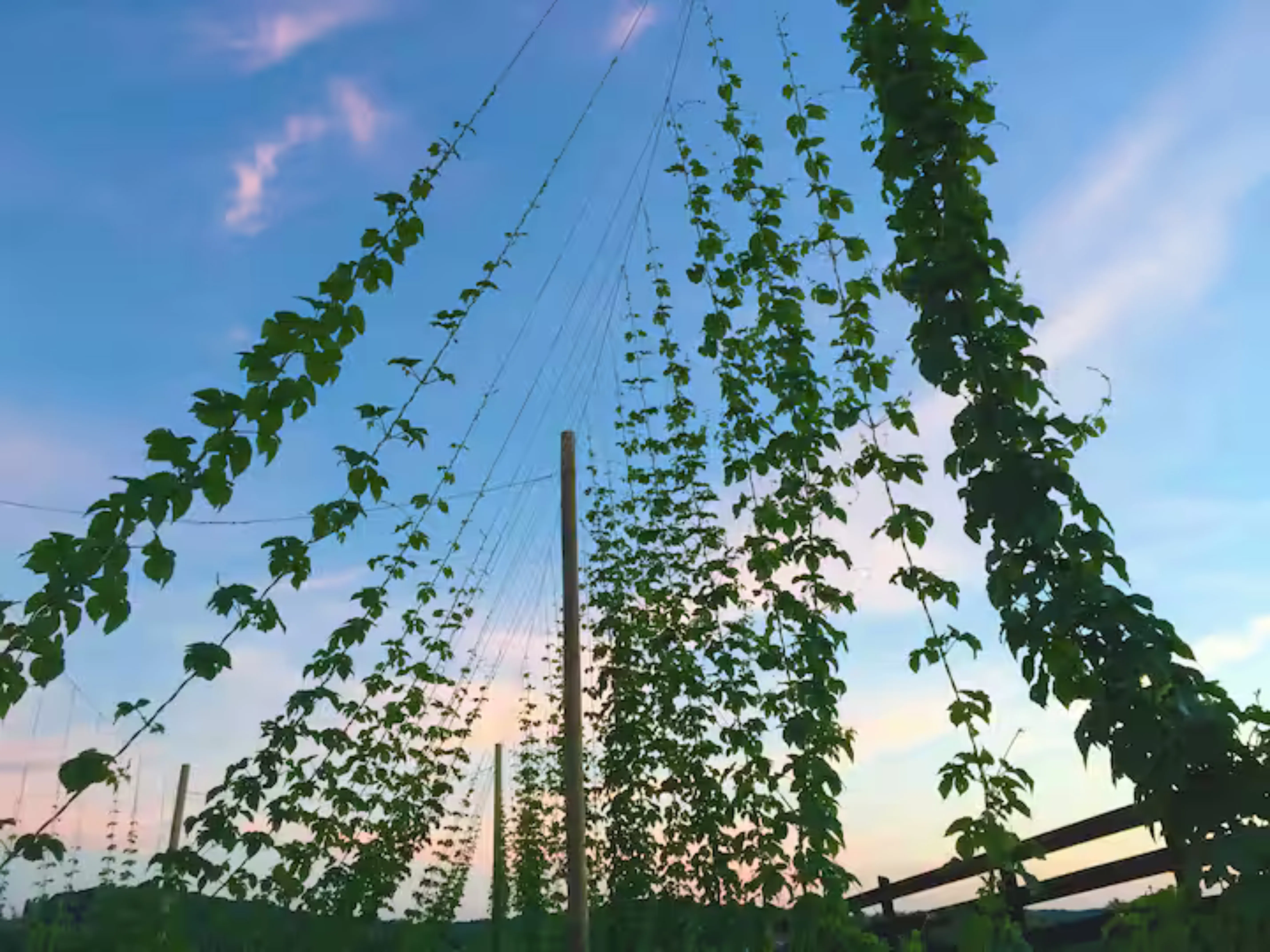
Hop flavor is where the split becomes obvious
Hazy IPA often makes hop aroma feel ripe and expressive. A brewer may use hops in ways that favor aroma over aggressive bitterness, and the grain and yeast choices can support a pillowy texture. The result can suggest fresh citrus, stone fruit, passion fruit, berries, or melon. Those descriptions are not added fruit. They are familiar reference points for the aromas created by hops and fermentation.
West Coast IPA tends to present its hops with more definition. Citrus can feel zesty or pithy. Pine can feel fresh and resinous. Floral, herbal, and lightly spicy notes can appear alongside a dry finish that clears the palate for the next sip. The beer is not necessarily harsh. It is simply more likely to let bitterness remain part of the experience rather than smoothing it into the background.
If you already know you enjoy grapefruit, tonic water, black coffee, dry wine, or bitter greens, a West Coast IPA may make immediate sense. If you tend to reach for peach, mango, pineapple, or softer wheat beers, a hazy IPA may feel more inviting. Taste still wins over theory, so a small sample is a smart way to test the direction.
Bitterness and IBU are useful, but neither tells the whole story
It is reasonable to expect many West Coast IPAs to taste more bitter than many hazy IPAs. It is not reasonable to treat the style name, or the IBU number, as a complete prediction. IBU measures certain bitter compounds, not every factor that shapes your impression of a beer. Malt sweetness, carbonation, alcohol, aroma, water chemistry, and texture all influence how the finish lands.
A hazy IPA can have a substantial IBU number and still feel gentle because its fruit-forward aroma and fuller body soften the perception. A dry West Coast IPA with a lower number can feel more assertive because there is less sweetness or body around the bitterness. Our guide to beer bitterness explains why using IBU as a clue is more helpful than treating it as a rating.
When you are ordering, plain language works better than a number alone. Say you want “something citrusy but not too bitter,” “dry and crisp,” or “juicy and soft.” That gives the taproom team a much clearer place to start.
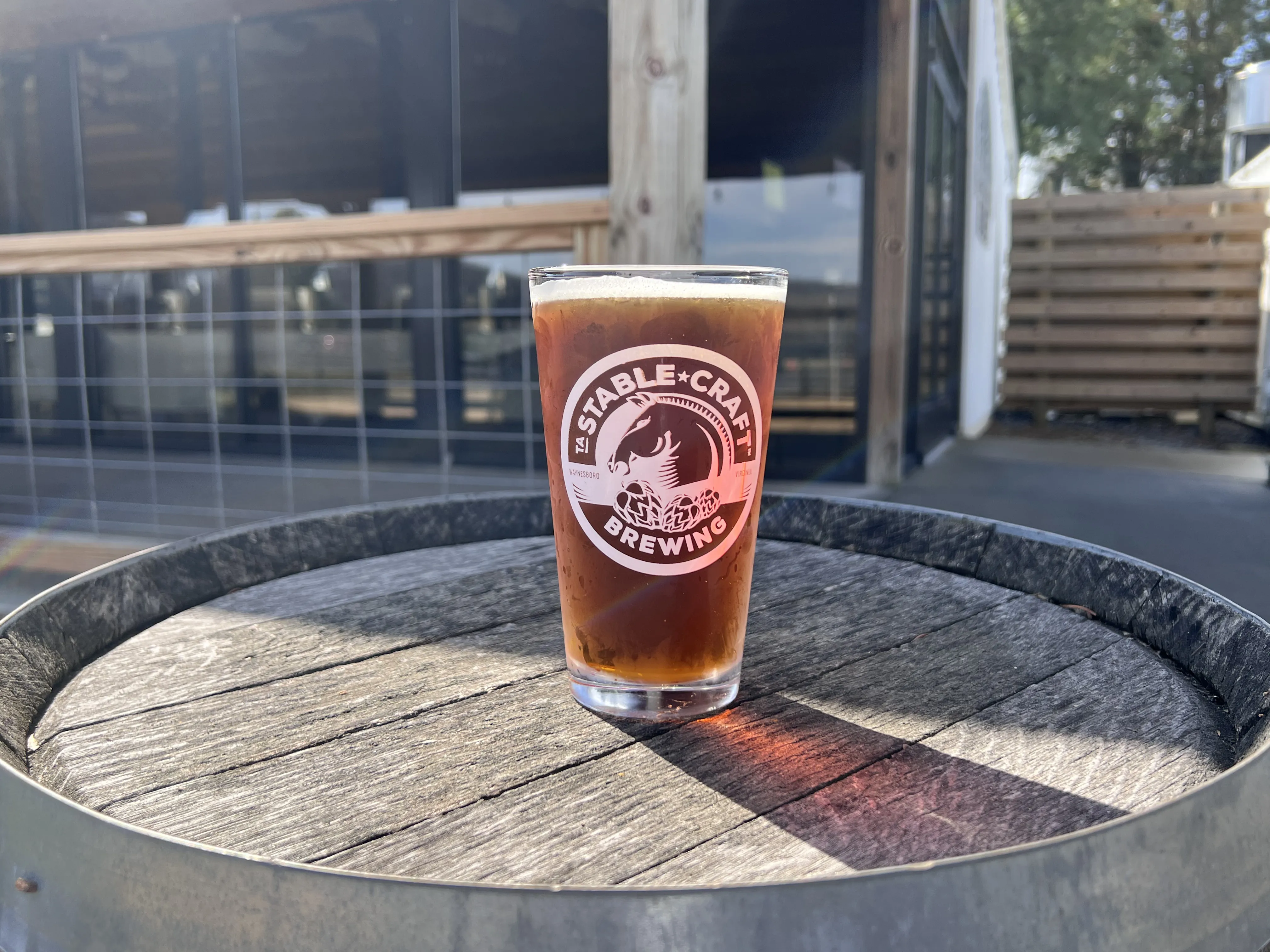
Body and finish change the pace of the pour
Texture is one of the biggest differences between these styles. Hazy IPA is often medium to full in body, with a soft or silky quality that can make it feel substantial. Oats, wheat, other protein-rich grains, and fermentation choices can all contribute to that fuller impression. It can be a comfortable match when you want a beer that feels rounded and relaxed beside food or conversation.
West Coast IPA is commonly lighter in body and more highly attenuated, which means it finishes with less residual sweetness. That dry finish can make the beer feel lively and refreshing, especially with a rich meal or on a warm afternoon. It also means the hop profile is more exposed. Some drinkers love that snap; others may prefer the cushion of a hazy IPA.
Neither body is better. The better choice depends on the moment. A hazy IPA can be a good slow sipper after work. A West Coast IPA can be a good palate-clearing pour with something salty, grilled, or fried. Your first sip should not have to carry the decision alone, though. Think about whether you want the beer to feel plush or brisk all the way through the glass.
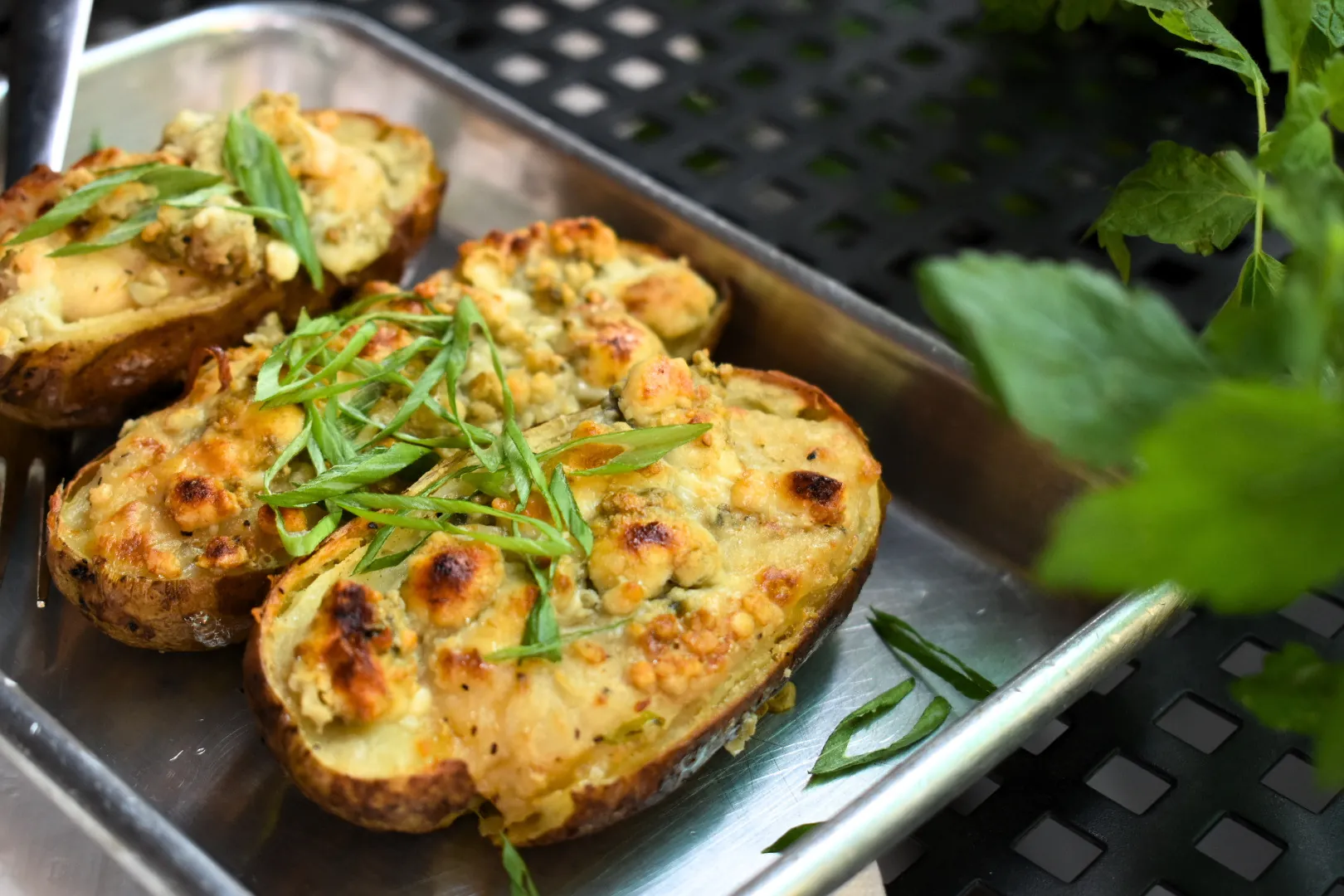
How strength fits into the decision
Hazy IPA and West Coast IPA both appear at several strengths. A standard version may be easy to enjoy with a meal, while double or imperial versions can be much stronger and deserve a slower pace. The letters “IPA” do not tell you the alcohol level. Check the ABV on the menu before ordering, especially if you are planning a flight, staying for an event, or driving later.
Do not assume that hazy means stronger or that West Coast means lighter. Either can be made as a sessionable beer or a bigger, more concentrated pour. The key is to choose the strength that fits your plans, not to chase the biggest number on the list. Water and food make a noticeable difference when you are tasting higher-ABV beers, and a smaller pour is often the most enjoyable way to compare styles.
If you are curious about a strong IPA but not ready for a full glass, a tasting flight can keep the choice low pressure. Start with the lighter, crisper beer, then move toward the fuller or stronger option. Our beer tasting flight guide has an easy order to follow.
Food pairing: cut through richness or lean into spice
West Coast IPA’s crisp bitterness and dry finish can cut through rich, salty, fried, or grilled food. Think of it as a contrast partner. The beer can reset your palate after a burger, a creamy sauce, or a plate built around bold savory flavors. A citrusy, piney character can also sit nicely beside herb-forward dishes.
Hazy IPA often pairs well when you want fruit-like aroma and a softer texture alongside food. It can be a friendly choice with spicy dishes because the rounded body keeps the beer from feeling too sharp beside heat. It also works nicely with a casual shared plate when you want the beer to feel present without becoming the loudest part of the table.
There are no rigid pairing rules. A great meal-and-beer match is the one you want another bite and another sip of. If you are choosing for a group, consider ordering different styles and sharing small tastes. You will learn more from a side-by-side comparison than from any style chart.
A side-by-side taste is the fastest way to learn
When both styles are available, tasting them side by side turns abstract language into something you can actually notice. Start with the West Coast IPA. Take a small sip, let it finish, and pay attention to what stays with you. You may notice an immediate citrus or pine aroma, followed by a clean, dry finish that hangs around just long enough to invite another sip. Then try the hazy IPA. Notice whether the aroma feels riper, whether the middle of the sip feels fuller, and whether the finish lands more softly.
Do not worry about finding the “right” tasting note. Calling something bright, soft, bitter, juicy, dry, smooth, or lingering is plenty useful. The point is to build a personal reference point. If one beer makes you want a second sip and the other feels too sharp or too heavy, you have learned something valuable about the direction that fits you.
Keep the samples small, use water between them, and avoid rushing. A little food helps reset the palate, too. The beer that wins a side-by-side comparison is not necessarily the best beer in every situation. It is simply the one that makes the most sense for your taste, the meal, and the pace of that visit.
How brewing choices create two different experiences
The difference is not just a marketing label. Hazy IPA and West Coast IPA use many of the same building blocks, malt, hops, yeast, water, and fermentation, but brewers arrange them toward different goals. A hazy IPA may use oats or wheat to build body and support that soft feel. Yeast can add gentle fruit character, and late hop additions can make aroma feel especially vivid. The goal is often a beer that feels saturated with hop flavor without making bitterness the loudest note.
West Coast IPA often pursues a leaner structure. The malt bill tends to stay out of the way, the fermentation profile stays clean, and the finish dries out so the hops appear crisp and distinct. That can make grapefruit, pine, orange peel, and resin feel more focused. The best versions balance that intensity with enough body that the beer remains enjoyable rather than punishing.
Style guidelines describe tendencies, not a fence around every brewery. The BJCP’s hazy IPA guidance recognizes a soft, full mouthfeel and fruit-forward hop expression, while a clear, crisp, high-bitterness example belongs more naturally with American IPA. Brewers can work between those poles, which is one reason the description on a specific tap list is always worth reading.
Common assumptions that make ordering harder
“Hazy means sweet” is an understandable shortcut, but it can mislead. A hazy IPA may smell like mango or peach without containing fruit or tasting sugary. Fruit-like aroma and sweetness are separate things. Some hazy IPAs finish surprisingly dry, while some are fuller because the grain bill and alcohol create a richer impression. Asking whether a beer is dry, soft, or fruit-forward is more useful than asking only whether it is sweet.
“West Coast means extremely bitter” is another shortcut that needs a little room. Many examples are firmly bitter, but balance matters. Modern West Coast IPAs often put bright aroma and clean drinkability ahead of brute force. If you enjoy a dry pilsner, sparkling wine, or a citrusy cocktail, a crisp IPA may be more approachable than you expect.
Finally, neither style is automatically more serious, more advanced, or more “craft” than the other. A hazy IPA can be carefully made and complex. A West Coast IPA can be elegant and precise. Choose based on the flavors you want, not on an idea of what an experienced beer drinker is supposed to order.
Choose for the occasion, not just the style
A hazy IPA can be a natural choice when you are settling in for a meal, sharing a table, or looking for an aromatic beer that feels easygoing. Its rounded body can make it feel satisfying in a slower setting. A West Coast IPA can be especially appealing when you want a cleaner reset between bites, a refreshing option after being outside, or a beer with a drier finish that does not linger with sweetness.
Consider the whole afternoon. Are you trying a flight, catching live music, eating a full dinner, or staying overnight? A standard-strength beer may make more sense than a double IPA, regardless of which style you prefer. Stable Craft’s events, food, and open farm setting reward a pace that lets everyone enjoy the day comfortably.
That practical approach takes pressure out of the choice. There is no need to pick a permanent side. Order the style that fits today, notice what you enjoy, and use that information the next time you see a hazy or West Coast IPA on a tap list.
How Stable Craft can help you choose
Stable Craft is a good place to explore IPA because a group does not need to order the same kind of pour. Check the current tap list before your visit, then let the team know what flavors you tend to enjoy. “Bright and dry,” “soft and fruity,” “not too bitter,” and “something with a crisp finish” are all useful starting points.
If you are still deciding, begin with a small taste or a flight. The goal is not to name every hop or memorize a style guide. Notice whether you prefer the fruit-forward aroma and rounded body of a hazy IPA, or the citrus, pine, and dry finish of a West Coast pour. That one preference will make your next beer choice much easier.
And if IPA is not the right fit today, there are plenty of other paths through the tap list. Beer, cider, food, and non-alcoholic choices mean everyone at the table can settle into the same visit at their own pace.
A quick way to choose
- Choose hazy IPA for a softer body and fruit-forward hop aroma.
- Choose West Coast IPA for a crisp, dry finish and firmer bitterness.
- Check ABV, especially for double or imperial versions.
- Use IBU as a clue, not a guarantee.
- Ask for a small taste when you want to compare the styles side by side.
Frequently asked questions
Is hazy IPA less bitter than West Coast IPA?
Usually, yes. Hazy IPA is commonly built around soft, fruit-forward hop character and a rounded texture, while West Coast IPA is generally drier with a firmer bitter finish. Recipes vary, so the tap list and a quick conversation with the team are better guides than the style name alone.
Is a hazy IPA stronger than a West Coast IPA?
Neither style is automatically stronger. Both can range from approachable standard-strength beers to double or imperial versions. Check the ABV on the menu, especially if you are choosing a beer for a long meal, a flight, or a full afternoon at the brewery.
Which IPA is better for someone new to craft beer?
A hazy IPA can be an easy starting point for someone who enjoys citrus, peach, mango, or pineapple-like aromas and wants less of a sharp bitter edge. A West Coast IPA is a great choice for someone who likes grapefruit peel, pine, herbs, or a crisp, dry finish.
Does cloudy beer mean it is unfinished?
No. Haze is an intentional part of a well-made hazy IPA. The Beer Judge Certification Program notes that the characteristic haze comes from the interaction of dry-hop compounds and proteins from starchy grains, rather than a beer simply being unfinished.
Keep planning
Related posts

Brewery guide
Breweries With Party Rooms: How to Choose One
What to look for in a brewery party room, from the guest count and food to privacy, timing, and an easy plan for every guest.→
Brewery guide
Brewery Games: Easy Ways to Make a Group Visit Fun
Plan a better brewery game day with low-pressure activities, a comfortable pace, and room for everyone to enjoy the visit.→Brewery guide
Brewery First Date: Plan a Relaxed First Date
Plan an easy brewery first date with the right timing, a comfortable table, real options for both people, and a clear ride-home plan.→
Brewery guide
