
Hard cider starts with apples, but it does not simply taste like apple juice with alcohol. Fermentation reshapes the fruit, and the finished pour can land anywhere from bright and dry to round, juicy, and sweet. Add different apple varieties, bubbles, fruit, spice, or a little time in a barrel, and the range gets wider still.
That is good news for anyone who thinks they do not like cider. You may simply not have found the right kind yet. Once you know what sweetness, acidity, tannin, and aroma do in a glass, ordering becomes much easier. You can describe what you enjoy, take a more useful first sip, and choose a second pour with confidence.
The short answer: expect apples, then more than apples
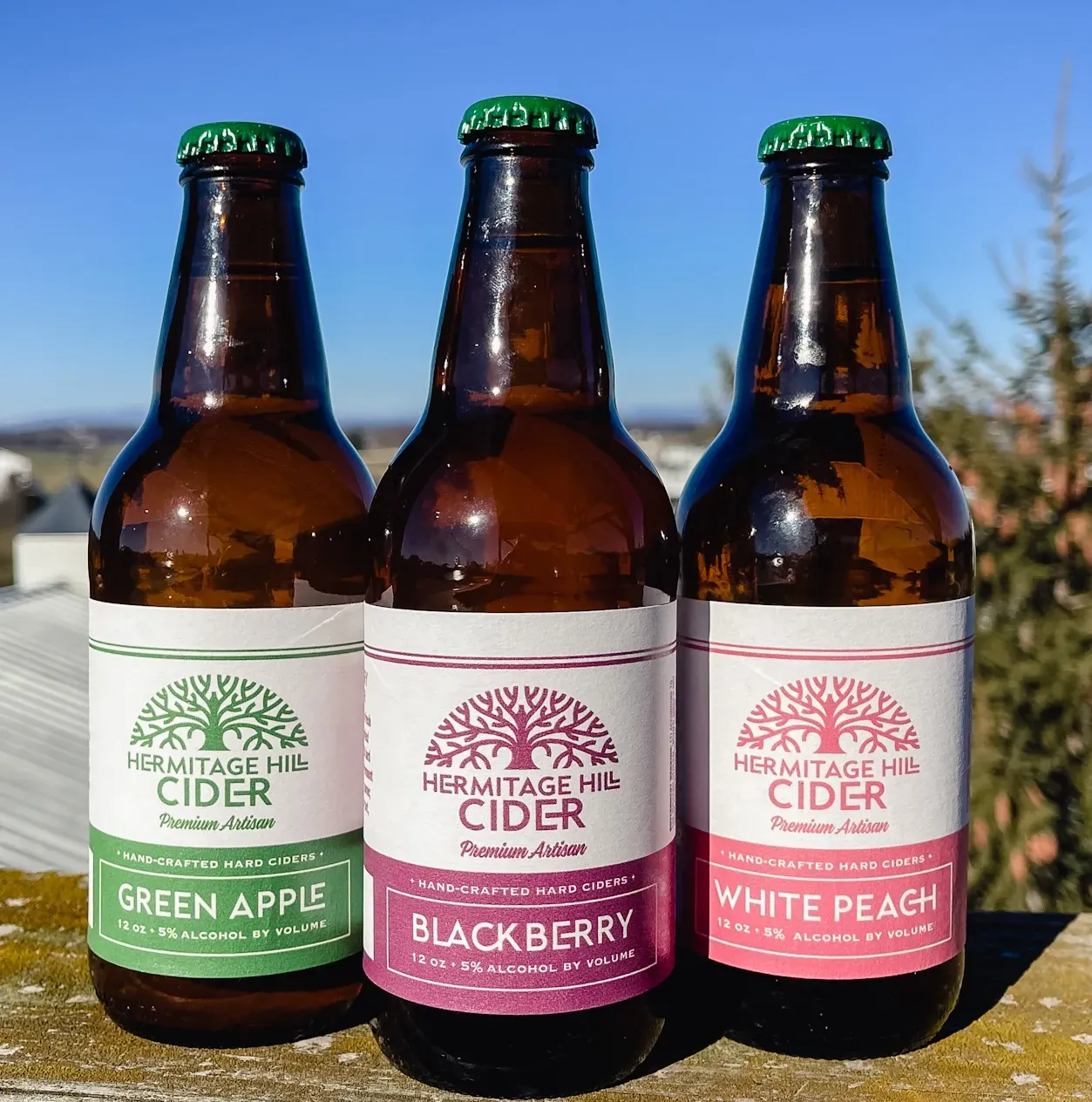
Most hard cider has some apple character, but that character may read as fresh apple, baked apple, apple skin, orchard fruit, or something more wine-like. A modern cider made from culinary apples often feels bright and refreshing, with medium to high acidity and lower tannin. The American Cider Association’s style guide notes that dry modern ciders can be more wine-like, while sweet or lower-alcohol examples may show more direct apple aroma and flavor.
Think of cider as a family of drinks rather than one fixed flavor. A crisp, bubbly cider might feel closest to a tart apple and a light white wine. A fuller heritage-style cider can feel more structured, with a gentle grip like black tea or apple skin. A fruit cider may lead with berry, peach, or citrus aroma, while a spiced cider can suggest warm baking spices. None of those descriptions tells you whether a cider is good. They simply help you find the one that sounds good to you.
Sweetness is only one part of the story
When people ask what hard cider tastes like, they are often really asking, “Is it sweet?” The honest answer is: sometimes. A cider may be dry, off-dry, or sweet, but sweetness is not the only sensation your palate notices. Fruit aroma can make a cider feel sweeter than its sugar level suggests, and a dry cider can still smell ripe, juicy, or tropical.
The American Cider Association explains that acidity, aroma, and alcohol all affect perceived sweetness. Higher acidity can make a cider seem lighter and crisper, even when there is some residual sugar. Lower acidity and more sugar can feel richer and softer. That means “dry” does not have to mean sour or severe, and “fruity” does not automatically mean sugary. If you want less sweetness, ask for something dry and crisp. If you enjoy a rounder, softer pour, ask for off-dry or fruit-forward.
A useful first sip is not about naming every flavor. Notice whether the cider feels lean and refreshing or soft and lush. Does it finish quickly and cleanly, or linger with a hint of sweetness? Those are the clues that help a bartender guide your next choice.
Acidity brings the bright, refreshing edge
Acidity is the mouthwatering lift you get from a fresh apple, citrus, or a bright white wine. In cider, it keeps a pour from feeling heavy and helps it work beautifully with food. It is not the same as vinegar. A balanced cider can be tart without being harsh, and that tartness is often exactly what makes the next sip appealing.
If you enjoy lemonade, sauvignon blanc, or a crisp lager, acidity may be one reason a dry cider works for you. It creates a clean finish and can balance fruitiness or sweetness. If you prefer soft, mellow drinks, a lower-acid, rounder cider may feel more comfortable. There is no right answer. The point is to learn which side of that spectrum makes you want another sip.
At a tasting room, try a brighter cider before a sweeter or richer one. Your palate will have an easier time noticing the difference. A little water between samples helps too, especially when you are comparing several styles.
Tannin adds texture, structure, and a dry finish
Tannin is the gentle drying sensation you may recognize from black tea, grape skins, or a bold red wine. In cider, it often comes from the apples and gives the drink structure. You may not taste it as a separate flavor, but you can feel it as a faint grip on the sides of your mouth or in the finish.
Not every cider is tannic. Modern styles often have less of it, while heritage ciders made with cider-specific or bittersweet apples may have more. The association’s style guide describes heritage ciders as generally higher in tannins than modern ciders. For a newcomer, that simply means some ciders feel bright and easygoing while others feel more layered and contemplative.
If you like a dry red wine or strong tea, do not be afraid of a cider with more structure. If you want something uncomplicated and light, ask for a lower-tannin, refreshing style. The words “crisp,” “bright,” “dry,” “fruit-forward,” and “tannic” are all useful signals, but a quick conversation is better than trying to decode a label alone.
Bubbles, fruit, and serving temperature change the experience
Carbonation does more than make cider festive. It lifts aroma, creates a lively texture, and makes a rich bite of food feel lighter. Still cider can feel quieter and more wine-like. Sparkling cider may feel sharp, celebratory, and especially refreshing. Neither is inherently better, they simply create different moments at the table.
Fruit and botanicals can widen the picture without hiding the cider underneath. Berry, peach, pear, hops, ginger, or spice may bring an obvious flavor, while oak can add notes that remind you of vanilla, caramel, or warm spice. The American Cider Association notes that these aromas can also influence perceived sweetness. A cider can smell like ripe fruit and still finish dry.
Temperature matters as well. Very cold cider emphasizes refreshment and can mute some aroma. As it warms slightly, more apple, fruit, spice, and texture may become noticeable. You do not need to overthink it. Take a sip when the pour arrives, then another a few minutes later. The change can be surprisingly clear.
How to find your first good hard cider
Start with your usual preferences, not with a rule about cider. If you like crisp beer, sparkling wine, or citrusy drinks, try a dry, bubbly cider. If you like a fruitier cocktail or a softer white wine, try an off-dry or fruit-forward cider. If you enjoy red wine, tea, or more savory flavors, ask whether there is a cider with a little tannin and structure.
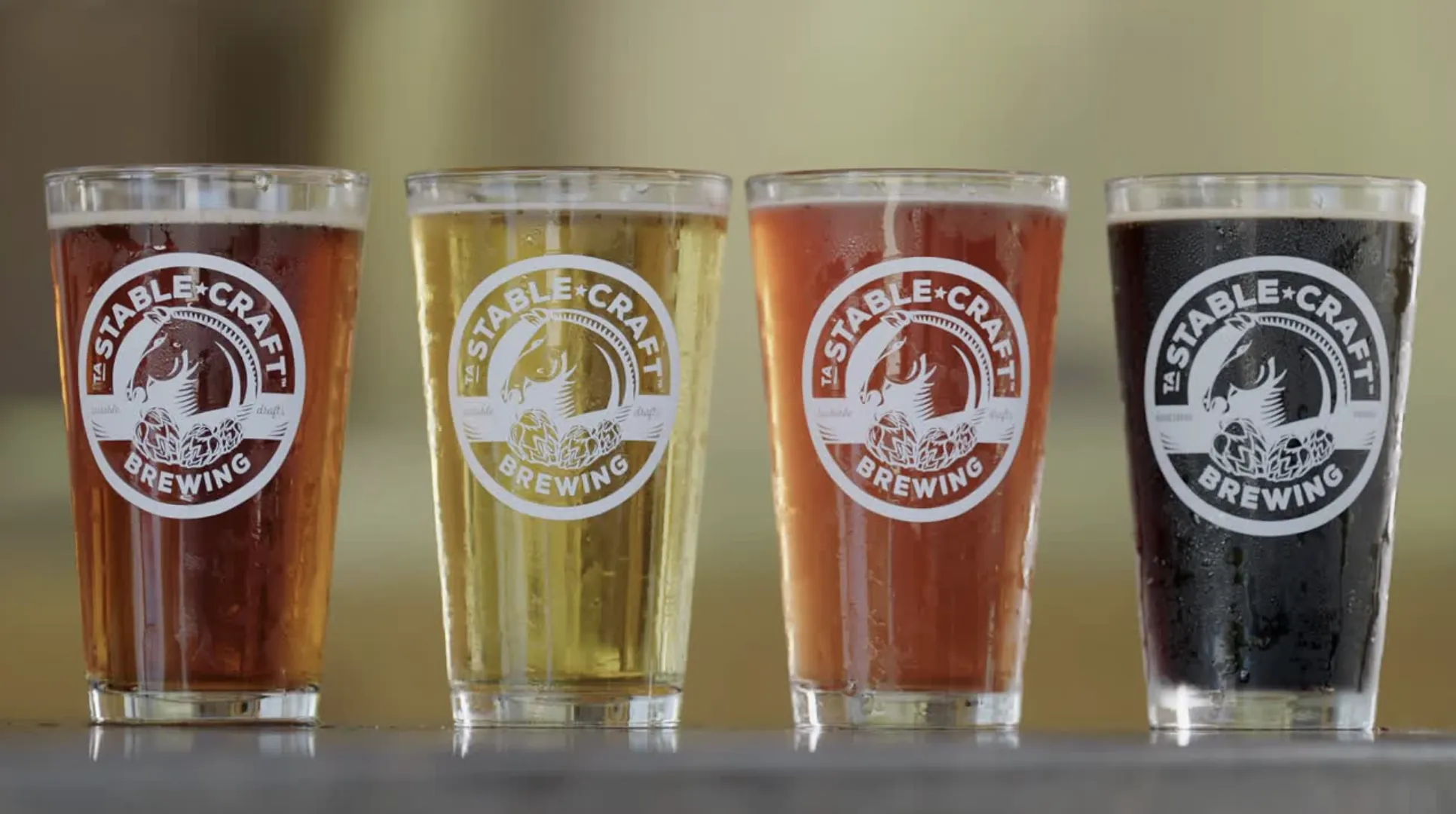
A tasting flight is one of the easiest ways to learn. Compare two or three different pours side by side, moving from lighter and drier toward sweeter or richer. Smell first, take a small sip, then notice the finish. The goal is not to perform like a judge. It is to notice a pattern: “I liked the crisp one,” “I wanted more apple,” or “I enjoyed the berry aroma but not the sweetness.” That is enough to make the next choice better.
Drink water, have food, and give yourself time. Cider deserves the same unhurried attention as beer or wine, especially when you are trying more than one style.
Try cider at Stable Craft
Stable Craft gives guests a relaxed way to explore cider alongside farm-fresh food, beer, and a view of the Shenandoah Valley. Check the current tap list before visiting, then use a food and drink stop to turn a quick tasting into an easy meal. If you are new to cider, ask the team for a style that fits what you already enjoy.
Make a little room for discovery. A flight can help you compare pours, while a shared meal gives you a chance to notice how a crisp or fruit-forward cider changes with food. Visitors planning a fuller day can pair the tasting with outdoor activities, a look at upcoming events, or an overnight suite when the outing calls for more time on the farm.
A simple hard cider tasting checklist
- Choose dry, off-dry, or sweet based on your usual preferences.
- Notice whether the cider feels crisp and tart or soft and round.
- Look for a light tea-like grip if you want more structure.
- Try a lighter pour before a richer or sweeter one.
- Have food and water nearby when tasting more than one style.
- Use the flavors you enjoyed to guide your next pour.
There is a cider for more than one kind of drinker
Hard cider can be an easy first step away from the usual beer order, a bright partner for a meal, or a more layered tasting experience. The best way to find your style is simple: start with your own preferences, ask one good question, and taste with curiosity. Whether you land on dry and crisp, soft and fruit-forward, or structured and complex, the right cider should feel like a good fit for the day.
Frequently asked questions
Does hard cider taste like apple juice?
Usually not. Apple flavor can be present, but fermentation changes the profile. A hard cider may be crisp and dry, softly fruity, tart, rich, sparkling, or lightly tannic, depending on the apples and how it is made.
Is all hard cider sweet?
No. Some hard ciders are sweet, while others are off-dry or dry. Fruity aroma can make a dry cider seem sweeter than it is, so the best way to choose is to ask about both sweetness and acidity.
What should I try if I do not usually drink beer?
Start with a cider described as crisp, fruit-forward, or off-dry, then take a small sip before committing to a full pour. A tasting flight is useful because it lets you compare sweetness, acidity, bubbles, and fruit character side by side.
What food goes well with hard cider?
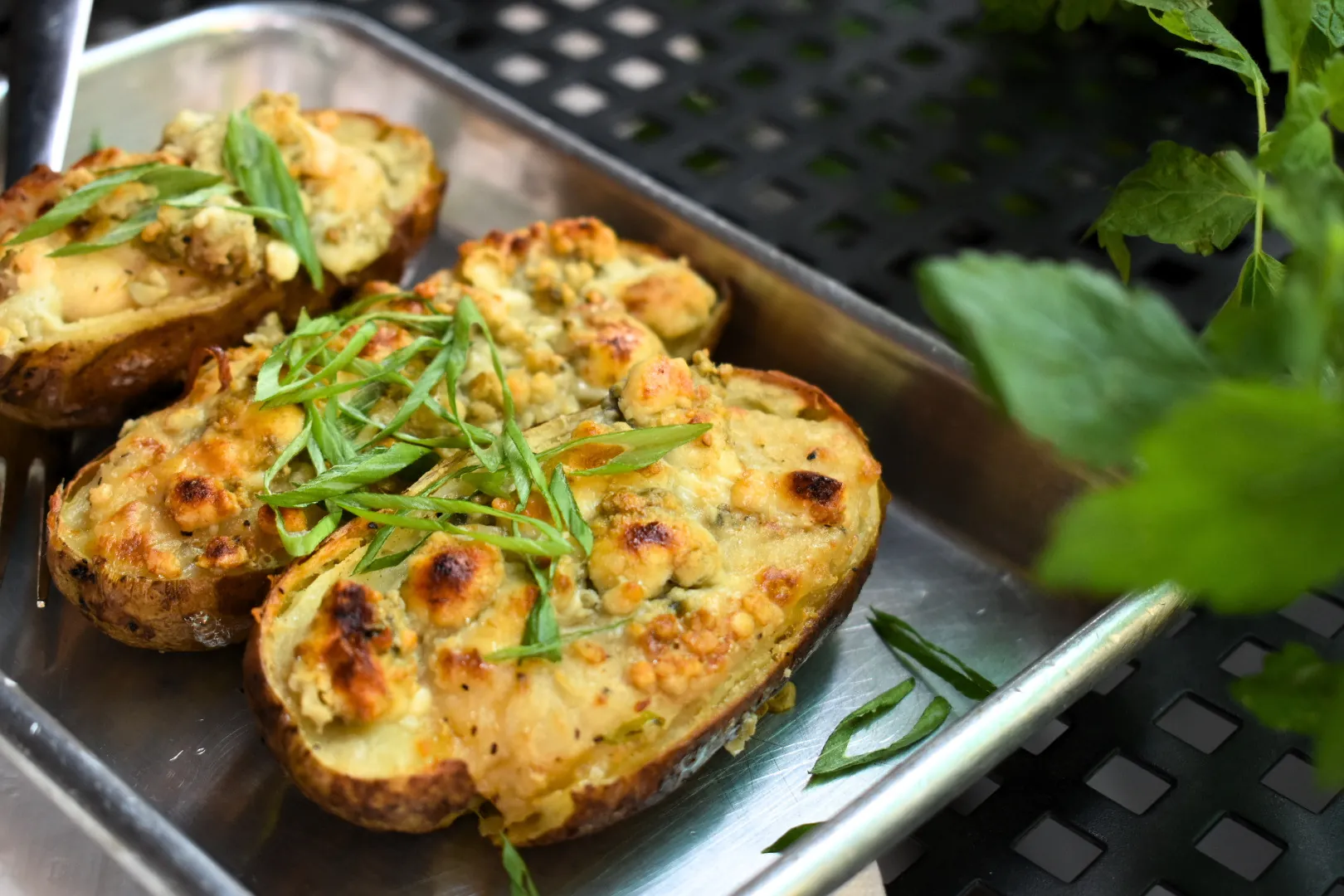
Cider’s acidity and bubbles can refresh the palate alongside rich, salty, or fried food, while fruitier styles can complement spicy dishes and cheese. The best match depends on the specific cider, so a server can help pair a pour with the meal you choose.
Keep planning
Related posts

Waynesboro guide
Breweries With Party Rooms: How to Choose One
What to look for in a brewery party room, from the guest count and food to privacy, timing, and an easy plan for every guest.→
Waynesboro guide
Brewery Games: Easy Ways to Make a Group Visit Fun
Plan a better brewery game day with low-pressure activities, a comfortable pace, and room for everyone to enjoy the visit.→Waynesboro guide
Brewery First Date: Plan a Relaxed First Date
Plan an easy brewery first date with the right timing, a comfortable table, real options for both people, and a clear ride-home plan.→
Waynesboro guide
