

Good beer tasting notes do not need to sound formal. They are simply a way to slow down long enough to notice what is in your glass, then leave yourself a useful clue for the next order. Maybe you discover that you like bright citrus aroma but not an intensely bitter finish, or that a dark beer can feel lighter than it looks. Those details make a tap list easier, not harder.
A flight is an especially good place to practice because you can compare a few pours without committing to a full glass. You do not need a special palate or a long list of beer terms. Start with a clean glass, take a few unhurried sips, and write what you actually notice. The simple method below works at a brewery, at home, or whenever you want to remember why one beer stood out.
Start with a simple five-part tasting note
The most useful tasting notes follow the path your senses naturally take: appearance, aroma, flavor, mouthfeel, and finish. The Beer Judge Certification Program’s tasting framework uses the same broad categories when training judges, because each gives you a different piece of the beer’s character. You are not judging a competition entry, though. You are building a record of what you enjoy.
Keep the first pass short. A line such as “clear gold, fresh lemon and cracker aroma, lightly bitter, fizzy, dry finish” is already useful. It tells you the beer’s visual impression, the first thing you smelled, the flavor direction, the texture, and whether the taste lingered. That is more memorable than writing only “good.”
When your words are broad, that is fine. “Fruity” can become peach, orange, mango, or berry when you taste a similar beer later. “Malty” can become bread, toast, biscuit, caramel, coffee, or chocolate. Your vocabulary grows from comparison, not from trying to memorize a flavor wheel before the first sip.
Look before you taste
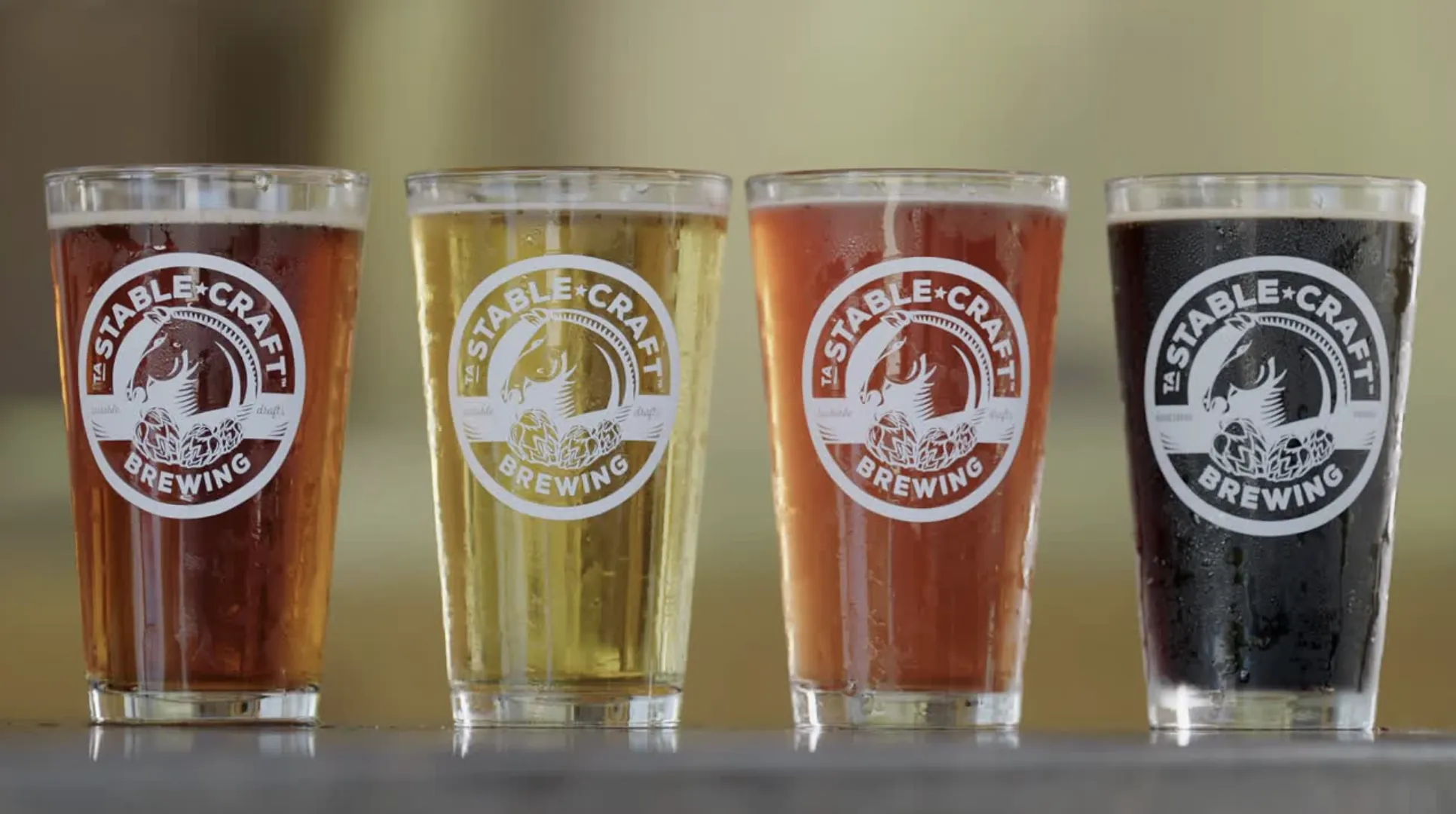
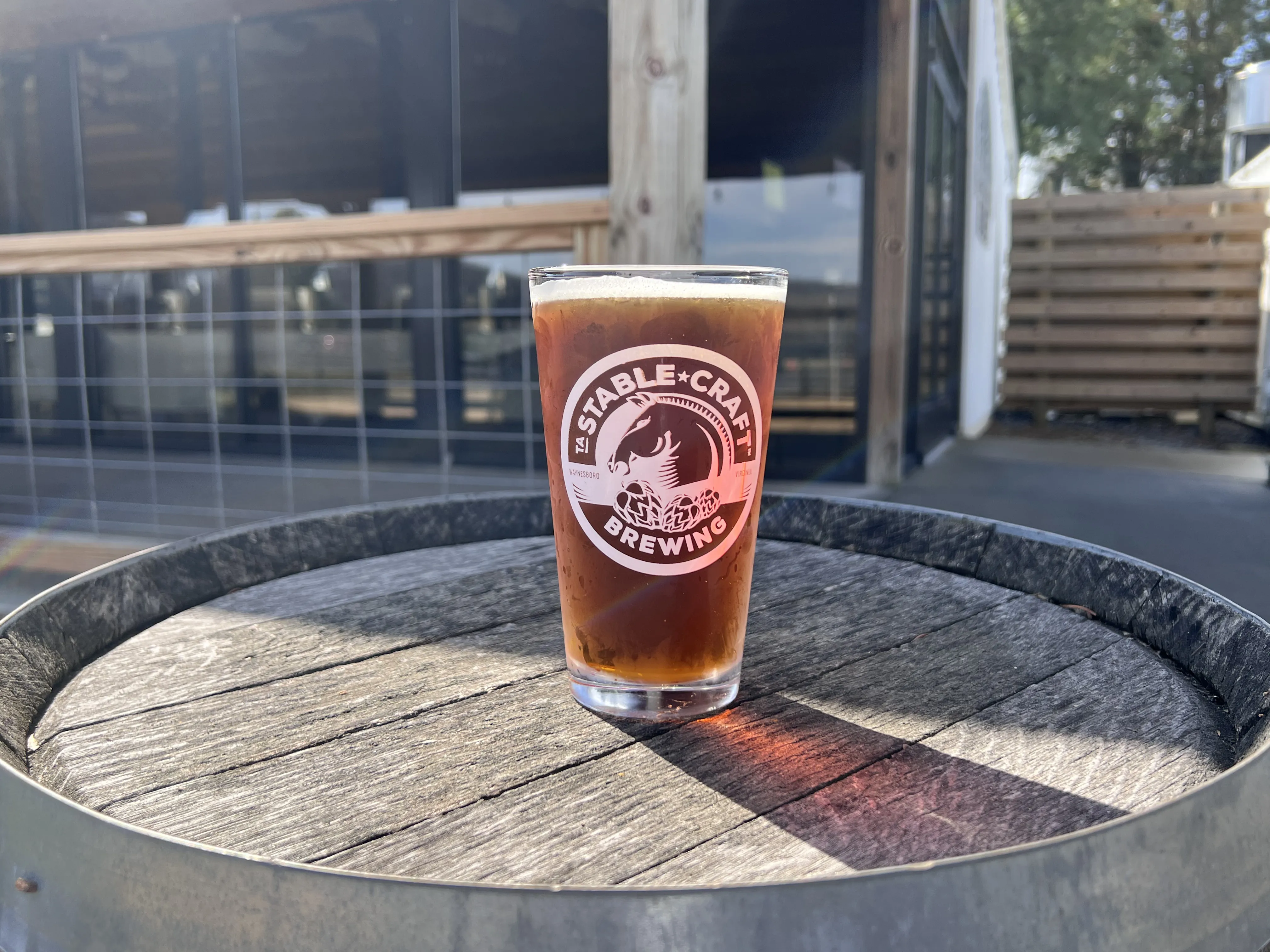
Appearance is not a scorecard. It is a useful first clue. Notice the color, whether the beer is clear or hazy, and the character of the foam. A pale lager may look straw-gold and bright. An amber beer may show copper or caramel tones. A stout can look nearly black with a tan head. Hazy beer can be intentionally cloudy, so haze is an observation, not a problem on its own.
Try writing one color word and one texture word. “Deep brown with a creamy tan head” or “bright gold, clear, with lively bubbles” gives you enough to recognize the pour later. Hold the glass toward natural light if you can, but do not worry about getting the shade exactly right. Your note is for you, not a lab report.
Appearance can also prepare your expectations. A pale, carbonated beer may suggest a crisp experience. A dark beer with a dense head may suggest roast, chocolate, or a fuller feel. Those are possibilities, not promises. The sip is where you find out what is actually there.
Smell first, then smell again
Aroma does a surprising amount of the work in flavor. The Brewers Association’s sensory guidance starts with the visual check, then asks tasters to take a quick initial smell followed by a longer sniff. Carbonation carries aromatic compounds out of the beer, so a gentle swirl can help, especially once the first coldness begins to lift.
Keep your nose just above the foam and take two short sniffs rather than one giant inhale. Ask a practical question: does it lean more toward grain and bread, fruit and citrus, flowers and herbs, coffee and chocolate, or something earthy and spicy? You do not have to identify a particular hop variety or ingredient. “Orange peel and fresh-cut grass” is plenty if that is what comes to mind.
If you smell very little at first, wait a minute. Beer straight from refrigeration can be quieter than the same beer a few minutes later. Take a sip, then return to the aroma. Your brain often recognizes more once taste has given it a direction. A clean, neutral aroma is a legitimate note, too.
Take a small sip and name the direction, not every ingredient
Let a small sip move across your mouth before swallowing. Notice the first flavor, then what becomes clearer in the middle, and finally what stays with you. You may notice sweetness, bitterness, acidity, saltiness, or savory depth, but most people will first recognize familiar associations: bread crust, citrus, berry, stone fruit, pine, caramel, cocoa, coffee, pepper, or ripe apple.
Start with contrast. Is the beer crisp or round? Dry or sweet? Bright or roasty? Bitter or soft? Those pairs help you get closer to a useful description. A citrusy pale ale might be “bright, bready, orange-like, and dry.” A stout could be “smooth, cocoa-like, lightly sweet, and roasted.” Neither note needs to be complicated to be accurate.
Do not force yourself to taste what a menu description says you should find. The menu is a helpful hint, not an answer key. If it says tropical fruit and you smell peach, write peach. If a beer is described as smooth but feels sharp to you, note that. Your response is the information that will help you order better next time.
Notice mouthfeel and the finish
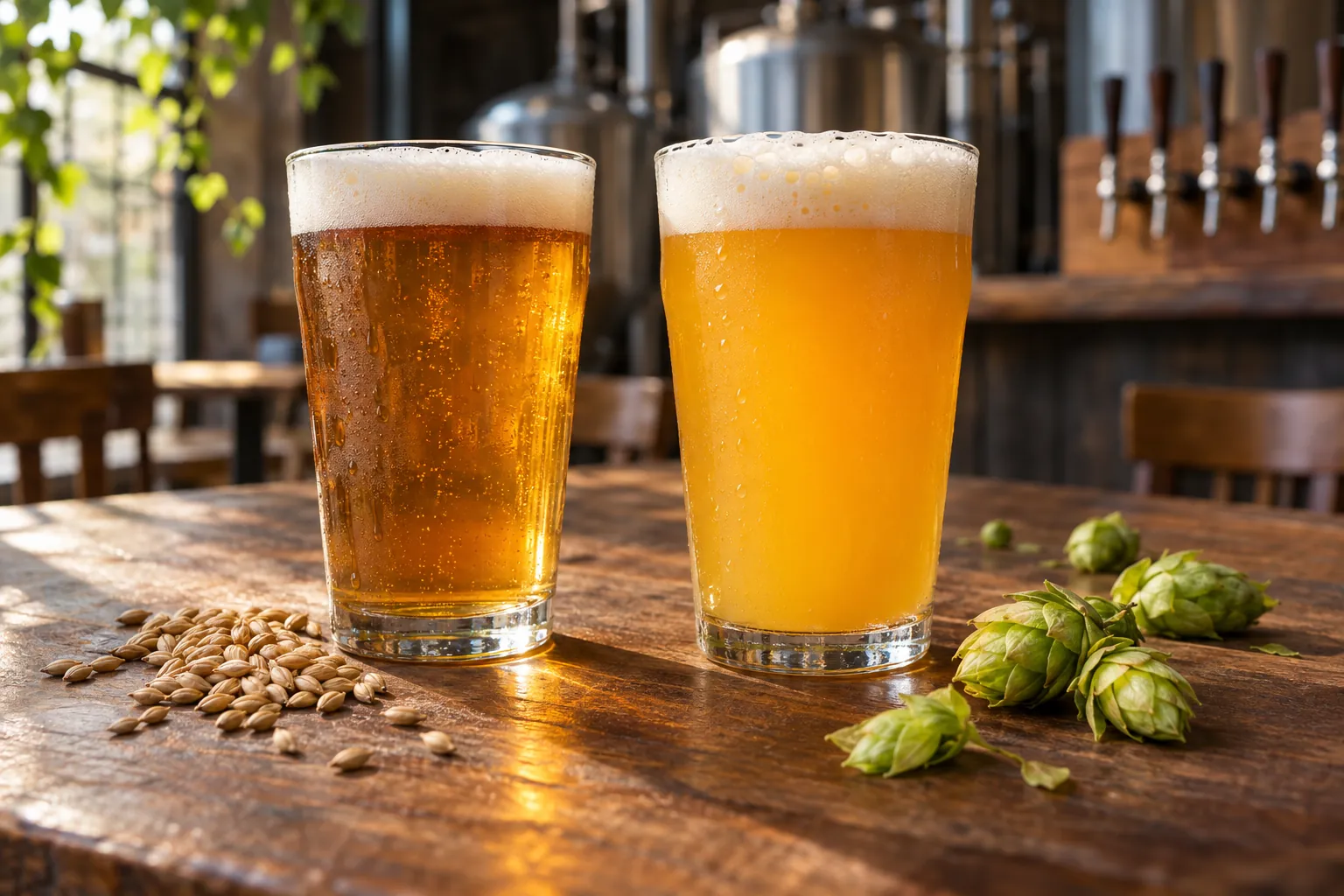
Mouthfeel is simply how the beer feels in your mouth. Think about body, carbonation, warmth, creaminess, dryness, and texture. A beer can be light-bodied and highly carbonated, full-bodied and smooth, soft and pillowy, or warming from alcohol. These sensations often explain why two beers with similar flavors feel completely different.
The finish is what remains after you swallow. Does the taste fade cleanly? Does bitterness linger? Does roast become more obvious? Does the beer leave a little sweetness, a dry snap, or a warming note? A finish can tell you whether you want another sip, another sample, or a glass of water before moving on.
The Brewers Association’s tasting method similarly treats aroma, flavor, mouthfeel, and aftertaste as separate observations. That separation is useful because “I liked it” becomes something you can act on: “I liked the lemon aroma and dry finish, but I would prefer less alcohol warmth.”

Use a flight to compare, not to rush
A tasting flight makes contrast easy to notice, but the order matters. Begin with the lightest or most delicate beer, then move toward darker, sweeter, hoppier, sourer, or stronger pours. A crisp lager or light ale can get lost after a big double IPA or a rich stout. Your beer tasting flight guide has a simple way to choose an order when the tap list is new to you.
Keep water close and take small bites of neutral food if you need a reset. Avoid perfume-heavy hand lotion or strongly flavored gum before a planned tasting. You are not trying to create a perfect professional setup. You are just giving each beer a fair chance before the next one arrives.
Compare one thing at a time. Which beer has the brighter aroma? Which feels fuller? Which has the driest finish? Which would work best with your meal? This is more useful than trying to rank every sample immediately. A beer may not be your favorite on its own and still be exactly right next to a burger, a salad, or a shared appetizer.

A simple tasting-note template to keep
Use this template in a notebook or on your phone: beer name and style, appearance, aroma, flavor, mouthfeel, finish, and whether you would order it again. Add a food pairing only if you actually tried one. The final question matters because it turns observation into a decision you can use later.
For example: “Pale ale. Clear amber. Orange and fresh bread. Citrus up front, lightly caramel-like middle. Medium-light and fizzy. Clean, gently bitter finish. Would order with a sandwich.” That is not a professional score. It is a personal reference that tells you what to seek out again.
After a few tastings, patterns emerge. You may learn that you love soft carbonation, toast-like malt, and dry finishes. Or you may find that bright, fruit-forward hop aroma is your reliable choice. That is the real value of tasting notes. They let the next tap-list decision begin with what you already know about your own taste.
Build your next tasting at Stable Craft
Stable Craft is a good place to turn curiosity into a relaxed plan. Check the current tap list before you visit, then tell the team what you have enjoyed in the past or what you want to avoid. A flight can help you compare a few styles, and food gives you an easy way to see how a beer changes alongside a meal.
If your group has different tastes, that is part of the fun. Beer, cider, food, and non-alcoholic choices mean everyone can settle into the same table without forcing one kind of order. Start with a few honest notes, choose a favorite, and let the next visit build on what you learned.
A quick beer tasting notes checklist
- Look: color, clarity, foam, and bubbles.
- Smell: grain, fruit, hops, roast, spice, or whatever you notice first.
- Taste: sweet, bitter, crisp, roasty, fruity, dry, or soft.
- Feel: light, full, fizzy, creamy, warming, or smooth.
- Finish: what stays after the sip, and whether you would order it again.
Frequently asked questions
What should I write in beer tasting notes?
Start with what you can honestly notice: the beer’s color, its aroma, the first flavors you taste, how it feels in your mouth, and what remains after the sip. A few specific words are more useful than trying to write like a professional judge.
Do I need to know beer styles to take tasting notes?
No. Knowing the style can give you useful context, but your notes are primarily about your own senses and preferences. A simple note such as ‘crisp, lightly bready, lemony, and dry’ is a good record even if you do not know the style name.
How many beers should I taste at once?
A small flight is plenty for a focused tasting. Start with lighter, lower-strength beers and move toward darker, sweeter, hoppier, or stronger pours. Drink water between samples and take your time.
What if I cannot name a flavor?
Use a broader description. ‘Fruity,’ ‘toasty,’ ‘citrusy,’ ‘roasty,’ ‘herbal,’ or simply ‘clean’ can all be useful. The goal is to remember what you liked, not to pass a vocabulary test.
Keep planning
Related posts

Brewery guide
Breweries With Party Rooms: How to Choose One
What to look for in a brewery party room, from the guest count and food to privacy, timing, and an easy plan for every guest.→
Brewery guide
Brewery Games: Easy Ways to Make a Group Visit Fun
Plan a better brewery game day with low-pressure activities, a comfortable pace, and room for everyone to enjoy the visit.→Brewery guide
Brewery First Date: Plan a Relaxed First Date
Plan an easy brewery first date with the right timing, a comfortable table, real options for both people, and a clear ride-home plan.→
Brewery guide
